
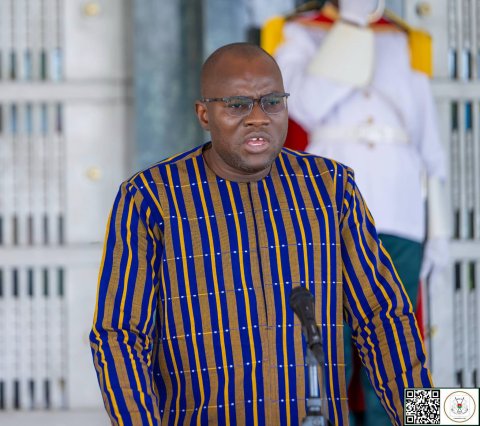
Burkina Faso: New Decrees Regulate NGO Budget Allocation, Status
The Council of Ministers in Burkina Faso, on September 24, 2026, adopted two decrees to regulate the conditions for obtaining NGO status, mandating that 80% of NGO budgets be allocated to direct investments.
These newly adopted decrees represent a significant tightening of the regulatory framework for Non-Governmental Organizations (NGOs) operating within Burkina Faso. The stated aim is to ensure that NGOs align with national priorities and that their financial contributions translate into tangible impact. Minister Aboubakar Nacanabo confirmed that these implementing texts formalize the process for officially attributing NGO status. Key provisions include the requirement for a mandatory framework agreement for Burkinabe-registered associations and a headquarters agreement for foreign entities. While a grace period is mentioned, its specific duration is not detailed in the excerpt. The most impactful stipulation is the requirement that a substantial 80% of an NGO's budget must be dedicated to "direct investments."
This regulatory shift holds considerable legal significance for the civil society sector. The 80% direct investment rule is particularly stringent and could necessitate a fundamental restructuring of operational models for many NGOs, especially those with significant administrative overheads, or those primarily focused on advocacy, research, or capacity-building rather than direct project implementation. While intended to enhance accountability and transparency, this measure may pose challenges for organizations whose work inherently involves substantial indirect costs. For legal practitioners, this means navigating a more demanding regulatory landscape for their NGO clients, advising on compliance strategies, and potentially assisting with organizational restructuring or re-registration processes.
The legal context for these decrees involves their status as secondary legislation, designed to implement or elaborate upon existing foundational laws governing associations and non-profit organizations in Burkina Faso. Such regulations typically aim to ensure national sovereignty over foreign entities and to align the activities of all NGOs with national development objectives. The requirement for framework and headquarters agreements is a common mechanism employed by states to formalize and oversee the presence of international actors. Minister Aboubakar Nacanabo is a key government official driving this regulatory reform.
Attorneys advising NGOs must immediately familiarize themselves with the full text of these new decrees and their comprehensive implications. They should guide their clients on how to achieve compliance with the 80% direct investment rule, which will likely involve a thorough review of existing budgets and operational expenditures. Furthermore, NGOs must ensure proper documentation for framework and headquarters agreements. The unspecified "grace period" is a critical detail that legal professionals and NGOs must monitor closely, as it will dictate the timeline for mandatory compliance. This regulatory development underscores a broader trend of increased governmental oversight and control over the civil society sector in many African nations.
How does this affect you?
Get an AI analysis of this article grounded in your jurisdictions, practice areas, and any policy documents you've uploaded to Wansom.
Finish Reading the Full Story and the Expert Analysis.
Get the latest legal & regulatory intelligence in Burkina Faso
Wansom is AI and can make mistakes.