
Burkina Faso: National Language Orthography Errors in Official Documents
Summary
- Official documents in Burkina Faso frequently misspell names from national languages due to transcription errors and French linguistic habits.
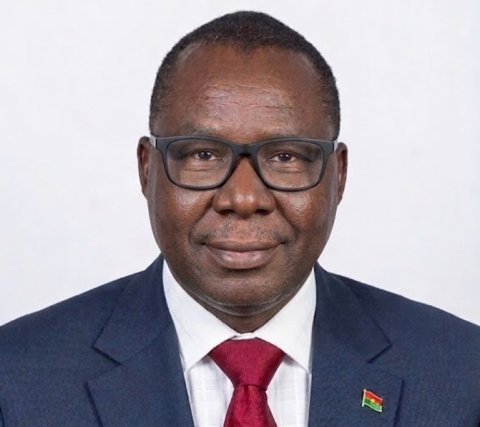
- Professor Mamadou Lamine Sanogo, a research director, has identified these issues and administrative procedural shortcomings.
- He proposes a simple linguistic validation mechanism to ensure correct orthography and preserve the integrity of Burkinabè languages.
- Accurate national language orthography is crucial for legal integrity, administrative reliability, and preventing potential legal ambiguities.
- The proposed mechanism aims to standardize spelling and respect Burkina Faso's linguistic diversity in official contexts.
The Challenge of National Language Orthography
The accurate transcription and spelling of national language names in official documents are not merely linguistic concerns; they carry significant implications for legal integrity and administrative reliability in Burkina Faso.
Official documents and various materials in Burkina Faso frequently contain inaccuracies in the spelling of names derived from national languages. This issue, highlighted by Professor Mamadou Lamine Sanogo, a distinguished research director, points to a systemic problem where the correct orthography of indigenous terms is not consistently maintained. The prevalence of these errors undermines efforts to properly integrate and respect the country's diverse linguistic heritage within formal administrative processes.
Professor Sanogo's observations reveal that these Burkinabè language transcription errors stem from several interconnected factors. A significant contributor is the persistent influence of linguistic habits inherited from French, which often dictates the transcription rules even when applied to indigenous phonetics. Furthermore, the existing administrative procedures are deemed insufficient to adequately address and prevent these orthographic discrepancies, leading to a proliferation of incorrectly spelled names across official records and public-facing materials. This situation necessitates a re-evaluation of current practices to ensure the accurate representation of national languages.
Expert Recommendation for Linguistic Validation
To counteract the widespread issue of incorrect spelling and to bolster the integrity of Burkinabè languages, Professor Mamadou Lamine Sanogo advocates for the establishment of a straightforward linguistic validation mechanism. This proposed system aims to provide a reliable method for verifying the correct orthography of names and terms originating from national languages before they are incorporated into official documents.
The implementation of such a mechanism is envisioned as a crucial step towards standardizing the official document indigenous language spelling in Burkina Faso. By introducing a clear and accessible validation process, the country can ensure that administrative bodies and public institutions adhere to accurate linguistic standards. This initiative is designed to overcome the current procedural shortcomings and habits influenced by French, thereby safeguarding the authenticity and proper representation of the nation's linguistic diversity.
Why Accurate Orthography Matters for Legal Integrity
The accurate transcription and spelling of national language names in official documents are not merely linguistic concerns; they carry significant implications for legal integrity and administrative reliability in Burkina Faso. Errors in orthography can lead to confusion, misidentification, and potential legal or administrative disputes, particularly when dealing with personal names, place names, or other proper nouns in legal instruments, identity documents, and public records. The consistent and correct application of Burkina Faso national language orthography in official documents is fundamental to maintaining trust in governmental processes and ensuring clarity in all formal communications.
Preserving the legal integrity of national languages in Burkina Faso is paramount for the effective functioning of its administrative and judicial systems. The valorization of national languages, as emphasized by Professor Sanogo, extends beyond their spoken use to their written form in official contexts. A robust linguistic validation mechanism would therefore serve as a critical safeguard, ensuring that the rich linguistic heritage of Burkina Faso is accurately reflected and respected in all official capacities, thereby preventing potential legal ambiguities arising from transcription errors and promoting a more inclusive and precise administrative environment.
Practical Implications
Lawyers and compliance officers in Burkina Faso should be aware of the potential for legal or administrative issues stemming from incorrect orthography of national language names in official documents. They should monitor for the implementation of new linguistic validation mechanisms, which could impact document drafting, review processes, and the legal accuracy of proper nouns in official records.
Source
How does this affect you?
Get an AI analysis of this article grounded in your jurisdictions, practice areas, and any policy documents you've uploaded to Wansom.
Finish Reading the Full Story and the Expert Analysis.
Get the latest legal & regulatory intelligence in Burkina Faso
Wansom is AI and can make mistakes.