
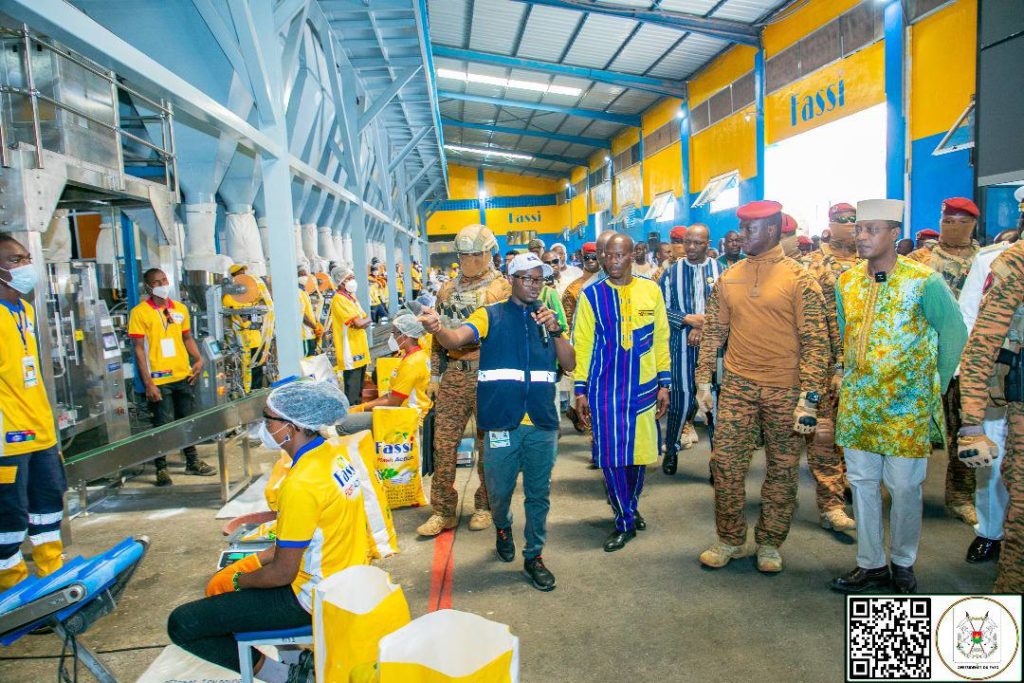
Burkina Faso: New Import Regulation Targets Detergents
Summary
- Burkina Faso's government adopted a decree on October 8, 2026, to reinforce import regulations.
- The decree updates the list of products requiring Special Import Authorization (ASI) and Special Export Authorization (ASE).
- Specific products affected by the new Burkina Faso ASI ASE decree include detergents, soaps, and bleach.
- The measure aims to support and protect local industries within Burkina Faso.
- Businesses involved in trade must comply with the new ASI/ASE requirements to avoid disruptions and penalties.
What Happened
Lawyers must guide their clients through the intricacies of the new decree to ensure full adherence to the updated import and export protocols.
The government of Burkina Faso has recently moved to strengthen its oversight of imported goods, a measure specifically designed to bolster domestic industrial capabilities. This significant policy shift was formalized during a Council of Ministers meeting held on Thursday, October 8, 2026. At this session, a new decree received approval, marking a pivotal development in the nation's trade policy.
This newly adopted decree is set to revise the existing framework for trade, specifically by updating the roster of products that necessitate a Special Import Authorization (ASI) and a Special Export Authorization (ASE). The government's stated intention behind this regulatory enhancement is to create a more favorable environment for local manufacturers, thereby contributing to the protection and growth of the national economy. This action underscores a strategic effort by Burkina Faso to regulate imports, particularly concerning items like detergents, to support its internal market.
Updated Regulatory Framework
The core of the recent governmental action lies in the modification of the requirements for obtaining an Autorisation spéciale d’importation (ASI) and a Special Export Authorization (ASE). These authorizations are now mandated for an expanded list of goods, signaling a more controlled approach to the flow of specific products across Burkina Faso's borders. The decree specifically targets categories such as detergents, various types of soaps, and bleach, indicating a focused effort on these particular segments of the consumer goods market.
Businesses engaged in the trade of these items must now navigate the updated procedures for securing the necessary permits. The implementation of these Burkina Faso import restrictions on soap and bleach, among other products, reflects a deliberate policy choice to manage market access. This regulatory adjustment is expected to have a direct impact on supply chains and market dynamics for the affected commodities within the country.
Strategic Economic Objectives
The primary driver behind the Burkina Faso government's decision to tighten import regulations is a clear commitment to fostering and safeguarding its local industries. By requiring special authorizations for certain imports, the state aims to reduce the competitive pressure from foreign-produced goods on domestic manufacturers. This strategy is intended to provide local businesses with a more secure market share, encouraging investment and expansion within Burkina Faso.
This initiative forms part of a broader economic agenda focused on self-sufficiency and the development of national production capacities. The protection of local industries is seen as crucial for job creation, economic diversification, and long-term stability. The decree, therefore, serves as a protective mechanism, designed to give indigenous companies a competitive edge in sectors deemed vital for national economic growth, reinforcing Burkina Faso local industry protection.
Legal and Commercial Implications
For legal professionals advising clients involved in commerce or manufacturing within Burkina Faso, the implications of this new decree are substantial. It is imperative for businesses, particularly those dealing with detergents, soaps, and bleach, to thoroughly review the updated Special Import Authorization (ASI) and Special Export Authorization (ASE) requirements. Non-compliance with these revised regulations could lead to significant operational disruptions, including delays in shipments, seizure of goods, or the imposition of penalties.
Lawyers must guide their clients through the intricacies of the new decree to ensure full adherence to the updated import and export protocols. Understanding the precise scope of the Autorisation spéciale d’importation Burkina Faso and the associated procedures is critical for maintaining smooth trade operations and avoiding potential legal challenges. This regulatory shift necessitates a proactive approach from all stakeholders to adapt to the evolving trade landscape and ensure business continuity.
Practical Implications
Lawyers advising clients on trade or manufacturing in Burkina Faso must review the new decree to understand updated Special Import Authorization (ASI) and Special Export Authorization (ASE) requirements for products like detergents, soaps, and bleach, ensuring compliance to avoid disruptions or penalties.
Source
How does this affect you?
Get an AI analysis of this article grounded in your jurisdictions, practice areas, and any policy documents you've uploaded to Wansom.
Finish Reading the Full Story and the Expert Analysis.
Get the latest legal & regulatory intelligence in Burkina Faso
Wansom is AI and can make mistakes.