
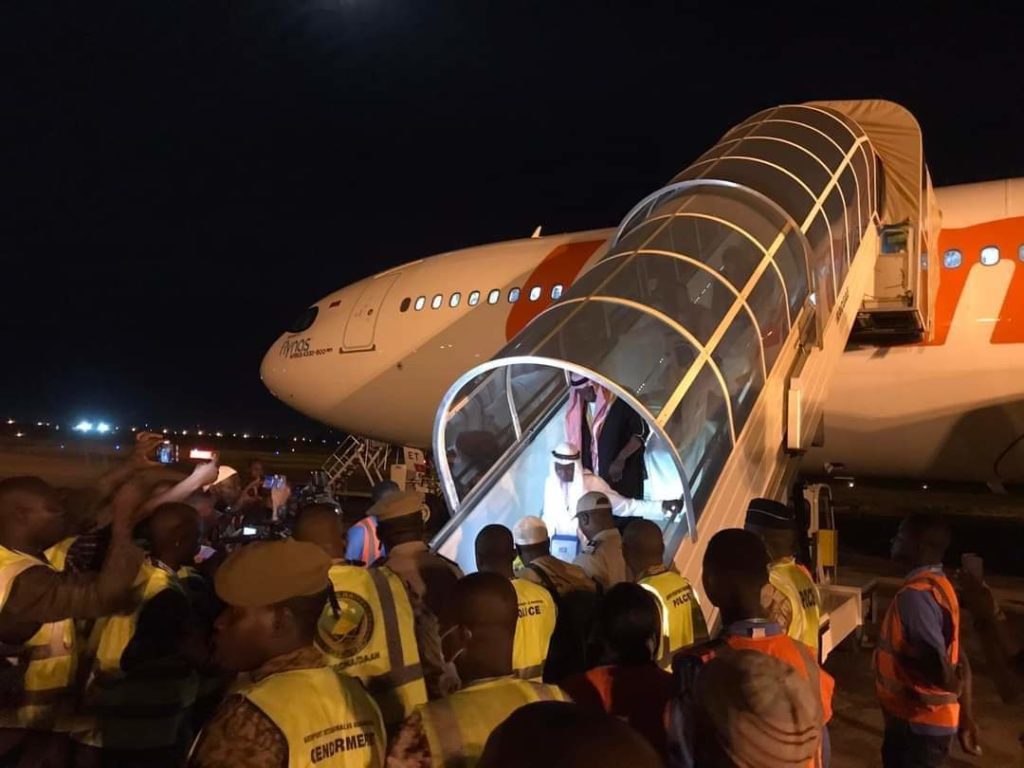
Burkina Faso Government Sets Hajj 2027 Cost at 3.63 Million FCFA
In Burkina Faso, on November 3, 2026, the Minister of State, Minister of Territorial Administration and Mobility, Émile Zerbo, officially announced that the cost for the 2027 Hajj pilgrimage has been set at 3,630,000 FCFA.
This announcement, while seemingly administrative, carries significant implications for religious freedom, economic planning for citizens, and the government's role in regulating religious activities within Burkina Faso. It directly impacts thousands of Burkinabè Muslims who plan to undertake the sacred journey to Mecca, requiring them to budget and prepare financially according to this officially sanctioned figure. For businesses involved in travel, logistics, and financial services related to the Hajj, this fixed price provides a clear benchmark for their operations and service offerings, influencing their pricing strategies and competitive landscape. It also underscores the state's commitment to facilitating religious observance while ensuring transparency and preventing potential exploitation of pilgrims.
The regulation of religious pilgrimages, particularly the Hajj, often falls under the purview of government ministries responsible for religious affairs, territorial administration, or even foreign affairs, given the international nature of the journey. In many West African nations, including Burkina Faso, the state plays a crucial role in organizing and overseeing the Hajj to ensure the safety, welfare, and fair treatment of its citizens. This involves negotiating with Saudi authorities, coordinating travel logistics, and, as seen here, setting official costs to prevent exploitation and ensure accessibility. While specific statutes are not explicitly mentioned in the excerpt, such actions are typically underpinned by decrees or ministerial orders derived from broader administrative law principles that grant the state authority to regulate public services and protect its citizens' interests, including their right to religious practice. The involvement of the Minister of Territorial Administration and Mobility suggests a coordinated governmental approach to this complex logistical and spiritual undertaking.
The primary party involved in this development is the government of Burkina Faso, specifically represented by the Minister of State, Minister of Territorial Administration and Mobility, Émile Zerbo, who made the official announcement. The decision directly affects Burkinabè citizens intending to perform the Hajj in 2027, as well as various private sector entities such as travel agencies, airlines, and financial institutions that facilitate the pilgrimage. The outcome of this matter is the official fixing of the Hajj cost; no further ruling or dispute is reported.
Attorneys advising travel agencies, financial institutions, or religious organizations in Burkina Faso should closely monitor official government communications regarding the Hajj, particularly any subsequent decrees or regulations that might elaborate on payment mechanisms, registration procedures, or potential subsidies. Businesses must ensure their service offerings and pricing structures strictly align with the officially set cost to avoid regulatory scrutiny or accusations of price gouging. Furthermore, legal professionals should be prepared to advise individuals on their rights and obligations concerning pilgrimage arrangements, especially regarding consumer protection and contractual agreements with service providers, given the significant financial outlay involved in the Hajj.
How does this affect you?
Get an AI analysis of this article grounded in your jurisdictions, practice areas, and any policy documents you've uploaded to Wansom.
Wansom is AI and can make mistakes.