
Burkina Faso: Conseil des Ministres Déclare Fin Laisser-Faire ONG
Summary
- Burkina Faso's Council of Ministers met on September 24, 2026, chaired by President Ibrahim TRAORÉ.
- The government officially recognized 315 Martyrs and 10 Invalids of the Nation.
- A significant policy shift was announced, ending the 'laisser-faire' approach for associations and NGOs.
- This signals an imminent tightening of regulatory oversight for non-governmental organizations in Burkina Faso.
Government Convenes for Key Decisions
The government's clear statement on the Burkina Faso fin laisser-faire ONG signals a new era of accountability and structured engagement for all non-state actors.
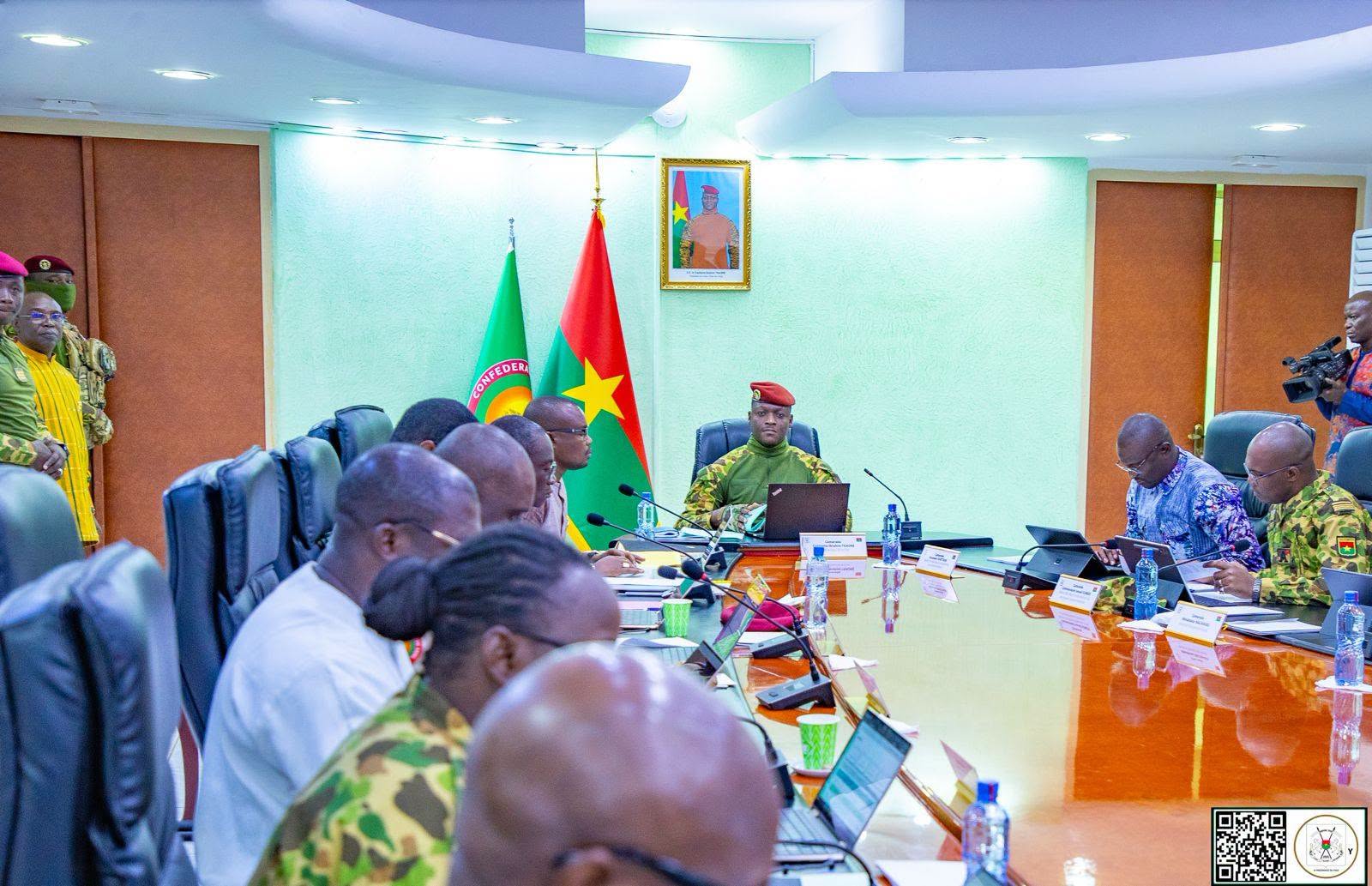
The Council of Ministers in Burkina Faso convened on Thursday, September 24, 2026, under the leadership of Comrade Captain Ibrahim TRAORÉ, who serves as both President of Faso and Head of State. This significant gathering addressed a range of critical national dossiers, culminating in several important decisions aimed at fostering the comprehensive development of the Burkinabè populace, aligning with the ongoing dynamic of the Revolution.
Minister Spokesperson of the Government, Pingdwendé Gilbert OUÉDRAOGO, communicated the outcomes of the session. Among the pivotal resolutions, the Council officially recognized the status of 315 individuals as Martyrs of the Nation and 10 others as Invalids of the Nation, a move underscoring national remembrance and honor. Concurrently, the government signaled a definitive shift in its approach to the oversight of non-governmental organizations (NGOs) and associations, declaring an end to what it termed a 'laisser-faire' policy.
New Era for NGO Regulation in Burkina Faso
The announcement regarding the cessation of a 'laisser-faire' approach marks a significant turning point for the operational landscape of NGOs and associations within Burkina Faso. This declaration from the BF Conseil des Ministres ONG indicates an imminent tightening of regulatory oversight, moving away from previous, more permissive frameworks. Organizations operating in the country should anticipate the introduction of new compliance requirements and a more structured environment for their activities, reflecting the government's intention to exert greater control over the sector.
This policy shift, articulated in late 2026, suggests that the Burkina Faso réglementation associations 2026 will likely evolve to include more stringent guidelines. While specific details of the forthcoming Nouvelles règles associations Burkina Faso were not immediately disclosed, the government's stance implies a comprehensive review of existing statutes and potentially the promulgation of a new Décret associations Burkina Faso. Legal counsel for these entities must proactively review their current operational frameworks, governance standards, and reporting mechanisms to prepare for potential changes and ensure future adherence to the anticipated stricter regime. The government's clear statement on the Burkina Faso fin laisser-faire ONG signals a new era of accountability and structured engagement for all non-state actors.
Implications for Operational Compliance
The declared end to the 'laisser-faire' policy for non-governmental organizations and associations in Burkina Faso carries substantial implications for their legal and operational compliance. This shift in the Régulation organisations non gouvernementales BF environment will necessitate a thorough re-evaluation of internal policies and procedures by all affected entities. Organizations should prepare for potential changes in registration requirements, financial reporting standards, and programmatic oversight, which could impact their ability to operate without interruption.
Anticipating these changes is crucial for maintaining operational continuity and avoiding potential penalties. The government's move suggests a desire for greater transparency and alignment of NGO activities with national development objectives, as defined within the dynamic of the Revolution. Therefore, a proactive approach to understanding and adapting to the evolving regulatory landscape will be paramount for associations and NGOs seeking to continue their work effectively in Burkina Faso.
Practical Implications
This signals an imminent tightening of regulatory oversight for NGOs and associations operating in Burkina Faso. Legal counsel for these entities must anticipate new compliance requirements, review their operational frameworks, and prepare for potential changes in reporting or governance standards to avoid penalties.
Source
Source: Original reporting via {source}
How does this affect you?
Get an AI analysis of this article grounded in your jurisdictions, practice areas, and any policy documents you've uploaded to Wansom.
Finish Reading the Full Story and the Expert Analysis.
Get the latest legal & regulatory intelligence in Burkina Faso
Wansom is AI and can make mistakes.