
Burkina Faso Customs: Massive Tapentadol Seizure in Clinker Cargo
Summary
- Burkina Faso customs seized 150,000 Tapentadol tablets on October 14, 2026.
- The illicit pharmaceuticals were valued at over 295 million CFA francs.
- The drugs were concealed under a cargo of clinker.
- A fraudster and a truck driver were implicated in the smuggling attempt.
- This operation represents a significant blow against pharmaceutical trafficking in Burkina Faso.
The Seizure Event
The estimated street value of this substantial consignment exceeded 295 million CFA francs, highlighting the lucrative nature of pharmaceuticals smuggling Burkina Faso.
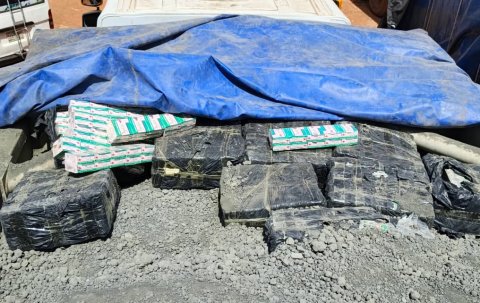
Burkina Faso customs authorities, officially known as the douane burkinabè, publicly announced a significant Tapentadol seizure on Wednesday, October 14, 2026. This successful operation resulted in the interception of a massive quantity of illicit pharmaceuticals: 150,000 tablets of Tapentadol. These tablets were meticulously organized into 15,000 individual blister packs, indicating a well-prepared smuggling attempt. The estimated street value of this substantial consignment exceeded 295 million CFA francs, highlighting the lucrative nature of pharmaceuticals smuggling Burkina Faso.
The contraband was discovered ingeniously hidden beneath a legitimate clinker cargo, a common bulk material, suggesting a deliberate effort to evade detection. Customs officials confirmed that this intricate smuggling scheme was orchestrated by a principal fraudster, who acted in direct complicity with a truck driver. The driver's involvement was crucial in facilitating the transportation and concealment of the illegal drugs, making their apprehension a key part of disrupting the network. This incident marks another instance where the douane burkinabè has successfully foiled the plans of those engaged in illicit trade.
Regulatory and Enforcement Landscape
This recent Burkina Faso customs Tapentadol seizure underscores the ongoing commitment of the nation's customs service to combat Burkina Faso drug trafficking. The douane burkinabè operates under a mandate to protect the country's borders from the entry of all illegal goods, with a particular focus on controlled substances like Tapentadol. Such pharmaceuticals, when diverted from regulated supply chains, pose severe public health risks, contributing to addiction and other societal problems, and are often a significant source of funding for organized crime.
The interception of such a large quantity of Tapentadol highlights the persistent efforts required to detect and dismantle networks involved in the Tapentadol illicit trade BF. Customs operations are not merely about confiscating goods; they are integral to disrupting the logistical and financial infrastructure that supports criminal enterprises. The successful thwarting of this sophisticated smuggling attempt, which involved clinker cargo drug concealment, demonstrates the effectiveness of current enforcement strategies and the vigilance of customs personnel in identifying and countering evolving smuggling tactics.
Broader Implications
The confiscation of pharmaceuticals valued at over 295 million CFA francs carries substantial implications beyond the immediate operational success. For the criminal elements engaged in pharmaceuticals smuggling Burkina Faso, this represents a significant financial blow, directly impacting their illicit profits and potentially hindering future operations. More importantly, preventing these 150,000 tablets from reaching the black market safeguards countless individuals from the dangers associated with unregulated and potentially counterfeit drug consumption.
Such large-scale Tapentadol illicit trade BF activities are often indicative of well-organized criminal syndicates with international connections. The consistent efforts of the douane burkinabè in making these types of seizures are therefore crucial for national security, public health, and maintaining the rule of law. This incident serves as a powerful reminder of the relentless battle against Burkina Faso drug trafficking and the necessity for continuous vigilance against the innovative and often deceptive methods employed by smugglers, including the use of seemingly innocuous clinker cargo to mask their illegal goods. The authorities remain committed to disrupting these illicit supply chains.
Practical Implications
Lawyers and compliance officers advising logistics, import/export, or pharmaceutical companies operating in Burkina Faso should review their clients' supply chain due diligence and internal controls to mitigate risks of complicity in illicit trade and avoid severe penalties under customs and anti-trafficking laws.
Source
How does this affect you?
Get an AI analysis of this article grounded in your jurisdictions, practice areas, and any policy documents you've uploaded to Wansom.
Finish Reading the Full Story and the Expert Analysis.
Get the latest legal & regulatory intelligence in Burkina Faso
Wansom is AI and can make mistakes.