
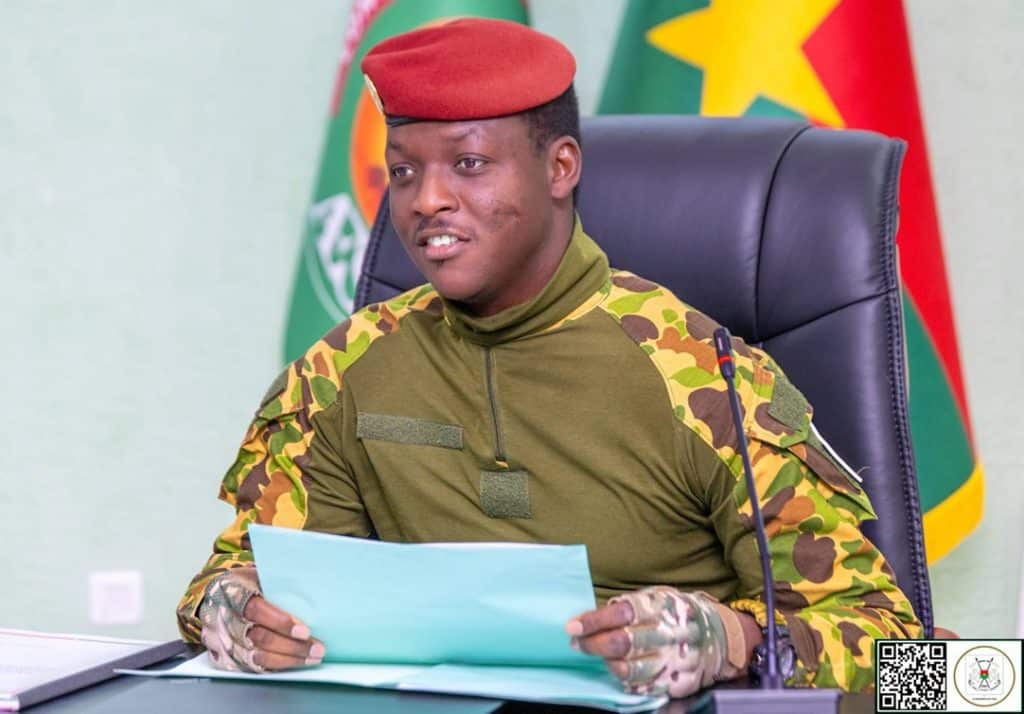
Burkina Faso Conseil Ministres 5 Novembre 2026: Traoré Holds Key Session
Summary
- Burkina Faso's Council of Ministers held an ordinary session in Ouagadougou on Thursday, November 5, 2026.
- The meeting, which lasted from 9:00 AM to 1:30 PM, was presided over by Comrade Captain Ibrahim Traoré.
- Captain Traoré holds the titles of President of Faso and President of the Council of Ministers.
- During the session, the cabinet deliberated on various items listed on its official agenda.
- These regular meetings are crucial for national governance and collective decision-making in Burkina Faso.
What Happened
His direct involvement at the helm of these sessions signifies the ultimate authority and profound responsibility vested in the head of state for steering the country's strategic direction and ensuring governmental cohesion.
On Thursday, November 5, 2026, the Council of Ministers in Burkina Faso convened for an ordinary session, a regular fixture in the nation's governance calendar. The meeting took place in the capital city, Ouagadougou, underscoring its central role in national administration. Proceedings commenced promptly at 9:00 AM and extended through the morning, concluding at 1:30 PM, indicating a substantial four-and-a-half-hour period dedicated to governmental affairs. This particular "Burkina Faso Conseil Ministres 5 novembre 2026" was notably presided over by Comrade Captain Ibrahim Traoré, who holds the dual and significant responsibilities of President of Faso and President of the Council of Ministers.
During this session, the cabinet meticulously addressed the various dossiers and items that had been placed on its official agenda. The deliberations are a standard part of the executive process, where ministers review proposals, discuss national strategies, and work towards collective decisions on matters of state. While the specific outcomes of these discussions are not detailed in the initial report, the act of deliberating on a set agenda confirms the ongoing operational rhythm of the government in managing the country's affairs.
The Role of the Council
The Council of Ministers functions as the principal executive body within Burkina Faso's governmental structure, tasked with the crucial responsibility of formulating and executing national policies. Its regular sessions are indispensable for ensuring the effective oversight of various government ministries and departments, thereby guaranteeing the continuous functioning of state institutions. Meetings like the one held on November 5, 2026, are fundamental for facilitating collective decision-making processes and for addressing the myriad of pressing national issues that arise. These gatherings provide a vital forum where ministers can present their respective proposals, engage in strategic debates, and ultimately forge a unified governmental stance on critical matters.
The customary "Compte rendu Conseil des ministres BF" serves as an official communication mechanism, designed to inform the public about the government's actions, decisions, and overarching priorities. Although the specific details of the discussions from this particular session remain undisclosed in the initial account, the very act of the Council deliberating on its established agenda signifies a structured and methodical approach to governance. This commitment aims to propel the nation's interests forward through coordinated executive action, reinforcing the foundational role these assemblies play in the operational framework of the Burkina Faso government. Such consistent engagement is key to maintaining stability and progress.
Leadership and Governance in Ouagadougou
The prominent role of Captain Ibrahim Traoré as the presiding officer of the Council of Ministers highlights the centralized nature of executive authority within Burkina Faso. In his capacity as President of Faso, his leadership during the "Ibrahim Traoré cabinet meeting 2026" is of paramount importance, as he guides the discussions and ensures that all decisions align with the broader national vision and strategic objectives. His direct involvement at the helm of these sessions signifies the ultimate authority and profound responsibility vested in the head of state for steering the country's strategic direction and ensuring governmental cohesion.
The consistent convening of the "Conseil des ministres Ouagadougou 2026" further emphasizes the capital city's enduring status as the administrative and political nerve center of the nation. These meetings transcend mere procedural formalities; they represent critical junctures where the collective will and strategic intent of the government are meticulously translated into actionable plans. These plans, in turn, have far-reaching implications, influencing every sector from national security and defense to economic development and social welfare. The adherence to a regular schedule for these ordinary sessions reflects a steadfast commitment to structured and accountable governance, even in the face of evolving national and regional challenges.
Practical Implications
This article is a generic report of a Council of Ministers meeting and does not contain specific details about new laws, regulations, or policy changes. Therefore, it has no direct actionable legal implication for lawyers or compliance officers at this stage.
Source
How does this affect you?
Get an AI analysis of this article grounded in your jurisdictions, practice areas, and any policy documents you've uploaded to Wansom.
Wansom is AI and can make mistakes.