
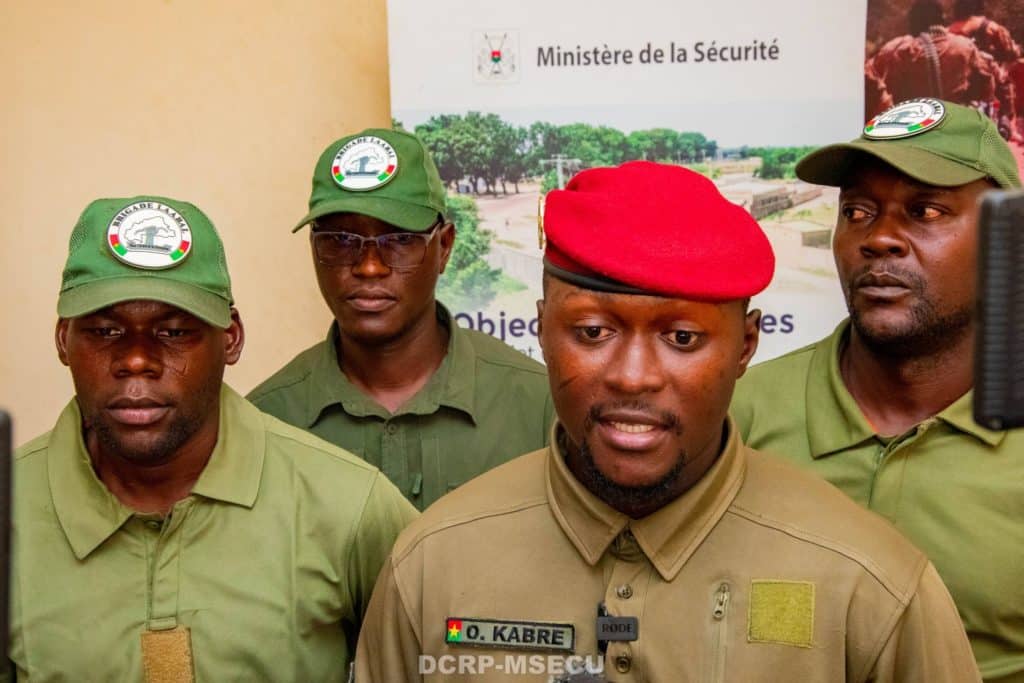
Burkina Faso: Ministre Sécurité Warns on Carte Laabal Racket Routier
Summary
- The Ministry of Security in Burkina Faso issued a warning on October 29, 2026, regarding alleged abuses of the "Carte Laabal."
- Minister Mahamadou Sana urged road users to systematically demand the "Carte Laabal" during traffic stops.
- The "Carte Laabal" was established to facilitate the official payment of fines for road traffic offenses.
- This directive aims to combat "racket routier" and ensure transparent processing of road violation penalties.
Official Warning Issued
Minister Mahamadou Sana's recent avertissement specifically targets the issue of "racket routier," or roadside extortion, by instructing citizens to exiger carte Laabal contrôles.
The Ministry of Security in Burkina Faso has recently issued a significant warning concerning the proper application of the "Carte Laabal" system, a mechanism designed to streamline the payment of penalties for road traffic infractions. This official communication, dated October 29, 2026, directly addresses concerns over alleged irregularities in the card's usage. The directive comes from Minister Mahamadou Sana, who explicitly urged all road users to consistently request the presentation of this card during any roadside inspections.
This proactive stance by the Ministre Sécurité Burkina Faso underscores a commitment to ensuring transparency and adherence to established procedures within the nation's road enforcement framework. The warning serves as a critical reminder to both officials and the public about the intended function of the Carte Laabal Burkina Faso racket routier prevention tool. It highlights the government's awareness of potential misuse and its efforts to counteract such practices.
Understanding the "Carte Laabal" System
The "Carte Laabal" was specifically introduced to simplify the process of paiement amendes routières Laabal, making it easier for individuals to settle fines incurred due to various infractions routières Burkina Faso. Its establishment aimed to create a standardized and transparent method for managing these financial penalties, thereby reducing opportunities for corruption or unofficial demands. The system is a cornerstone of the country's efforts to modernize its traffic enforcement and revenue collection.
By institutionalizing this card, the authorities sought to provide a clear, traceable method for transactions related to road violations. This initiative was intended to replace less formal or potentially exploitative practices, ensuring that all payments are officially recorded and accounted for. The card's role is therefore central to maintaining integrity in the enforcement of traffic laws across Burkina Faso.
Combating Roadside Extortion
Minister Mahamadou Sana's recent avertissement specifically targets the issue of "racket routier," or roadside extortion, by instructing citizens to exiger carte Laabal contrôles. This directive empowers drivers and other road users to insist on the correct procedure for fine collection, thereby challenging any attempts by officials to demand payments outside of the established "Carte Laabal" framework. The Ministry's communication implicitly acknowledges that such illicit practices may be occurring and provides a clear mechanism for citizens to protect themselves.
The emphasis on systematically demanding the card during checks is a direct measure against unauthorized financial requests. It places the responsibility on the individual to ensure that any fine payment is processed through the official system, reinforcing the integrity of the Carte Laabal Burkina Faso racket routier prevention initiative. This move is crucial for fostering public trust in law enforcement and ensuring that fines contribute to public coffers rather than private pockets.
Implications for Road Users and Enforcement
The Ministry of Security's clear guidance has significant implications for both the public and law enforcement personnel. For road users, it provides a definitive right to demand proper procedure, offering a defense against arbitrary demands and contributing to a fairer system of traffic enforcement. This strengthens the position of individuals facing roadside checks, giving them a concrete tool to ensure compliance with official regulations regarding paiement amendes routières Laabal.
Furthermore, this official stance reinforces the government's commitment to upholding the rule of law and combating corruption within its ranks. It sends a strong message to officials that adherence to the "Carte Laabal" protocol is mandatory and that any deviation will be considered a serious breach. The systematic use of the "Carte Laabal" is not merely a convenience but a fundamental aspect of transparent governance in managing infractions routières Burkina Faso.
Practical Implications
Lawyers advising clients on road transport or individual compliance in Burkina Faso should inform them about the proper use of the 'Carte Laabal' for road fines. Clients should be advised to insist on the use of this card during road checks to avoid illegal demands or 'racket routier', and to report any non-compliance by officials.
Source
How does this affect you?
Get an AI analysis of this article grounded in your jurisdictions, practice areas, and any policy documents you've uploaded to Wansom.
Finish Reading the Full Story and the Expert Analysis.
Wansom is AI and can make mistakes.