
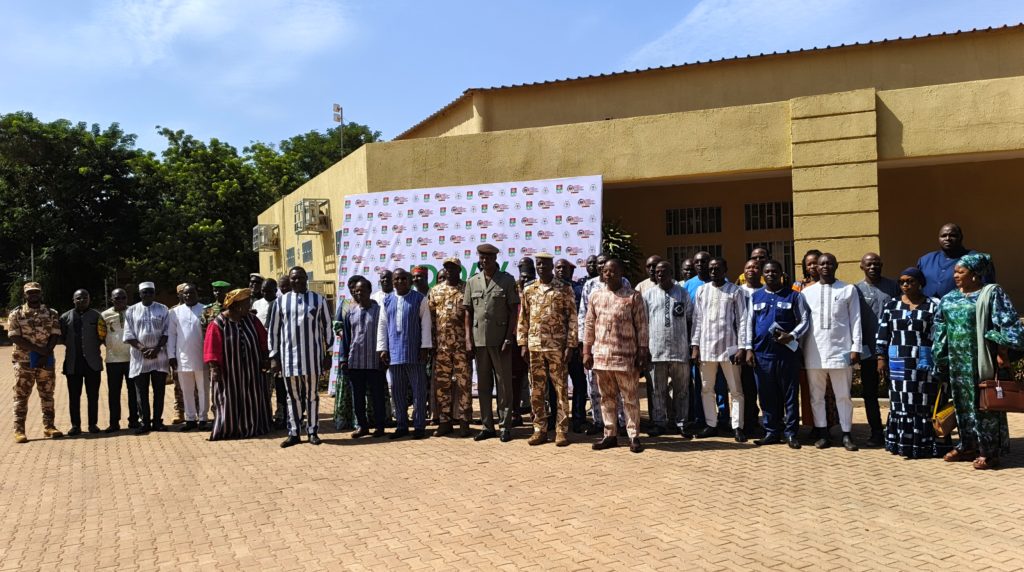
Burkina Faso: Biometric Diploma Security Focus for ID DAY
Summary
- Burkina Faso will commemorate the 9th International Identity Day (ID DAY) on September 16, 2026.
- This year's ID DAY celebration specifically focuses on securing academic and professional diplomas.
- The core initiative involves integrating biometric identity systems to enhance diploma security and prevent fraud.
- This policy aims to strengthen trust in Burkina Faso's educational and professional certifications.
- The move is expected to simplify employment verification and boost the global credibility of the nation's education system.
What Happened
The core theme underpinning this year's ID DAY celebration in Burkina Faso is the strategic integration of biometric identity systems as a fundamental tool for enhancing diploma security.
Burkina Faso is set to observe the ninth annual International Identity Day, widely recognized as "ID DAY," on Wednesday, September 16, 2026. This yearly commemoration is dedicated to highlighting the multifaceted challenges and paramount importance associated with establishing legal identification for individuals across various societal domains. For its 2026 iteration, the observance is specifically drawing attention to a particularly sensitive and critical area: the comprehensive security of both academic and professional diplomas.
The core theme underpinning this year's ID DAY celebration in Burkina Faso is the strategic integration of biometric identity systems as a fundamental tool for enhancing diploma security. This initiative represents a concerted effort to address the vulnerabilities inherent in traditional credential verification, aiming to safeguard the authenticity of educational and professional qualifications and to proactively prevent fraudulent activities. The explicit focus on biometric solutions underscores a forward-thinking approach to robust BF academic diploma fraud prevention, ensuring that credentials accurately reflect genuine achievements.
Policy Focus
The strategic adoption of biometric identity for diploma security within Burkina Faso signifies a pivotal policy direction, engineered to reinforce confidence in the nation's educational and professional certification frameworks. By harnessing advanced biometric technologies, the government endeavors to construct an unimpeachable system for verifying academic accomplishments and professional competencies. This innovative approach is meticulously designed to significantly mitigate the risks associated with counterfeit documents and to substantially streamline verification processes for prospective employers, educational institutions, and regulatory bodies alike.
This concentrated emphasis on Burkina Faso professional certificate biometrics is intrinsically aligned with broader national objectives aimed at fortifying and modernizing the country's overall identification infrastructure. The seamless integration of unique biometric data directly into educational credentials provides an exceptionally robust mechanism for ID DAY Burkina Faso diploma security, thereby ensuring that all issued qualifications are not only genuinely earned but also unequivocally verifiable. Such progressive measures are indispensable for upholding the integrity of the national education system and for fostering sustainable economic development through the provision of reliably credentialed human capital.
Why It Matters
The profound shift towards embedding biometric identity within Burkina Faso's education sector carries substantial and far-reaching implications for both individual citizens and institutional stakeholders. For graduates, this progressive development means their academic and professional diplomas will inherently possess an elevated level of security and, crucially, enhanced international recognition. This advancement is anticipated to considerably simplify employment verification procedures, both within Burkina Faso and across international borders, thereby boosting the mobility and employability of its skilled workforce. This strategic move is widely regarded as a critical step in augmenting the intrinsic value and global credibility of Burkina Faso's educational output.
Furthermore, the proactive implementation of biometric identity Burkina Faso education initiatives unequivocally signals a national commitment to vigorously combating fraud and fostering an environment of absolute transparency. This sophisticated security framework not only meticulously protects the integrity of academic records from illicit manipulation but also cultivates a more trustworthy and reliable ecosystem for professional recruitment, higher education admissions, and overall national development.
Practical Implications
Lawyers and compliance officers should monitor the development and implementation of biometric identity systems for diploma verification in Burkina Faso, as this impacts anti-fraud measures, employment verification processes, and compliance requirements for educational institutions.
Source
How does this affect you?
Get an AI analysis of this article grounded in your jurisdictions, practice areas, and any policy documents you've uploaded to Wansom.
Finish Reading the Full Story and the Expert Analysis.
Get the latest legal & regulatory intelligence in Burkina Faso
Wansom is AI and can make mistakes.