
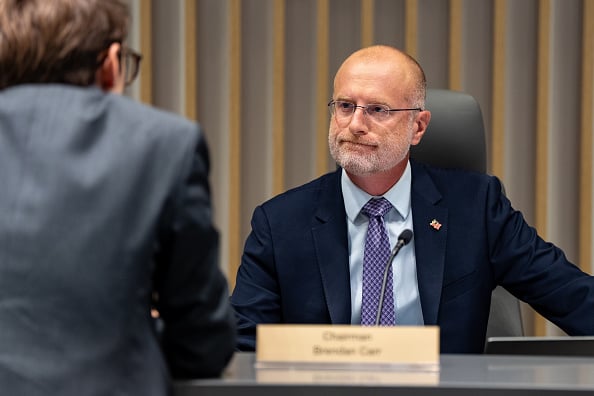
FOIA Disclosure Reveals FCC Collaboration With White House
Freedom of Information Act disclosures released in the United States have revealed extensive collaboration between Federal Communications Commission Commissioner Brendan Carr, the White House, and conservative advocacy organizations. The records, made public following regulatory transparency inquiries, document communication and strategic alignment between the independent agency official and external political entities regarding federal communications policy. This disclosure reopens long-standing debates surrounding administrative independence, regulatory ethics, and executive influence within independent federal commissions, drawing direct historical parallels to prior controversies over executive involvement in commission rulemakings such as net neutrality policy.
The development highlights core administrative law principles governing independent federal agencies, which under US federal statutory frameworks are designed to operate with institutional autonomy from the executive branch. The key entities implicated include FCC Commissioner Brendan Carr, executive branch officials, conservative think tanks such as the Hudson Institute, and transparency advocates utilizing FOIA to inspect agency conduct. While historical precedents involved public executive statements regarding regulatory matters, the disclosures focus on behind-the-scenes coordination and consultation between independent agency officials and political advocacy groups. The specific administrative or legal challenges arising from these disclosures remain ongoing, and further statutory or judicial inquiries into these communications have not been formally reported.
For regulatory practitioners, administrative law attorneys, and corporate compliance counsel, these disclosures underscore the critical role of public records requests in uncovering administrative ex parte communications and potential procedural irregularities. Evidence of coordination between independent regulators and partisan advocacy organizations provides potential procedural arguments for litigants seeking to challenge administrative agency rulemakings under statutes like the Administrative Procedure Act, particularly where claims of procedural bias, prejudgment, or improper ex parte influence can be established. Legal professionals operating in regulated industries should monitor how these records influence pending FCC proceedings and whether affected stakeholders leverage these revelations to contest agency decisions in federal appellate courts.
How does this affect you?
Get an AI analysis of this article grounded in your jurisdictions, practice areas, and any policy documents you've uploaded to Wansom.
Wansom is AI and can make mistakes.