
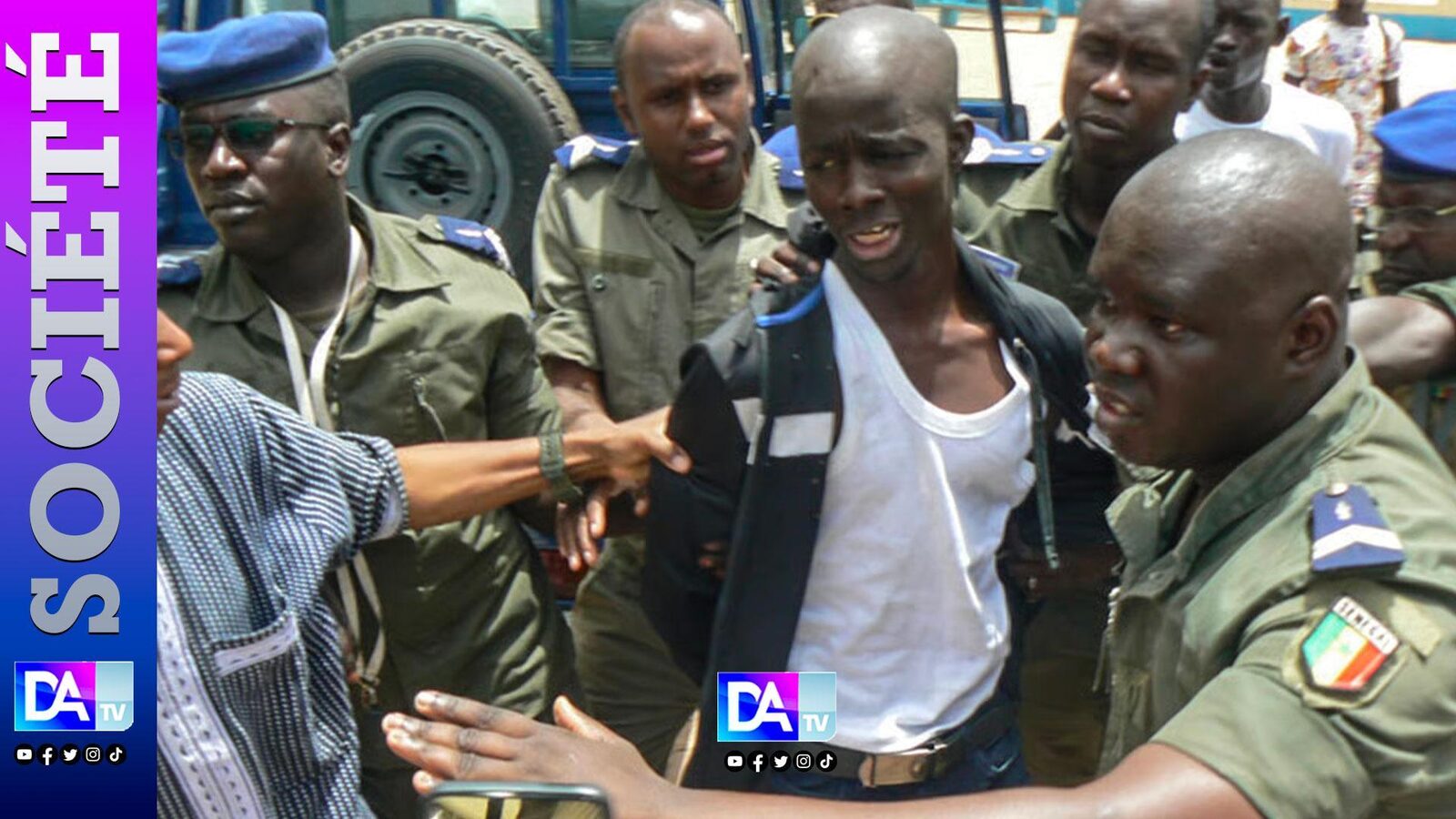
Boy Djiné Condamnation: 2 Months For Prison Phones In Senegal
Summary
- Boy Djiné was sentenced to two months of firm imprisonment on July 31, 2026, for possessing phones in his cell at Camp pénal Dakar.
- The Tribunal d'instance de Dakar convicted him for introducing devices into prison and complicity.
- He is currently on a hunger strike, demanding resolution for two other pending criminal cases, including attempted murder and theft, for which he has been detained since 2023.
- A search of his cell uncovered two phones, a memory card, and a memory card holder, which he admitted owning.
- Boy Djiné alleged that prison guards facilitated the entry of phones for 40,000 CFA francs, but he refused to name them.
Recent Conviction and Contraband Discovery
Boy Djiné initiated a hunger strike to press for resolution in his long-standing cases, which include serious charges of attempted murder and theft, and for which he has been held under a detention order since 2023.
On July 31, 2026, Baye Modou Fall, widely recognized as Boy Djiné, received a two-month firm prison sentence from the Tribunal d'instance de Dakar. This condemnation specifically addressed the issue of Boy Djiné condamnation téléphones prison Sénégal, focusing on charges related to the unauthorized introduction of communication devices into the correctional facility and complicity in this act. The court's decision followed an earlier declaration of incompetence by the Tribunal des flagrants délits, which had initially handled the matter.
The investigation that led to this conviction began with a thorough search of Boy Djiné's cell, located in chamber 1 of the Camp pénal Dakar. During this inspection, authorities discovered two mobile phones, a memory card, and a memory card holder. Confronted with these findings, Boy Djiné admitted ownership of the devices. He offered explanations for their presence, stating that one phone had been acquired externally and subsequently introduced into the prison through illicit means, while the second was reportedly left behind by a former inmate because it was no longer functional. He also asserted that the prison administration was aware of the presence of the memory card.
Broader Legal Battles and Detainee Protests
Despite this recent conviction, the two-month sentence does not resolve the more significant and long-standing legal challenges facing Boy Djiné. He remains embroiled in two other distinct legal procedures, which are currently pending before the criminal chambers in both Dakar and Diourbel. These cases, for which he has been held under a detention order since 2023, involve serious accusations, including attempted murder and theft. The protracted nature of these proceedings has prompted extreme measures from the detainee.
In a direct response to the delays and uncertainty surrounding his fate in these pending dossiers, Boy Djiné initiated a hunger strike. This protest began on the Thursday preceding the publication of reports detailing his recent conviction, underscoring his demand for a definitive resolution to his grève faim Boy Djiné dossiers. The Baye Modou Fall condamnation for the phone incident, while adding to his record, does not alleviate the pressure he feels regarding these more severe and unresolved charges.
Allegations of Corruption and Prison Security
The case also brought to light serious, albeit unverified, allegations concerning the security protocols and potential corruption within Senegalese correctional facilities. Boy Djiné claimed that prison guards played a role in facilitating the introduction appareils Camp pénal Dakar, asserting that they allowed phones into the establishment in exchange for a payment of 40,000 CFA francs. However, when pressed to identify the specific agents involved in this alleged complicité gardes prison Sénégal, he declined to provide their names.
These allegations, despite being unproven, highlight persistent vulnerabilities within the prison system regarding contraband and staff integrity. The incident serves as a stark reminder of the challenges faced by authorities in maintaining strict control over prohibited items within detention centers and the potential for internal corruption to undermine security measures. The ongoing presence of such issues can significantly impact the management and rehabilitation efforts within the penal system.
Practical Implications
This case highlights the persistent issues of contraband within Senegalese correctional facilities and the procedural delays faced by detainees, which can lead to extreme measures like hunger strikes. Lawyers representing clients in detention should be aware of these systemic challenges, including potential corruption allegations against prison staff, and monitor the progress of their clients' cases diligently to avoid prolonged pre-trial detention.
Source
How does this affect you?
Get an AI analysis of this article grounded in your jurisdictions, practice areas, and any policy documents you've uploaded to Wansom.
Finish Reading the Full Story and the Expert Analysis.
Get the latest legal & regulatory intelligence in Senegal
Wansom is AI and can make mistakes.