
Botswana: Public Procurement System Weaknesses Exposed
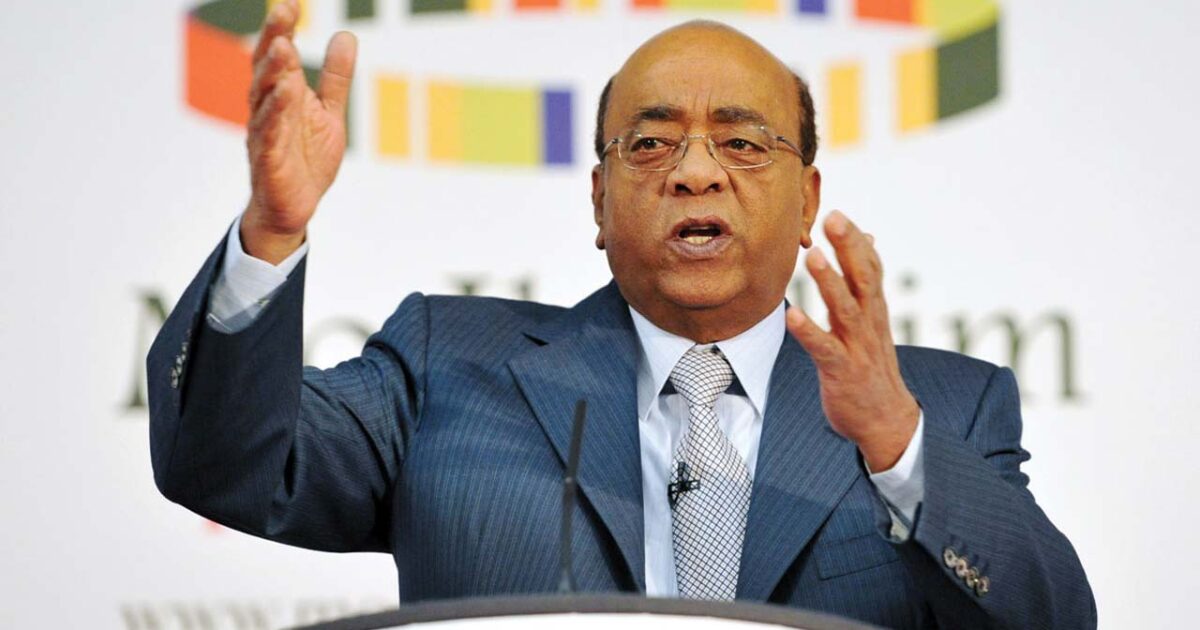
Botswana's public procurement system is currently facing significant scrutiny following revelations by the Mo Ibrahim Foundation, which exposed serious weaknesses, including a poor continental procurement score, repeated direct awards, and concerning audit findings impacting billions of pula in public contracts.
This development highlights a critical challenge to Botswana's long-standing reputation for good governance, as the identified vulnerabilities in its procurement processes suggest potential for inefficiency, lack of transparency, and even corruption. The repeated direct awards, in particular, raise questions about competitive fairness and value for money, while audit findings underscore systemic issues that require urgent attention. For legal practitioners, this signals an environment of heightened risk and increased oversight concerning public sector contracts, potentially leading to more rigorous enforcement and legal challenges.
The legal significance of these findings is substantial, as a compromised public procurement system can undermine economic development, deter foreign investment, and erode public trust. From a legal perspective, the issues likely touch upon the Public Procurement Act (or its equivalent legislation in Botswana) and its associated regulations, which are designed to ensure fairness, transparency, and accountability in the awarding of government contracts. The role of audit institutions, such as the Auditor General, is crucial in identifying these weaknesses, while the Mo Ibrahim Foundation's report serves as an important external benchmark and catalyst for reform. The excerpt does not detail any specific legal rulings or enforcement actions, but rather points to systemic issues.
Key parties involved include the Botswana government and its various procurement entities responsible for managing public contracts, the Mo Ibrahim Foundation which conducted the assessment, and potentially the national audit bodies whose findings contribute to the overall picture of weakness. While the excerpt mentions "BONGANI MALUNGA," this appears to be the author of the article, not a party directly involved in the legal development itself. The outcome of any specific legal action or reform initiative stemming directly from these revelations is not yet reported.
Practitioners advising businesses engaged in or seeking public contracts in Botswana should closely monitor any forthcoming legislative or regulatory reforms aimed at strengthening the procurement framework. It is imperative for companies to ensure robust internal compliance mechanisms, adhere strictly to tendering procedures, and be prepared for increased scrutiny from regulatory bodies and civil society. Attorneys should also be prepared to advise on potential challenges to procurement decisions and to navigate an evolving landscape where transparency and accountability are likely to become even more paramount.
How does this affect you?
Get an AI analysis of this article grounded in your jurisdictions, practice areas, and any policy documents you've uploaded to Wansom.
Finish Reading the Full Story and the Expert Analysis.
Get the latest legal & regulatory intelligence in Botswana
Wansom is AI and can make mistakes.