
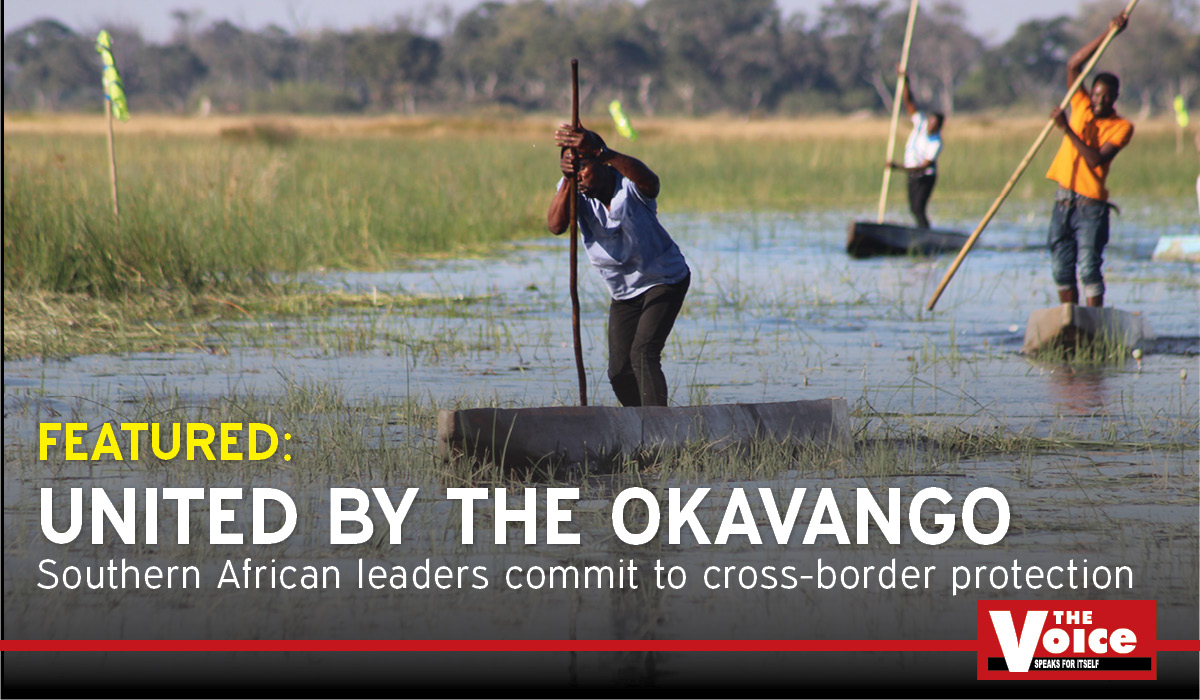
Botswana Namibia Angola Okavango Protection Pledge Reaffirmed
Summary
- Botswana, Namibia, and Angola have reaffirmed their collective commitment to safeguarding the Okavango River Basin.
- The three Southern African nations pledged to intensify their efforts to protect this vital ecosystem.
- High-level pledges were made in New York during a gathering marking the launch of the second five-year phase of the Okavango Eternal partnership and the formation of the Okavango Eternal Alliance.
- A press statement released on Monday reported these commitments.
- This cross-border agreement signals potential for stricter environmental regulations and enforcement across the region.
Renewed Commitment to Okavango Protection
Lawyers advising clients in sectors such as mining, agriculture, and tourism, which often have substantial environmental footprints, should anticipate a heightened focus on compliance and sustainability.
Leaders from Botswana, Namibia, and Angola have collectively reaffirmed their dedication to the comprehensive safeguarding of the Okavango River Basin. This significant declaration underscores a shared vision for the region's environmental future, with the three Southern African nations pledging to intensify their existing efforts to protect this vital ecosystem. The renewed commitment represents a crucial step in ensuring the long-term health and sustainability of one of Africa's most important natural resources.
The high-level pledges were formally made during a gathering held in New York. This event, which took place on a Monday, was organized to mark the launch of the second five-year phase of the Okavango Eternal partnership and the formation of the Okavango Eternal Alliance, providing a prominent platform for the three nations to publicly declare their unified stance. The announcement, detailed in a press statement released concurrently, highlights the international recognition and collaborative spirit surrounding the Botswana Namibia Angola Okavango protection pledge.
This cross-border commitment from Angola, Botswana, and Namibia signals a concerted approach to environmental stewardship. The reaffirmation of their collective responsibility is particularly noteworthy given the transboundary nature of the Okavango River Basin, which spans across all three countries. Such high-level agreements are foundational for developing harmonized policies and strategies essential for effective ecosystem protection across national borders.
Legal and Regulatory Implications
The pledge by Botswana, Namibia, and Angola to step up efforts in safeguarding the Okavango River Basin carries significant legal and regulatory implications for stakeholders operating within the region. This renewed commitment suggests a potential future landscape where environmental regulations, particularly concerning water use, land management, and ecological impact assessments, could become more stringent or more rigorously enforced. Businesses in sectors such as mining, agriculture, and tourism, which often have substantial environmental footprints, should anticipate a heightened focus on compliance and sustainability.
Such a high-level declaration from Southern African leaders often serves as a precursor to the development of new, or the strengthening of existing, legislative frameworks designed to implement the stated goals. The emphasis on a cross-border commitment implies a move towards harmonized environmental standards and collaborative enforcement mechanisms across the three nations. This transboundary conservation Okavango initiative could lead to joint monitoring programs, shared data platforms, and coordinated policy responses to environmental threats, impacting how industries operate and secure permits within the basin.
Lawyers advising clients in these sectors must therefore prepare for an evolving regulatory environment. The pledge for ecosystem protection by these Southern African leaders indicates a clear political will to prioritize the health of the Okavango River Basin, which could translate into stricter environmental impact assessments, increased penalties for non-compliance, and potentially new requirements for sustainable resource management. Understanding these potential shifts will be crucial for navigating the legal landscape in Angola, Botswana, and Namibia.
Why This Commitment Matters
The Okavango River Basin is globally recognized as a vital ecosystem, supporting an extraordinary array of biodiversity and providing essential water resources to millions of people and countless species across Southern Africa. The collective commitment from Angola, Botswana, and Namibia to enhance its protection is therefore of paramount importance. This unified approach is critical for addressing the complex challenges of environmental degradation, climate change, and sustainable development in a region heavily reliant on these shared water resources.
By pledging to step up efforts, the three nations are not only securing the future of the Okavango Delta, a UNESCO World Heritage site, but also reinforcing the principle of transboundary conservation Okavango as a model for regional cooperation. The health of the basin directly impacts the livelihoods of local communities, regional economies, and the overall ecological balance of Southern Africa. This high-level agreement provides a framework for coordinated action against threats such as pollution, over-extraction of water, and habitat destruction, ensuring that the benefits of the Okavango continue for generations.
This Botswana Namibia Angola Okavango protection pledge underscores the recognition that environmental challenges transcend national borders and require collaborative solutions. The reaffirmation of their commitment in an international forum like New York further elevates the profile of this critical ecosystem, potentially attracting more global support and resources for its conservation. The proactive stance taken by these Southern African leaders is a significant development for regional environmental safeguarding and the long-term viability of the Okavango River Basin.
Practical Implications
Lawyers advising clients in sectors like mining, agriculture, or tourism within the Okavango River Basin across Botswana, Namibia, and Angola should anticipate potential new environmental regulations or stricter enforcement of existing laws, particularly regarding water use and ecological impact assessments.
Source
How does this affect you?
Get an AI analysis of this article grounded in your jurisdictions, practice areas, and any policy documents you've uploaded to Wansom.
Finish Reading the Full Story and the Expert Analysis.
Get the latest legal & regulatory intelligence in Botswana
Wansom is AI and can make mistakes.