
BASA: Botswana Pesticide Poisoning Warning Cites Traceability Gaps
Summary
- The Botswana Agro Suppliers Association (BASA) has issued a warning about widespread agrochemical abuse.
- BASA Chairperson Pius Malikongwa expressed concern over a high rate of pesticide poisoning in Botswana.
- Malikongwa noted significant irregularities in the agrochemicals sector, making it difficult to trace certain chemicals.
Urgent Warning on Agrochemical Misuse
Pius Malikongwa specifically pointed to widespread irregularity within the agrochemicals space, a systemic issue that severely hampers efforts to track the origin and distribution of certain chemical products.
The Botswana Agro Suppliers Association (BASA) has issued a stark warning regarding the pervasive abuse of agrochemicals across the nation. This significant alert comes amidst growing apprehension over public safety and environmental integrity, highlighting a critical challenge facing the agricultural sector.
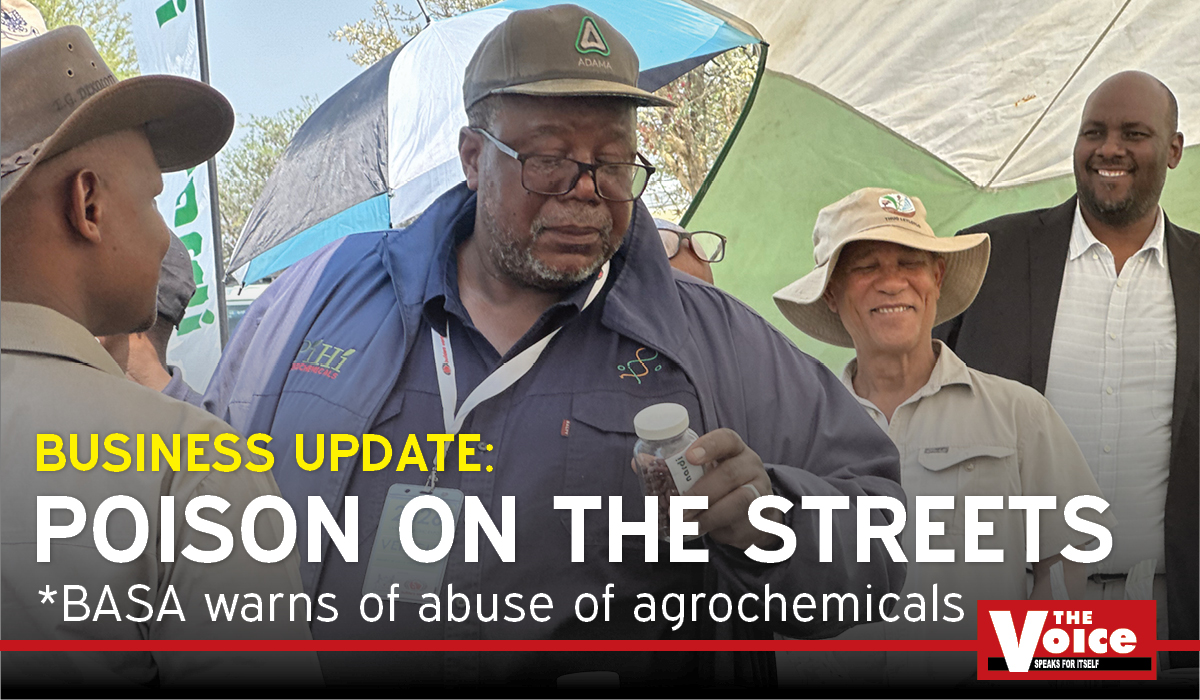
Pius Malikongwa, serving as the Chairperson for BASA, articulated profound concern regarding the alarmingly high rate of pesticide poisoning incidents reported throughout the country. His remarks, delivered during the recent National Lands Agric Expo, underscored the severity of the situation.
Malikongwa specifically pointed to widespread irregularity within the agrochemicals space, a systemic issue that severely hampers efforts to track the origin and distribution of certain chemical products. This lack of clear agrochemical traceability Botswana creates significant challenges for oversight and accountability, contributing to the overall Botswana pesticide poisoning BASA warning.
Regulatory Gaps and Supply Chain Vulnerabilities
The reported prevalence of irregularities in the agrochemical sector, as highlighted by the BASA Chairperson, points to potential weaknesses in Botswana agrochemical regulation. This environment of widespread non-compliance makes it exceedingly difficult for authorities to monitor the proper handling, sale, and application of pesticides, exacerbating the risks of misuse.
The inability to trace specific chemicals, a direct consequence of these irregularities, introduces substantial pesticide supply chain risks. Without robust mechanisms for agrochemical traceability Botswana, identifying the source of misused or contaminated products becomes nearly impossible, complicating investigations into poisoning incidents and hindering effective recall or mitigation efforts.
Such systemic issues raise serious questions about the effectiveness of current Botswana environmental compliance frameworks and the enforcement capabilities designed to safeguard both human health and natural ecosystems from hazardous substances. The call from Pius Malikongwa pesticide concern implicitly advocates for a re-evaluation of existing controls and a strengthening of regulatory oversight.
The Far-Reaching Impact of Untraceable Toxins
The high rate of pesticide poisoning, a central point of the Botswana pesticide poisoning BASA warning, represents a grave public health crisis. When combined with the difficulty in tracing these chemicals, the potential for widespread harm is amplified, as it becomes challenging to implement targeted interventions or hold responsible parties accountable for their actions.
The absence of clear agrochemical traceability Botswana not only complicates immediate responses to poisoning cases but also poses long-term threats to environmental health. Untraceable substances can accumulate in soil and water, impacting biodiversity and potentially entering the food chain, thereby undermining Botswana environmental compliance efforts and posing risks to sustainable agriculture.
Pius Malikongwa's pesticide concern underscores the urgent need for enhanced vigilance and stricter controls within the agrochemical industry. Addressing the widespread irregularity and improving traceability are crucial steps to mitigate the severe risks associated with these powerful substances and protect the well-being of the nation.
Practical Implications
Compliance officers in Botswana's agrochemical sector should review supply chain traceability and regulatory adherence, anticipating increased scrutiny and potential product liability risks due to reported widespread irregularities. Lawyers may need to advise clients on navigating evolving compliance requirements or defending against future claims.
Source
How does this affect you?
Get an AI analysis of this article grounded in your jurisdictions, practice areas, and any policy documents you've uploaded to Wansom.
Finish Reading the Full Story and the Expert Analysis.
Get the latest legal & regulatory intelligence in Botswana
Wansom is AI and can make mistakes.