
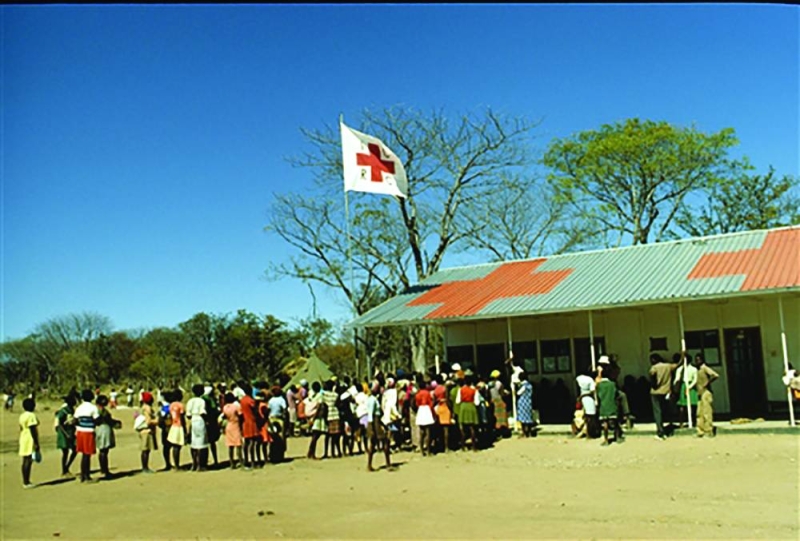
Botswana: Dukwi Refugee Camp Named Child Trafficking Hotspot
The Dukwi Refugee Camp in Botswana’s Central District has been identified as a human trafficking hotspot, specifically for the sexual exploitation of child refugees in and around the camp, according to a 2026 Trafficking report.
This development carries profound legal significance for practitioners across various fields in Botswana and internationally. For human rights lawyers and child protection advocates, it highlights an urgent crisis demanding immediate legal and policy responses to safeguard vulnerable populations. Criminal law practitioners will note the increased focus on prosecuting trafficking offenses, particularly those involving minors, which typically carry severe penalties under Botswana law. For businesses, especially those with operations or supply chains in regions adjacent to refugee settlements, this report underscores the critical need for enhanced due diligence, robust ethical sourcing policies, and corporate social responsibility initiatives to prevent any inadvertent complicity or association with human rights abuses. The reputational and legal risks for entities failing to address such issues are substantial.
Botswana's legal framework for combating human trafficking is primarily anchored in the Anti-Human Trafficking Act of 2014, which criminalizes various forms of trafficking and provides for victim protection. This Act aligns with international obligations, including the Palermo Protocol, to which Botswana is a signatory, and the 1951 Refugee Convention and its 1967 Protocol, which govern the treatment and protection of refugees. The Children's Act further provides specific legal safeguards for minors against exploitation and abuse. Enforcement falls under the purview of the Botswana Police Service, the Department of Immigration and Citizenship, and the Ministry of Defence, Justice and Security, with cases typically adjudicated in the Magistrates' Courts and the High Court. The identification of a refugee camp as a hotspot also implicates the responsibilities of the government and international bodies like UNHCR in ensuring the safety and welfare of refugees.
Key parties involved in this issue include the child refugees as the primary victims, the unidentified perpetrators of the trafficking, and the administration of the Dukwi Refugee Camp. The Botswana government, through its various ministries and law enforcement agencies, is a central actor in addressing this crisis, alongside international organizations and non-governmental organizations working in human rights and refugee protection. The
How does this affect you?
Get an AI analysis of this article grounded in your jurisdictions, practice areas, and any policy documents you've uploaded to Wansom.
Finish Reading the Full Story and the Expert Analysis.
Wansom is AI and can make mistakes.