
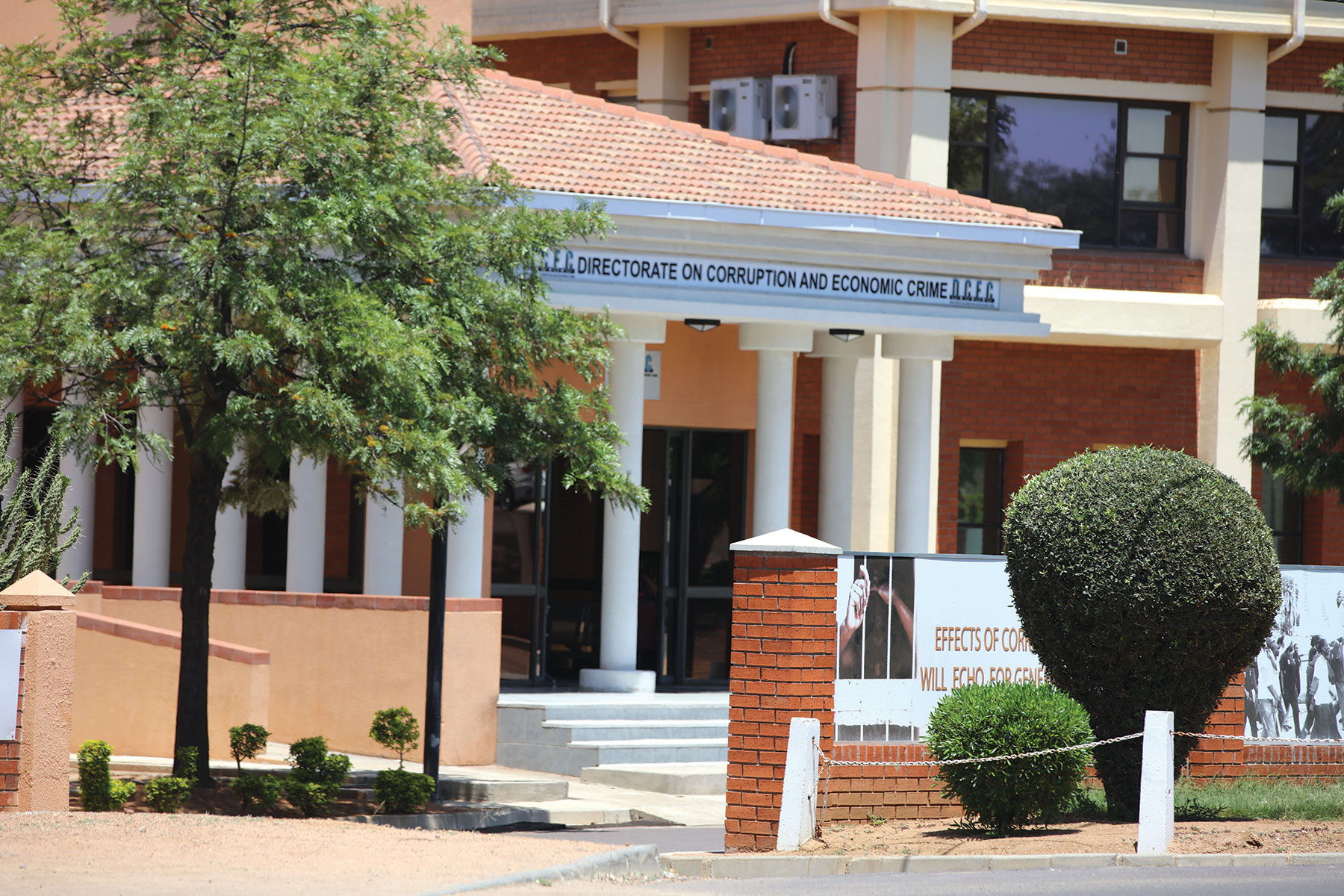
Botswana DCEC Intensifies Anti-Corruption Efforts, Charges Ministers
The Directorate on Corruption and Economic Crime (DCEC) in Botswana is demonstrating an aggressive and wide-ranging approach to combating corruption, pursuing cases from minor infractions involving P700 to high-profile matters implicating former ministers in a billion Pula road contract. This intensified enforcement posture indicates a comprehensive strategy by the DCEC to tackle corruption at all levels of society, signalling that no alleged offence, regardless of its monetary value or the status of the individuals involved, will be overlooked.
The legal significance of this development for practitioners, businesses, and the public in Botswana is substantial, as it reflects a heightened commitment by the DCEC to its mandate, potentially leading to an increase in investigations and prosecutions for economic crimes. This aggressive stance suggests a reduced tolerance for corrupt practices, which will necessitate stricter adherence to anti-corruption laws and ethical standards across both public and private sectors. The broad net cast by the DCEC implies that even seemingly minor transgressions could now attract significant legal scrutiny, altering the risk landscape for individuals and corporate entities.
The legal context for the DCEC's actions is rooted in the Directorate on Corruption and Economic Crime Act, which empowers the agency to investigate and prosecute corruption and economic crimes. The reported cases, spanning from petty corruption to large-scale financial misconduct, fall squarely within the statutory mandate of the DCEC. This proactive enforcement strategy underscores the DCEC's interpretation and application of its powers within Botswana's criminal justice framework, aiming to deter corruption through consistent and widespread prosecution. The courts play a crucial role in adjudicating these matters, ensuring due process and upholding the rule of law.
The key parties involved are the Directorate on Corruption and Economic Crime (DCEC) as the prosecuting authority, various individuals accused of corruption, including a headteacher and former ministers, and the courts of Botswana where these cases are being heard. The outcomes of these specific cases are not reported in the excerpt.
For attorneys advising clients in Botswana, particularly those in public service, corporate sectors, or any entity susceptible to corruption allegations, it is paramount to reinforce stringent compliance measures and ethical conduct. Businesses should proactively review and strengthen their anti-corruption policies, conduct regular internal audits, and ensure comprehensive training for employees on anti-bribery and corruption laws. Defence lawyers should prepare for a proactive and unyielding prosecuting authority, necessitating robust defence strategies and a thorough understanding of the DCEC's investigative and prosecutorial powers.
How does this affect you?
Get an AI analysis of this article grounded in your jurisdictions, practice areas, and any policy documents you've uploaded to Wansom.
Finish Reading the Full Story and the Expert Analysis.
Get the latest legal & regulatory intelligence in Botswana
Wansom is AI and can make mistakes.