
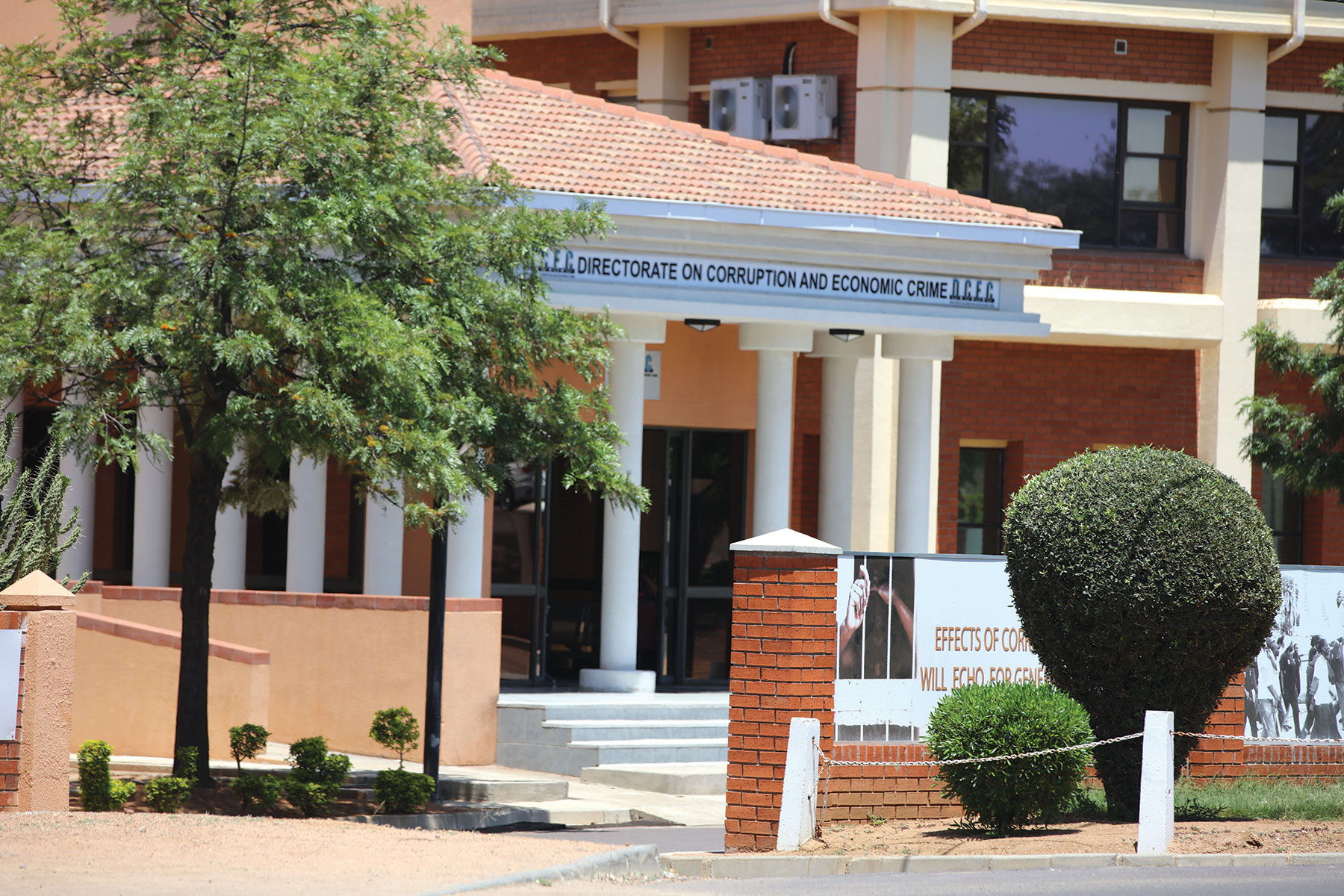
Botswana DCEC: Widens Corruption Enforcement Scope Across All Levels
Summary
- The Directorate on Corruption and Economic Crime (DCEC) is aggressively expanding its anti-corruption enforcement in Botswana.
- The agency is targeting both minor infractions, such as a headteacher accepting P700, and major cases.
- Former ministers are facing charges linked to a billion Pula road contract, demonstrating the DCEC's wide scope.
- This intensified crackdown means even small acts of corruption are now under scrutiny.
- The DCEC's strategy aims to deter corruption across all sectors, increasing risk for individuals and entities.
What Happened
The current Botswana DCEC corruption enforcement scope is notably wide, encompassing both high-profile cases and seemingly minor transgressions.
The Directorate on Corruption and Economic Crime (DCEC) in Botswana has significantly broadened its anti-corruption strategy, demonstrating an expansive and rigorous enforcement posture. Recent actions by the agency indicate a comprehensive approach to combating illicit activities, targeting a wide array of offenses regardless of their perceived scale. This intensified Botswana economic crime crackdown suggests that the DCEC is leaving no stone unturned in its efforts to uphold integrity within the nation's economic and public sectors. The current Botswana DCEC corruption enforcement scope is notably wide, encompassing both high-profile cases and seemingly minor transgressions.
This aggressive stance is exemplified by a range of ongoing investigations and charges. For instance, a headteacher has been implicated for allegedly accepting a sum of P700, illustrating the agency's focus on even small acts of corruption. Concurrently, the DCEC is pursuing charges against former government ministers in connection with a substantial billion Pula road contract, highlighting its commitment to addressing large-scale economic crimes. These diverse cases underscore the agency's determination to prosecute corruption at all levels, from petty bribery to significant financial malfeasance, signaling a new era of accountability.
Legal Context
The Directorate on Corruption and Economic Crime Botswana operates with a clear mandate to investigate and prosecute instances of corruption and economic crime across the country. Its recent activities reflect a robust interpretation of this mandate, extending its investigative reach to areas that might previously have been considered less significant. The agency's current operational framework appears designed to deter corruption by demonstrating that no act of illicit enrichment, however small, will escape scrutiny. This proactive approach is central to the DCEC anti-corruption strategy Botswana is now witnessing.
The legal framework empowers the DCEC to pursue cases ranging from minor financial improprieties to complex schemes involving substantial public funds. The charges against former ministers related to the billion Pula road contract corruption charges serve as a potent reminder of the serious legal consequences awaiting those found to have abused their positions for financial gain. This broad application of the law ensures that the fight against corruption is not limited to specific sectors or types of offenses, but rather encompasses the entire spectrum of economic misconduct.
Why It Matters
The expanded Botswana DCEC corruption enforcement scope carries significant implications for individuals, businesses, and public institutions throughout the country. The agency's "no prisoners" approach means that the risk of detection and prosecution for corrupt practices has substantially increased across all sectors. Even seemingly insignificant acts of bribery or fraud are now firmly within the DCEC's sights, necessitating a heightened level of vigilance and ethical conduct from all citizens and organizations.
This aggressive enforcement posture underscores the critical importance of robust anti-corruption compliance frameworks for all entities operating in Botswana. The ongoing investigations, from the P700 case involving a headteacher to the multi-billion Pula road contract corruption charges against former ministers, send a clear message: the era of impunity for corrupt acts is drawing to a close. The DCEC's comprehensive crackdown aims to foster a culture of transparency and accountability, ultimately strengthening the integrity of Botswana's economic landscape.
Practical Implications
Lawyers and compliance officers in Botswana should advise clients to review and strengthen their anti-corruption compliance frameworks, as the DCEC is demonstrating an expanded and aggressive enforcement posture targeting both minor and major infractions across all sectors. Even seemingly small acts of corruption are now under scrutiny, increasing risk exposure for individuals and entities.
Source
How does this affect you?
Get an AI analysis of this article grounded in your jurisdictions, practice areas, and any policy documents you've uploaded to Wansom.
Finish Reading the Full Story and the Expert Analysis.
Get the latest legal & regulatory intelligence in Botswana
Wansom is AI and can make mistakes.