
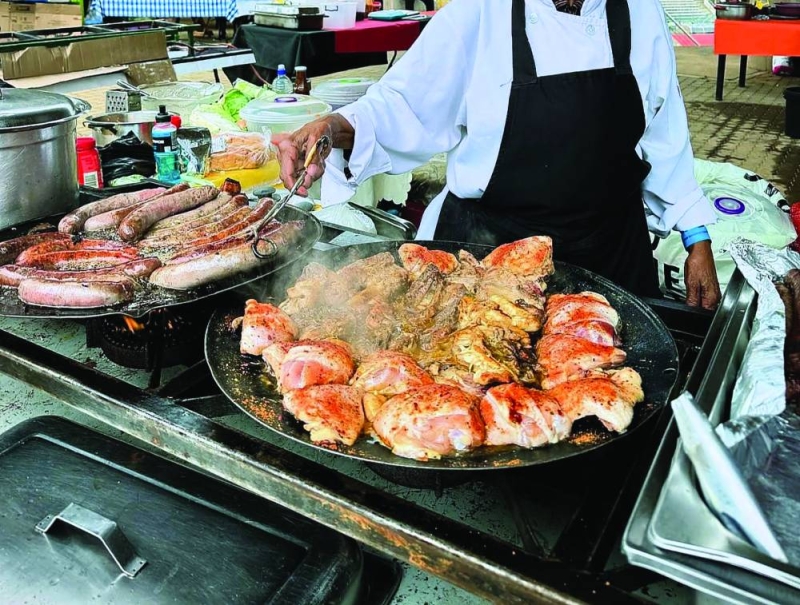
Mogoditshane/Thamaga Council: Gabane Street Food Sales Illegal
Summary
- Molatedi Tona Selala, Chairman of the Mogoditshane/Thamaga District Council, declared street food sales in Gabane illegal.
- The statement was directly communicated to Gabane street vendors.
- This prohibition falls under existing Botswana law, emphasizing regulatory compliance.
- The council's stance highlights the importance of adhering to public health and vending regulations.
What Happened
The explicit illegality of street food operations necessitates a thorough review of current business practices to ensure full compliance with district council regulations and broader Botswana public health bylaws.
Molatedi Tona Selala, who serves as the Chairman for the Mogoditshane/Thamaga District Council, recently issued a definitive statement regarding informal food sales within the Gabane area. Addressing street vendors directly, Selala unequivocally declared that the practice of selling food on public thoroughfares is explicitly prohibited under existing Botswana law. This pronouncement serves as a clear directive from a senior local government official to those engaged in such commercial activities.
The statement by Chairman Selala specifically targeted vendors operating in Gabane, highlighting the council's stance on unregulated food commerce. His communication underscored the legal framework governing such operations, indicating that current street food sales fall outside permissible boundaries. This direct engagement with the vendor community aims to clarify legal expectations and reinforce compliance with national and local statutes.
Legal Context
The prohibition articulated by the Mogoditshane/Thamaga District Council Chairman, Molatedi Tona Selala, is rooted in broader Botswana street vending regulations and public health bylaws. While the specific statutes were not detailed, the declaration implies adherence to a framework designed to ensure public safety, hygiene standards, and orderly commercial activity. Local authorities, including district councils, are typically empowered to enforce such provisions, which often cover aspects like food preparation, storage, and licensing requirements for businesses.
Informal food sales, particularly those conducted on streets, frequently face scrutiny due to potential public health risks if not properly regulated. Botswana's legal environment, like many nations, includes provisions aimed at safeguarding consumers from unhygienic practices and ensuring that food handlers meet specific standards. The council's position, as conveyed by Selala, therefore aligns with the general principles of maintaining public welfare through controlled commercial operations, particularly concerning perishable goods. This emphasis on legality underscores the importance of formal registration and adherence to established health protocols for any entity involved in food distribution.
Why It Matters
The explicit statement from Molatedi Tona Selala carries significant implications for individuals and businesses involved in Gabane informal food sales. Vendors operating on the streets now face a clear official warning that their activities are not merely unregulated but are, in fact, illegal under Botswana law. This clarity from the Mogoditshane Thamaga District Council suggests a potential for increased enforcement actions, including fines or cessation orders, against non-compliant vendors. The declaration serves as a critical signal for all stakeholders to review their operational practices.
For legal professionals, this development highlights a pressing need to advise clients engaged in food sales or informal vending within the Gabane area. The explicit illegality of street food operations necessitates a thorough review of current business practices to ensure full compliance with district council regulations and broader Botswana public health bylaws. Failure to adapt to these stated legal requirements could expose businesses to significant penalties and operational disruptions. Chairman Selala's statement effectively sets a precedent for how informal food sales will be treated going forward, emphasizing a shift towards stricter adherence to formal commercial and health standards.
Practical Implications
Lawyers should advise clients involved in food sales or informal vending in the Gabane area of Botswana about the explicit illegality of street food operations, necessitating a review of business practices to ensure compliance with district council regulations and avoid potential penalties.
Source
How does this affect you?
Get an AI analysis of this article grounded in your jurisdictions, practice areas, and any policy documents you've uploaded to Wansom.
Finish Reading the Full Story and the Expert Analysis.
Get the latest legal & regulatory intelligence in Botswana
Wansom is AI and can make mistakes.