
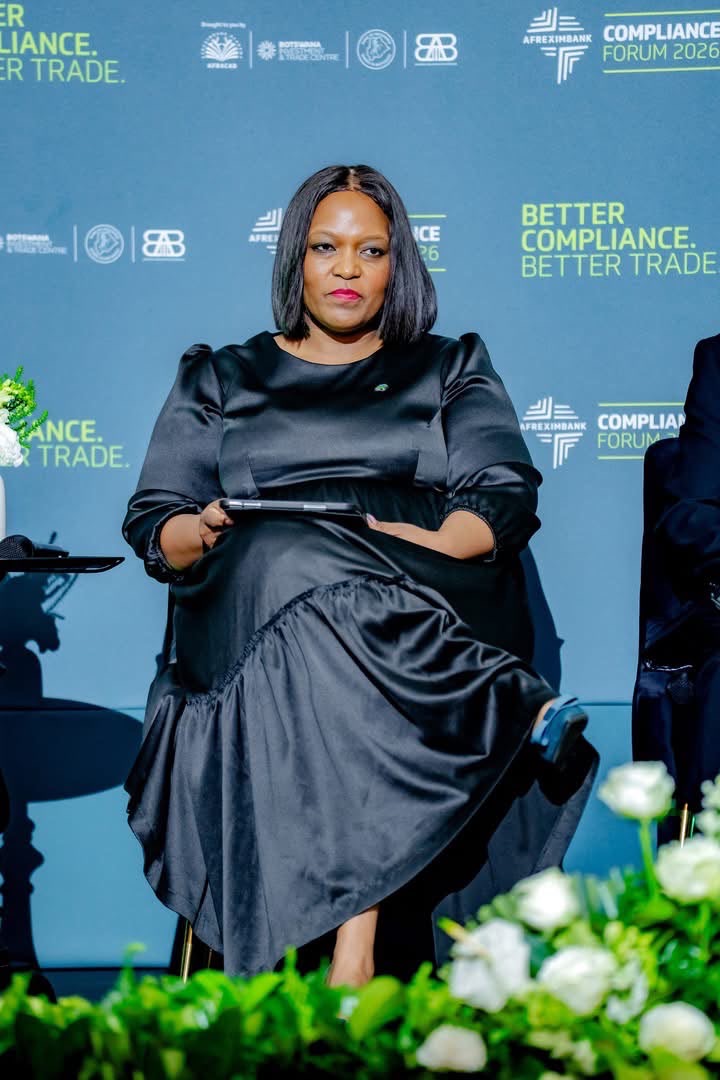
Botswana Banks: Understanding Compliance in Trade Payments
Banks in Botswana are increasingly challenged in verifying the commercial reasonableness of trade payment prices, as highlighted by Shathani Molefe, necessitating specialized knowledge beyond standard customer and business understanding.
This development underscores a heightened regulatory focus on combating trade-based money laundering (TBML) and ensuring robust anti-money laundering (AML) and combating the financing of terrorism (CFT) compliance within Botswana's financial sector. The difficulty in assessing market prices for goods in trade transactions indicates that financial institutions must evolve their due diligence processes to identify potential red flags associated with over- or under-invoicing, which are common TBML techniques. This impacts not only banks but also businesses engaged in international trade, as they will face increased scrutiny and demands for detailed transactional information.
Botswana's legal framework, particularly the Financial Intelligence Act and directives issued by the Bank of Botswana, mandates financial institutions to implement comprehensive AML/CFT measures, including stringent
How does this affect you?
Get an AI analysis of this article grounded in your jurisdictions, practice areas, and any policy documents you've uploaded to Wansom.
Finish Reading the Full Story and the Expert Analysis.
Get the latest legal & regulatory intelligence in Botswana
Wansom is AI and can make mistakes.