
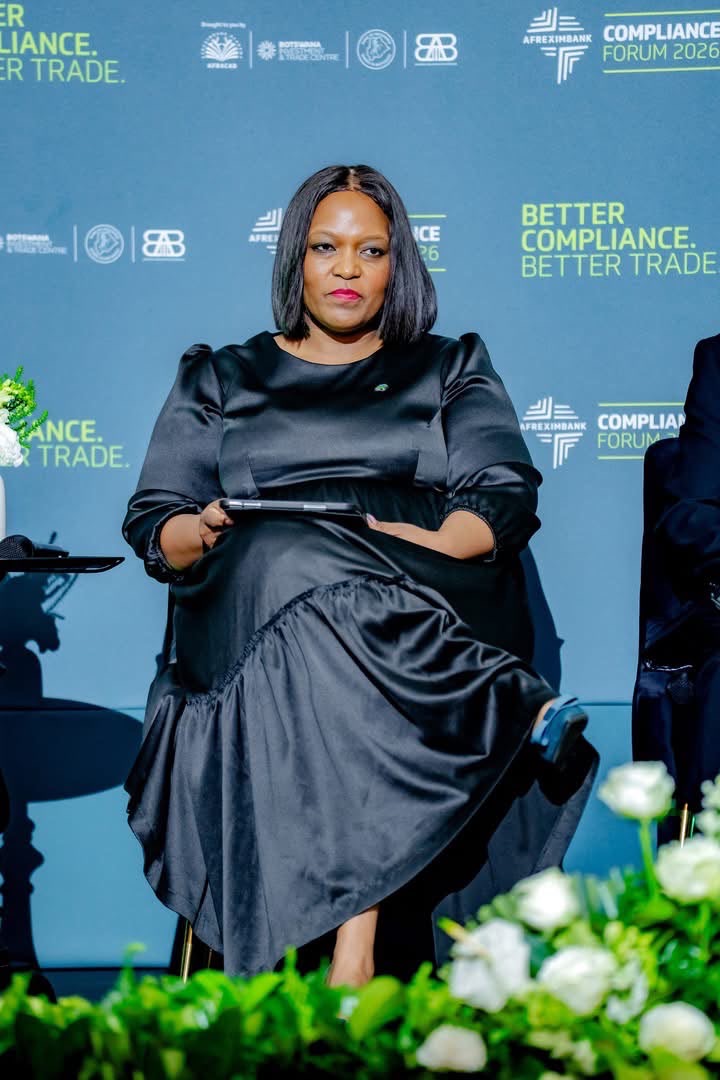
Botswana Bank Transaction Monitoring AML: Trade Pricing Hurdles
Summary
- Shathani Molefe observed that banks find it challenging to determine if trade payment prices are commercially reasonable.
- This difficulty stems from the need for specialist knowledge to assess market prices, even when banks know their customers and business rationale.
- Banks are enhancing their due diligence to scrutinize the economic viability and market alignment of trade transactions.
- This increased scrutiny is a critical part of Botswana's financial crime compliance and anti-money laundering efforts.
- Importers and exporters in Botswana must be prepared to justify the commercial reasonableness of their transaction pricing to banks.
The Challenge in Trade Finance Monitoring
The difficulty banks face in independently verifying market prices translates into a greater onus on clients to provide clear, defensible explanations for their transaction values.
Shathani Molefe has highlighted a significant hurdle for financial institutions in Botswana: accurately assessing the commercial reasonableness of trade payment pricing. While banks typically possess a deep understanding of their clientele and the underlying business rationale for an importer's specific shipment, the task of verifying whether the goods are being procured at a fair market value presents a complex analytical challenge. This difficulty arises because such an evaluation frequently necessitates specialized expertise beyond standard banking knowledge, making it one of the hardest aspects to establish for a trade payment.
This observation underscores a critical area within Botswana bank transaction monitoring AML frameworks. Even with robust Botswana KYC requirements banks implement to identify customers and their business activities, the granular detail required to scrutinize transaction values for potential discrepancies remains a demanding undertaking. The focus shifts from merely understanding who is transacting and why to meticulously examining the terms of the transaction itself, particularly the pricing, to ensure it aligns with legitimate commercial practices.
Enhancing Due Diligence in Botswana's Financial Sector
The need for banks to delve into the commercial logic of trade payments is an integral component of broader Botswana financial crime compliance efforts. Financial institutions are increasingly expected to move beyond basic transaction screening and engage in enhanced due diligence, particularly for cross-border trade. This involves not just confirming the existence of a trade but also scrutinizing its economic viability and market alignment, a process that demands a nuanced understanding of various industries and global pricing benchmarks.
Such rigorous examination is crucial for strengthening Botswana anti-money laundering due diligence processes. When banks encounter transactions where the pricing appears inconsistent with market norms, it can trigger red flags, prompting further investigation into potential illicit activities. The challenge articulated by Molefe points to a gap that banks are actively working to address, often by developing internal capabilities or seeking external advice to gain the specialist knowledge required for these complex assessments, thereby bolstering the integrity of the financial system.
Implications for Importers and Exporters
For businesses engaged in international trade, particularly importers and exporters operating within Botswana, this evolving landscape means a heightened expectation for transparency and justification of their commercial dealings. The difficulty banks face in independently verifying market prices translates into a greater onus on clients to provide clear, defensible explanations for their transaction values. This is directly relevant to AML regulations Botswana has in place, which require banks to identify and report suspicious activities, making robust internal controls for pricing justification paramount.
Consequently, companies should anticipate that their banking partners will ask more probing questions about the pricing structures of their trade payments. Preparing to articulate and substantiate the commercial reasonableness of every transaction is becoming an essential aspect of maintaining smooth banking relationships and avoiding potential delays or scrutiny related to financial crime. This proactive approach helps businesses align with the stringent requirements of Botswana bank transaction monitoring AML protocols, ensuring their operations remain compliant and uninterrupted.
Practical Implications
Lawyers and compliance officers in Botswana should advise clients, particularly importers and exporters, on the enhanced due diligence and transaction monitoring requirements banks are implementing. This includes preparing to justify the commercial reasonableness of transaction pricing to avoid red flags related to financial crime and money laundering.
Source
How does this affect you?
Get an AI analysis of this article grounded in your jurisdictions, practice areas, and any policy documents you've uploaded to Wansom.
Finish Reading the Full Story and the Expert Analysis.
Get the latest legal & regulatory intelligence in Botswana
Wansom is AI and can make mistakes.