
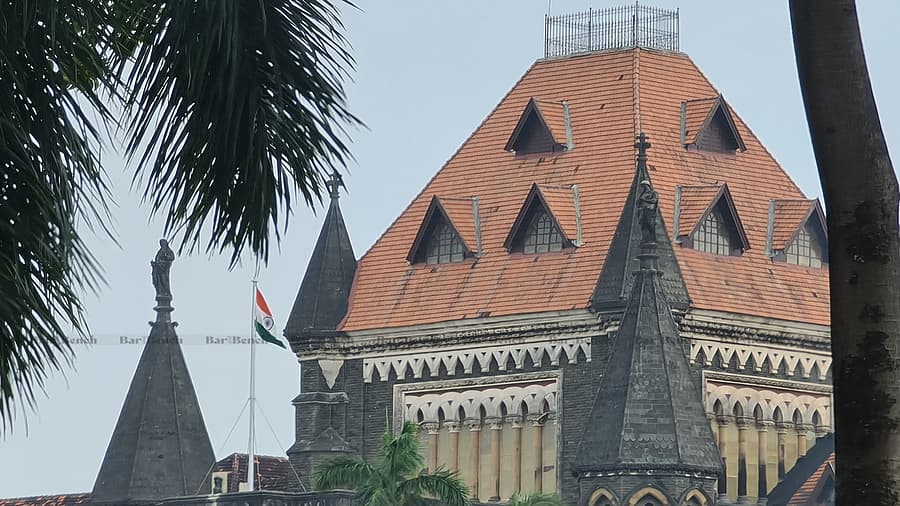
Bombay High Court: MPSC Exam Agitation, State's Duty to Uphold Recruitment Right
Summary
- The Bombay High Court affirmed the state government's duty to ensure impartial and malpractice-free public recruitment examinations.
- A division bench heard a writ petition regarding ongoing student agitations in Pune concerning Maharashtra Public Service Commission (MPSC) exams.
- The court stated that students have a legitimate right to agitate if they perceive unfairness or "hanky-panky" in examination processes.
- The ruling in Amit Supekar & Anr v. State of Maharashtra & Ors. emphasized the state's responsibility to streamline recruitment and restore public trust.
Bombay High Court Addresses MPSC Exam Agitation
The bench articulated that if students perceive examinations are not being conducted appropriately, or if they develop the impression of "hanky-panky," they are justified in protesting.
The Bombay High Court recently intervened in ongoing student protests in Pune, asserting the state's fundamental duty to ensure fairness in public recruitment examinations. A division bench, comprising Chief Justice Mahesh Chandra Tripathi and Justice Advait Sethna, made these significant observations while hearing a writ petition concerning agitations related to the Maharashtra Public Service Commission (MPSC) examinations. The case, titled Amit Supekar & Anr v. State of Maharashtra & Ors., brought to the forefront concerns over perceived irregularities in the MPSC exam process.
During the proceedings, the court highlighted that the state government is unequivocally obligated to conduct these crucial examinations impartially and free from any form of malpractice. This judicial stance emerged directly from the context of students expressing their grievances through protests, underscoring the judiciary's recognition of the gravity of such public concerns. The bench's remarks set a clear expectation for governmental accountability in maintaining the integrity of recruitment systems.
State's Imperative for Impartial Recruitment
The High Court emphasized that the state must provide an explicit assurance that all examinations it conducts are both impartial and fair, explicitly stating that there should be no malpractices. This directive extends beyond mere procedural compliance, calling for a "sincere effort in restoring trust" among the populace regarding the integrity of public service recruitment. The judiciary's pronouncement underscores a proactive responsibility on the part of the government to foster confidence in its administrative processes.
Furthermore, the bench clarified that the primary onus for ensuring that recruitment processes occur efficiently and are properly streamlined rests squarely with the state authorities. This implies a comprehensive responsibility, not just for conducting examinations, but for managing the entire recruitment pipeline effectively. The court's observations reinforce the Bombay High Court state duty impartial recruitment principle, demanding transparency and reliability in all stages of public sector hiring.
Upholding the Right to Protest Against Malpractice
Crucially, the Bombay High Court also affirmed the right of students to agitate when they feel aggrieved by the examination process. The bench articulated that if students perceive examinations are not being conducted appropriately, or if they develop the impression of "hanky-panky," they are justified in protesting. This right is particularly pertinent given the substantial time and effort students invest in their preparation, often dedicating countless hours to study.
The court's reasoning acknowledges the emotional and intellectual investment made by aspirants. It suggests that when students lack avenues for redress or genuinely believe in unfairness, their right to express dissent becomes a legitimate recourse. This recognition of the student right to agitate India against perceived MPSC exam malpractice protest provides a significant legal backing for collective action in challenging recruitment irregularities.
Broader Implications for Public Service Examinations
This ruling by the Bombay High Court carries substantial weight for the future of public service examinations across the state and potentially beyond. It establishes a clear legal precedent affirming both the state's non-negotiable obligation to ensure transparent and fair recruitment and the legitimate right of students to challenge perceived injustices. The decision strengthens the framework for accountability in governmental hiring processes, promoting Maharashtra Public Service Commission fairness.
By linking the state's duty to conduct impartial examinations with the students' right to protest malpractices, the court has provided a dual mechanism for upholding integrity. This judicial stance offers a legal basis for individuals and groups to scrutinize public recruitment procedures, ensuring that the principles of fairness and transparency are not merely aspirational but legally enforceable.
Practical Implications
This ruling provides a legal basis for challenging public recruitment processes in India, affirming both the state's duty to ensure impartial examinations and the right of aggrieved students to protest perceived malpractices. Lawyers can cite this precedent when advising clients on their rights in challenging unfair public sector recruitment or when representing state bodies on their obligations regarding transparent examination conduct.
Source
How does this affect you?
Get an AI analysis of this article grounded in your jurisdictions, practice areas, and any policy documents you've uploaded to Wansom.
Finish Reading the Full Story and the Expert Analysis.
Get the latest legal & regulatory intelligence in India
Wansom is AI and can make mistakes.