
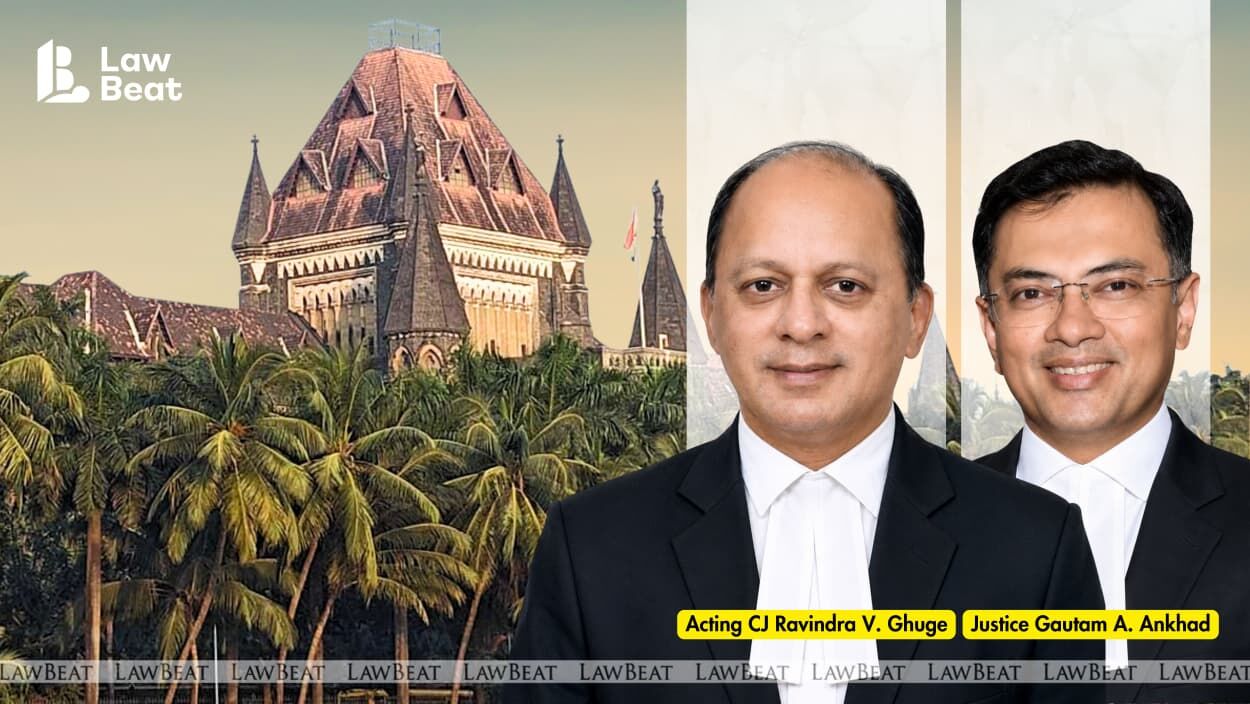
Bombay HC: Maharashtra FDA Ordered ₹5 Lakh Compensation for Unjust Suspension
Summary
- The Bombay High Court ordered the Maharashtra FDA to pay ₹5 lakh compensation to M/s Gurunanak Dairy & Sweets.
- The court quashed the sweet shop's food licence suspension, which had continued despite a re-inspection showing 98% compliance.
- The FDA had initially suspended the licence on June 12, 2026, following an inspection that found deficiencies.
- A re-inspection on July 13, 2026, after the shop submitted a compliance report, awarded 35 out of 36 marks.
- The High Court rejected the FDA's defense that the suspension continued due to a pending appeal, calling it an insufficient justification.
Court Orders Compensation for Unjustified Suspension
The court's decision to award ₹5 lakh compensation for arbitrary suspension damages underscores the judiciary's role in protecting businesses from undue administrative delays and non-compliance with established procedures, even when an appeal is technically pending.
The Bombay High Court has mandated the Maharashtra Food and Drug Administration (FDA) to pay ₹5 lakh in compensation to M/s Gurunanak Dairy & Sweets, a Pune-based sweet shop. This significant directive comes after the court determined that the FDA had unjustifiably prolonged the suspension of the shop's food licence, despite a subsequent inspection confirming a high level of compliance. The court not only ordered the compensation but also unequivocally quashed the suspension, thereby permitting the establishment to recommence its retail operations.
The legal proceedings unfolded before a Division Bench comprising Acting Chief Justice Ravindra V. Ghuge and Justice Gautam A. Ankhad. The sweet shop, which has been an active business since 2006, found its operations halted following an FDA inspection conducted on June 11-12, 2026. This inspection was prompted by a complaint concerning alleged food poisoning. Authorities identified several deficiencies during this initial visit, including issues related to sanitation, record-keeping, product labelling, and staff hygiene. Consequently, on June 12, the FDA suspended the shop's food licence and issued a directive for its immediate closure.
High Compliance Ignored by Regulators
Following the initial suspension, M/s Gurunanak Dairy & Sweets promptly initiated an appeal against the FDA's decision. As part of this process, the shop submitted a comprehensive compliance report on July 9, detailing the measures taken to rectify the deficiencies previously noted by the regulatory body. In response, the FDA conducted a fresh inspection of the premises on July 13.
This re-inspection yielded a highly favorable outcome for the sweet shop, with an auto-generated report awarding it 35 out of a possible 36 marks, translating to an impressive 98% compliance score. The only observation recorded in this report was that the petitioner was operating solely as a retailer and would need to modify its licence to remove the manufacturing category. Despite this overwhelmingly positive re-inspection report, the Maharashtra FDA inexplicably failed to revoke the suspension of the shop's food licence, leaving the business in an unwarranted state of closure.
Judicial Scrutiny of Administrative Action
Before the High Court, the State of Maharashtra attempted to justify the continued suspension by citing the pendency of the petitioner's appeal before the Commissioner, Food and Drug Administration. The State informed the court that this appeal had already been heard and was awaiting judgment, having been closed on August 11, 2026. It further contended that the shop's application to remove the “general manufacturing” category from its food licence had not been processed due to the ongoing appeal.
The Bombay High Court, however, found these explanations unconvincing and critically questioned the FDA's stance. The Bench pointed out a fundamental inconsistency: if the pendency of the appeal did not prevent the authorities from conducting a re-inspection of the premises, then it should similarly not serve as an impediment to revoking the retail food licence suspension. The court emphasized that once the shop had achieved a 98% compliance score, the regulatory body was obligated to issue an immediate order recalling the suspension.
The court characterized the reliance on the pending appeal as an insufficient and weak justification, asserting that the demonstrated rectification of deficiencies provided a lawful basis for prompt revocation. The court also referenced its earlier judgment in `M/s Pind Punjab v. Union of India & Ors.`, where a similar scenario involving cured deficiencies and full compliance had been addressed, highlighting a pattern of judicial review challenging arbitrary administrative action in India.
Precedent for Arbitrary Suspension Damages
In light of the arbitrary and prolonged suspension, the High Court ordered the Maharashtra FDA to pay ₹5 lakh in compensation to M/s Gurunanak Dairy & Sweets. The petitioner had informed the court that it was a small business generating approximately ₹25,000 daily and had suffered losses for about 35 days due to the unwarranted closure, estimating its total financial detriment at around ₹9 lakh. The court's decision to award ₹5 lakh compensation for arbitrary suspension damages underscores the judiciary's role in protecting businesses from undue administrative delays and non-compliance with established procedures, even when an appeal is technically pending.
This ruling by the Bombay High Court establishes a significant precedent for challenging administrative actions, particularly licence suspensions, when a business demonstrates high compliance. It reinforces the principle that regulatory bodies like the Maharashtra FDA cannot indefinitely withhold the revocation of a suspension based on procedural technicalities once the core compliance issues have been resolved. The judgment serves as a clear signal that courts may intervene and award compensation for business losses incurred due to unjustified administrative inaction, promoting greater accountability in food licence compliance in India.
Practical Implications
This ruling establishes a precedent for challenging arbitrary or prolonged administrative actions, particularly licence suspensions, when a business demonstrates high compliance. Lawyers should advise clients that courts may intervene and award compensation for business losses caused by unjustified administrative delays or failures to revoke suspensions, even if an appeal is pending. Compliance officers should review internal procedures to ensure timely revocation of suspensions upon demonstrated compliance to mitigate legal and financial risks.
Source
How does this affect you?
Get an AI analysis of this article grounded in your jurisdictions, practice areas, and any policy documents you've uploaded to Wansom.
Finish Reading the Full Story and the Expert Analysis.
Wansom is AI and can make mistakes.