
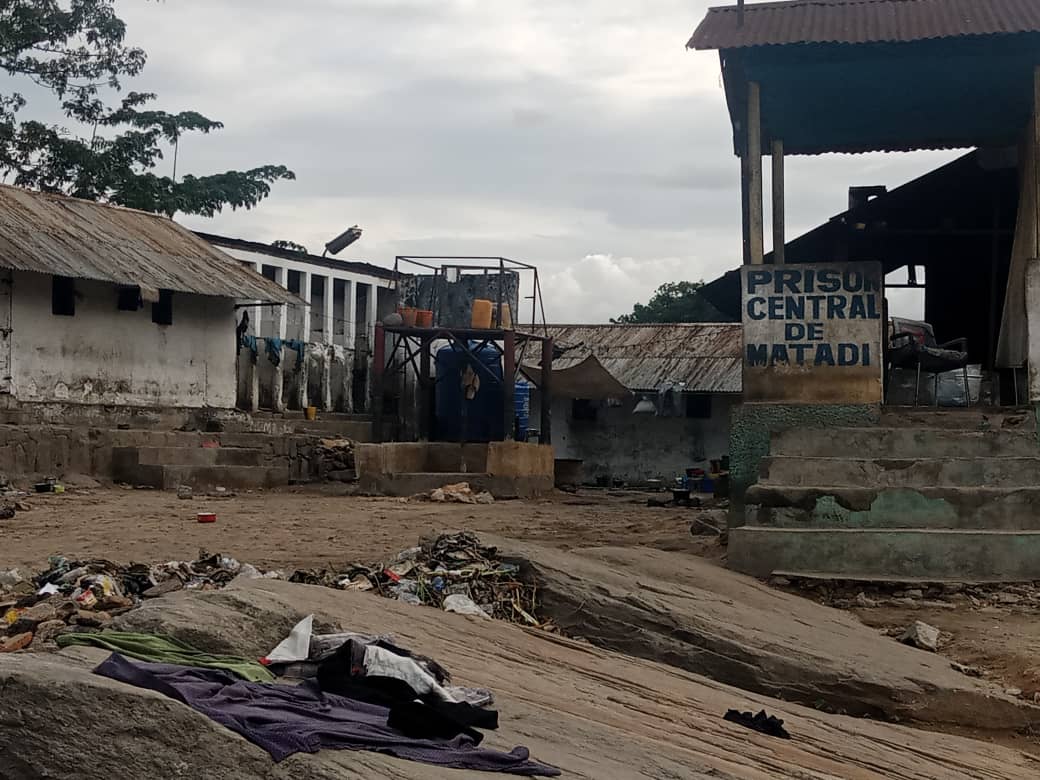
DRC: Boma Prison Detainee Rights Training Improves Conditions
Summary
- Approximately 50 penitentiary agents and human rights defenders attended a workshop in Boma, DRC, on August 22, focused on protecting detainee rights.
- Organized by Avocats des droits de l’homme (ADH) with support from Diakonia, the training aimed to improve detention practices and prevent human rights violations.
- Boma prison facilities face severe challenges, including unsanitary conditions, lack of lighting, poor infrastructure, and limited medical access, prompting calls for new construction and more medical staff.
- The training clarified the responsibilities of all stakeholders in safeguarding the fundamental rights and human dignity of individuals deprived of liberty.
Training for Detainee Rights in Boma
Through this comprehensive program, ADH underscored a fundamental principle to penitentiary managers: the act of depriving an individual of liberty does not, under any circumstances, negate their fundamental rights or their inherent right to human dignity.
A significant workshop recently convened in Boma, located in the Kongo-Central province, bringing together approximately fifty individuals comprising penitentiary staff members and dedicated human rights advocates. This crucial gathering, held on Saturday, August 22, was specifically designed to enhance the protection of individuals held in detention.
The non-governmental organization Avocats des droits de l’homme (ADH) took the lead in organizing this initiative, receiving vital support from the international organization Diakonia. Organizers articulated that the core purpose of the training was twofold: to refine existing detention practices and to proactively prevent human rights violations within the confines of correctional facilities, thereby striving for a more humane environment for detainees.
Addressing Dire Prison Conditions and Staff Responsibilities
This timely training session unfolds against a backdrop of severe challenges plaguing penitentiary institutions across Boma. These facilities are currently contending with a multitude of issues, including pervasive unsanitary conditions, a critical lack of adequate lighting, and significantly dilapidated infrastructure. Furthermore, detainees face severely restricted access to essential medical care, exacerbating an already precarious situation.
A health professional who participated in the workshop voiced an urgent appeal for governmental intervention, highlighting the alarming deterioration of conditions within Boma prison. This participant specifically detailed that the hygienic facilities are in an extremely poor state, and critically, cells are devoid of any illumination, posing significant risks to health and safety. The health agent further recommended the construction of a completely new prison facility and called for the consistent presence of qualified medical personnel, including laboratory technicians, nurses, and doctors, to address the dire health needs of the incarcerated population.
Beyond the immediate physical conditions, the training comprehensively addressed the specific duties and obligations incumbent upon the various actors involved in the care and management of detainees. Gabriel Makiesse, who serves as the coordinator for the Fédération congolaise des droits de l’homme et de développement (FCDHD), underscored that a primary objective of the program was to ensure every stakeholder gained a thorough understanding of their individual and collective roles in safeguarding the fundamental rights of those deprived of their liberty.
Reinforcing Fundamental Rights in Detention
A central tenet reinforced throughout this comprehensive program by ADH was a critical message directed at penitentiary managers: the act of depriving an individual of their liberty does not, under any circumstances, diminish or negate their fundamental rights or their inherent right to human dignity. This principle serves as a cornerstone for ethical and legal detention practices.
This emphasis on the non-derogable nature of detainee rights carries significant legal and practical implications, aiming to foster improved conditions and ensure greater accountability within the correctional system. By clearly articulating these responsibilities and reinforcing the established legal framework, the training endeavors to cultivate an environment where the basic entitlements of incarcerated individuals are consistently respected. Ultimately, such initiatives are vital for contributing to the development of a more just and humane penitentiary system throughout the Democratic Republic of Congo.
Practical Implications
This training underscores the legal obligations of penitentiary staff regarding detainee rights in Boma, DRC. Lawyers representing detainees can leverage this reinforced awareness and clarified responsibilities to advocate for improved conditions or challenge violations, potentially citing the standards emphasized during this program.
Source
How does this affect you?
Get an AI analysis of this article grounded in your jurisdictions, practice areas, and any policy documents you've uploaded to Wansom.
Wansom is AI and can make mistakes.