
Boineelo Baakisi: Denied Bail in Botswana Cannabis Charge
Summary
- Boineelo Rebaone Baakisi, 34, pleaded not guilty to unlawful possession of 47.3 kilograms of cannabis found in his vehicle on December 1, 2023.
- The Thamaga Magistrates' Court denied Mr. Baakisi bail on February 29, 2024, citing the large quantity as indicative of trafficking and a flight risk.
- Botswana's Drugs and Related Substances Act of 2018 imposes a maximum fine of P500,000 and up to 25 years imprisonment for possessing 60 grams or more of cannabis.
- The 47.3 kg seizure significantly exceeds the 60-gram threshold, placing the case in the highest penalty tier.
- The trial continues on March 14, 2024, and is being monitored for insights into prosecutorial and judicial approaches to large-scale drug seizures in Botswana.
What Happened
The 47.3 kilograms allegedly found in Mr. Baakisi's vehicle far surpasses the 60-gram threshold, placing his case firmly within the higher penalty bracket.
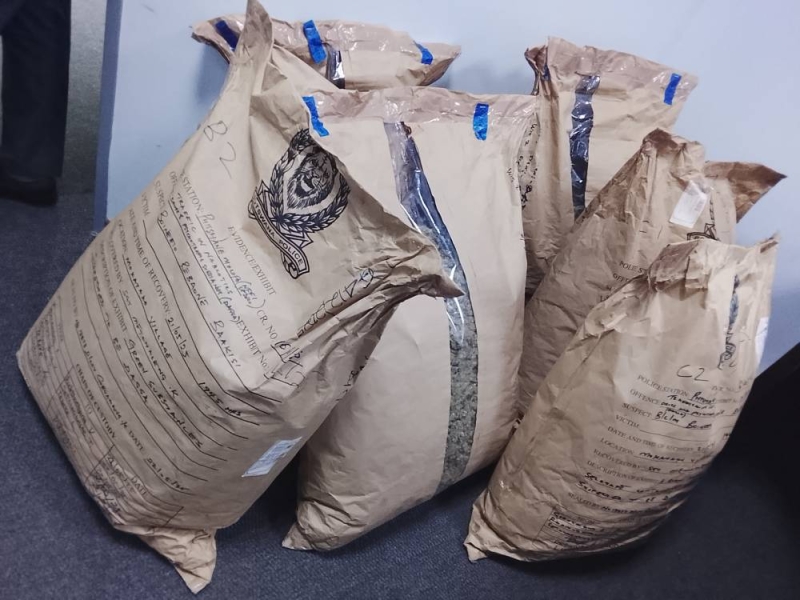
Boineelo Rebaone Baakisi, a 34-year-old resident of Thamaga, has entered a plea of not guilty to a charge of unlawful possession of cannabis. The accusation stems from an incident on December 1, 2023, when police allegedly discovered a substantial quantity of the drug, specifically 47.3 kilograms, within his vehicle. This significant Thamaga cannabis seizure has brought Mr. Baakisi before the Thamaga Magistrates' Court, where his case is currently being heard.
During his appearance on February 29, 2024, Magistrate Gorata Boikhutso presided over the proceedings. Inspector Lucky Maatla, representing the prosecution, strongly opposed bail for Mr. Baakisi. The prosecutor highlighted the considerable amount of cannabis involved, arguing that the 47.3 kg quantity suggested an intent to traffic rather than merely possess for personal use. This argument was central to the prosecution's assertion that Mr. Baakisi posed a flight risk, could potentially interfere with ongoing investigations, or might commit further offenses if released.
Defense attorney Ofentse Khumotaka represented Mr. Baakisi during the bail hearing. Despite the defense's arguments, the court ultimately sided with the prosecution, denying bail. The decision to keep Mr. Baakisi in custody underscores the seriousness with which the court views cases involving such large quantities of controlled substances. The Boineelo Rebaone Baakisi trial is set to continue, with the next court date scheduled for March 14, 2024, for a status update on the matter.
Legal Context
The legal framework governing drug offenses in Botswana is primarily established by the Drugs and Related Substances Act of 2018. This legislation outlines specific penalties for unlawful possession of cannabis, which vary significantly based on the quantity of the drug involved. The Act creates a clear distinction between smaller amounts, likely intended for personal use, and larger quantities that suggest involvement in drug trafficking.
Under Botswana drug possession law, individuals found with less than 60 grams of cannabis face a potential fine of up to P5,000, imprisonment for up to three years, or both. However, the penalties escalate dramatically for quantities exceeding this threshold. For the unlawful possession cannabis BW of 60 grams or more, the Act prescribes a maximum fine of P500,000, imprisonment for up to 25 years, or both. This tiered penalty structure is crucial in understanding the gravity of the charges against Mr. Baakisi.
The 47.3 kilograms allegedly found in Mr. Baakisi's vehicle far surpasses the 60-gram threshold, placing his case firmly within the higher penalty bracket. This fact was a key component of the prosecutor's argument against bail, as it directly implicates the severe potential consequences under Botswana drug trafficking thresholds. The prosecutor's emphasis on the quantity as indicative of trafficking, despite the initial charge being possession, highlights how the legal system interprets and prosecutes such cases.
Why It Matters
The Boineelo Baakisi cannabis charge Botswana is a significant case that offers insights into the enforcement and judicial interpretation of drug laws within the country. The prosecutor's strong stance against bail, predicated on the sheer volume of the alleged seizure, underscores the judiciary's increasing vigilance against large-scale drug activities. This case could serve as a bellwether for how Botswana's courts will handle similar high-quantity drug possession charges in the future, particularly regarding the distinction between possession and trafficking intent.
Lawyers advising clients on drug possession charges in Botswana should monitor this case for insights into prosecutorial tactics and potential judicial interpretations regarding large-scale cannabis seizures and their classification. The outcome of Mr. Baakisi's trial, including any eventual sentencing, will provide valuable precedents on how the Drugs and Related Substances Act of 2018 is applied to substantial quantities of illicit substances. It will also shed light on the factors that influence bail decisions in such serious matters, where the risk of absconding or re-offending is weighed heavily against the defendant's rights.
Furthermore, this case highlights the ongoing efforts by law enforcement in Botswana to combat the distribution of illegal drugs. The Thamaga cannabis seizure demonstrates the police's capacity to intercept significant quantities of narcotics, reinforcing the government's commitment to upholding its drug laws. The trial's progression will be closely watched by legal professionals and the public alike, as it navigates the complexities of evidence, intent, and the severe penalties prescribed for drug offenses in Botswana.
Practical Implications
Lawyers advising clients on drug possession charges in Botswana should monitor this case for insights into prosecutorial tactics and potential judicial interpretations regarding large-scale cannabis seizures and their classification.
Source
How does this affect you?
Get an AI analysis of this article grounded in your jurisdictions, practice areas, and any policy documents you've uploaded to Wansom.
Wansom is AI and can make mistakes.