
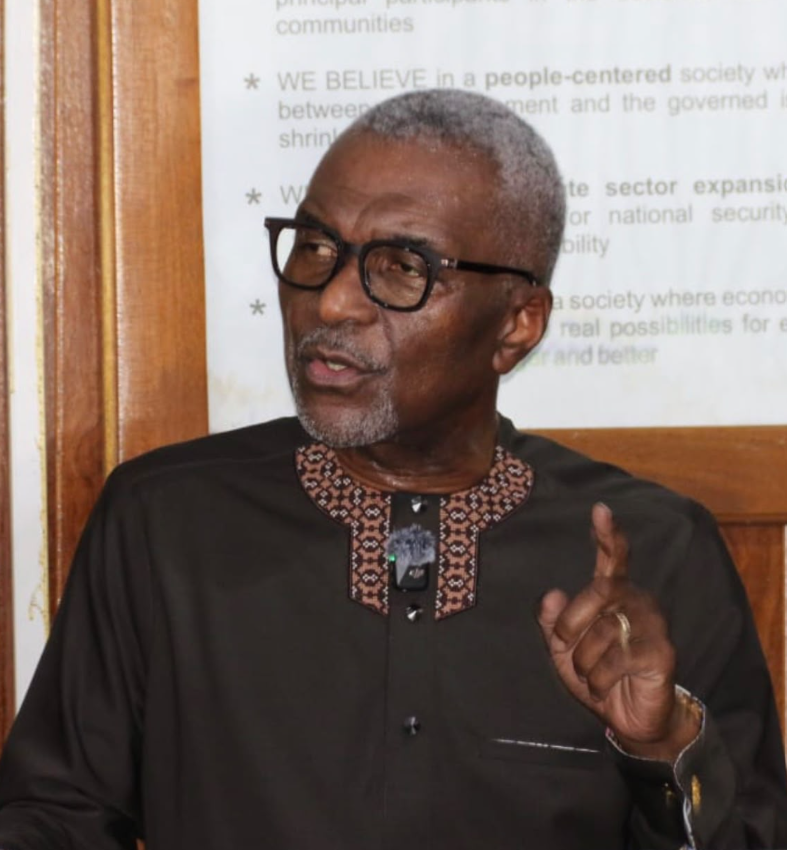
Boakai Signs Bea Mountain Infrastructure Deal: Liberia's Mineral Future Questioned
Summary
- President Joseph Nyuma Boakai signed a US$5.7 billion Master Infrastructure Development Agreement with Bea Mountain Mining Corporation.
- The deal proposes to finance infrastructure projects using Liberia's future mineral revenues.
- Opposition leader Alexander B. Cummings warned against the agreement, citing concerns over transparency, competitive bidding, and potential violations of the Public Procurement and Concessions Act.
- Cummings highlighted risks including significant fiscal liabilities, environmental issues, and governance concerns.
- Bea Mountain Mining Corporation is a subsidiary of Avesoro Resources, linked to Turkey’s Günal family.
Controversial Infrastructure Pact Signed
He underscored that infrastructure development is never truly 'free,' and the critical question remains whether Liberia will receive fair value for the resources future generations will be required to relinquish.
President Joseph Nyuma Boakai recently formalized a proposed Master Infrastructure Development Agreement (MIDA) with Bea Mountain Mining Corporation, a move that has quickly drawn sharp criticism. The agreement, signed by the President in the presence of several high-ranking government officials including Justice Minister Betty Lamin Blamo, Finance and Development Planning Minister Augustine Kpehe Ngafuan, Mines and Energy Minister Matenokay Tingban, National Investment Commission Chairman Morley Kamara, and Presidential Legal Adviser Bushuben Keita, outlines a US$5.7 billion infrastructure initiative.
This substantial deal is structured to finance infrastructure projects using Liberia's future mineral revenues. Bea Mountain Mining Corporation operates as a subsidiary of Avesoro Resources, a privately held mining entity with connections to Turkey’s Günal family and its associated business networks, including the MNG and Mapa groups. The signing of this agreement immediately preceded a public warning issued by a prominent political figure.
Political Leader Raises Alarm
Alexander B. Cummings, the Political Leader of the Alternative National Congress (ANC), publicly cautioned President Boakai against what he termed 'mortgaging Liberia’s future' through the Bea Mountain deal. Speaking from the ANC headquarters in Monrovia, Cummings characterized the government's decision as profoundly serious, asserting that the proposed arrangement raises critical questions concerning the administration, ownership, and ultimate use of Liberia's valuable mineral resources.
While acknowledging Liberia's pressing need for improved infrastructure, such as roads and electricity, Cummings emphasized that the nation's developmental aspirations should not compromise transparency, sound financial management, or the welfare of future generations. He invoked a biblical analogy, warning against becoming an 'Esau Generation' that trades long-term national assets for immediate gratification. He argued that committing decades of prospective national revenues to an infrastructure scheme without first verifying adequate value and sufficient safeguards risks a significant national misstep.
Financial and Legal Scrutiny
Cummings specifically challenged the proposed financing model, which aims to fund the US$5.7 billion in infrastructure projects through future revenues from Liberia’s natural resources. He noted that while the approach might appear appealing by not requiring immediate national budget outlays, the government has a responsibility to clarify the true financial costs and long-term implications before proceeding. He underscored that infrastructure development is never truly 'free,' and the critical question remains whether Liberia will receive fair value for the resources future generations will be required to relinquish.
Among the specific concerns articulated were potential breaches of the Public Procurement and Concessions Act, the absence of competitive bidding processes, inadequate independent valuation and engineering assessments, and the possibility of inflated infrastructure pricing. Furthermore, Cummings highlighted significant fiscal and contingent liabilities, environmental and social risks, governance issues, and potential conflicts of interest. He also expressed apprehension that future national revenues could be pledged outside established public debt transparency mechanisms, leaving Liberia's ultimate financial exposure unclear.
Implications for National Wealth
The controversy surrounding the Boakai Bea Mountain infrastructure deal underscores a broader debate about the responsible management of Liberia's natural wealth and the long-term economic sovereignty of the nation. The commitment of future mineral revenues for such a substantial period raises fundamental questions about intergenerational equity and the prudent stewardship of national assets.
This agreement, therefore, is not merely about constructing infrastructure; it is about setting a precedent for how Liberia leverages its natural resources for development, balancing urgent needs with the imperative to protect the country's financial and environmental future. The warnings issued by Alexander Cummings highlight the critical importance of rigorous due diligence, transparency, and adherence to established legal frameworks like the Public Procurement and Concessions Act in all large-scale investments impacting the nation's strategic resources.
Practical Implications
Lawyers advising clients on large-scale infrastructure or mining investments in Liberia should be aware of the heightened political and public scrutiny regarding the transparency and legality of such agreements, particularly concerning compliance with the Public Procurement and Concessions Act. Compliance officers should note the warnings about potential fiscal liabilities, environmental risks, and governance issues, which could impact due diligence and risk assessments for future projects in the country.
Source
How does this affect you?
Get an AI analysis of this article grounded in your jurisdictions, practice areas, and any policy documents you've uploaded to Wansom.
Finish Reading the Full Story and the Expert Analysis.
Get the latest legal & regulatory intelligence in Liberia
Wansom is AI and can make mistakes.