
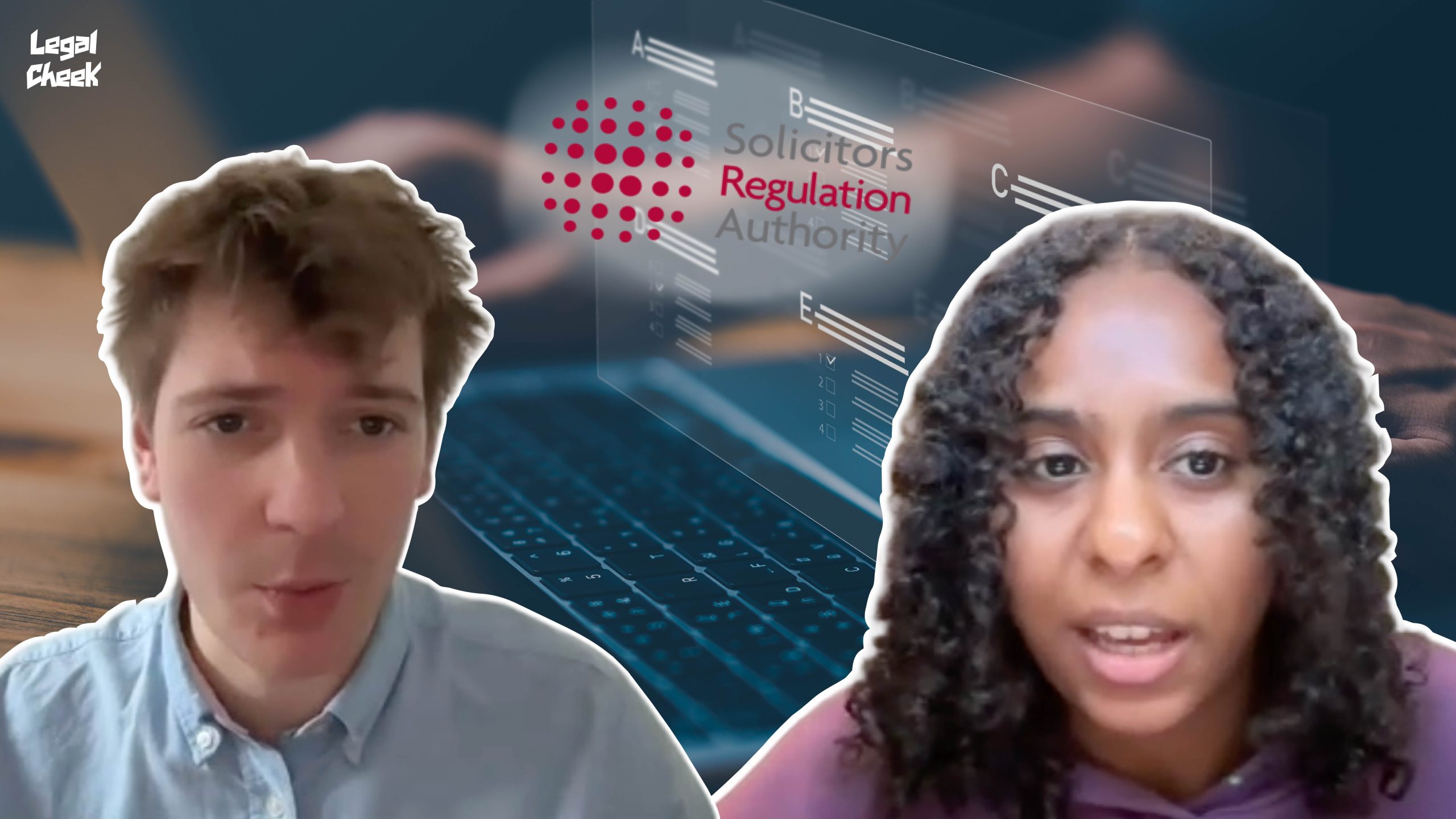
Big Changes Could Be Coming to the SQE. Do They Go Far Enough?
Summary
- The Solicitors Regulation Authority (SRA) has proposed significant reforms to the Solicitors Qualifying Examination (SQE).
- Key proposals include removing resit limits and allowing candidates to sit the two SQE1 papers separately.
- The SRA also plans to overhaul the existing six-year validity period for SQE results.
- These changes aim to address concerns about accessibility, exam costs, pass rates, and assessment flexibility.
- Discussions highlight potential impacts on aspiring solicitors, including financial burdens and the balance between flexibility and professional standards.
Significant Proposed Changes to Solicitor Qualification
The Solicitors Regulation Authority (SRA) has put forward significant proposed reforms to the Solicitors Qualifying Examination (SQE), signaling potential shifts in how aspiring lawyers qualify in England and Wales.
The Solicitors Regulation Authority (SRA) has put forward significant proposed reforms to the Solicitors Qualifying Examination (SQE), signaling potential shifts in how aspiring lawyers qualify in England and Wales. These Solicitors Qualifying Examination changes are currently under consideration and could reshape key aspects of the assessment process.
The SRA's proposals focus on three primary areas. Firstly, they suggest removing the existing limits on resits for the SQE, which would allow candidates more attempts to pass the required assessments. While this could offer greater flexibility, it also raises questions about the potential for mounting costs for individuals undertaking multiple attempts.
Secondly, the reforms propose allowing candidates to sit the two papers of SQE1 separately, rather than requiring them to be taken concurrently. This change, focusing on SQE1 separate papers, could enable test-takers to manage their study load more effectively and concentrate on one subject area at a time. Lastly, the SRA intends to overhaul the current six-year validity period for SQE results, a change to the SQE validity period that could either extend or modify the timeframe within which candidates must complete all stages of qualification after passing an assessment.
The Rationale Behind the Reforms
These SRA SQE proposed reforms are part of a broader discussion about the accessibility and standards of the legal profession. The proposals have already generated considerable debate, with platforms like The Legal Cheek Podcast dedicating episodes to unpacking their potential implications. Legal Cheek writers Nadia Ismail and Saul Agar-Ward, with Nadia drawing on her personal experience preparing for and sitting the SQE, explored these complex issues.
The core of the SRA's initiative appears to be an attempt to strike a balance between making the path to becoming a solicitor more attainable and upholding the rigorous professional standards expected of legal practitioners. Key questions being asked include whether these changes will genuinely enhance accessibility for a wider range of candidates, or if the removal of SRA resit limits might inadvertently lead to significant financial burdens for those who struggle to pass.
Furthermore, the discussions delve into whether increased flexibility in the assessment process could inadvertently compromise the perceived quality or competence of newly qualified solicitors. This ongoing dialogue highlights the delicate balance the SRA must maintain as it considers modifications to the qualification framework.
Broader Implications for Aspiring Solicitors
The potential impact of these reforms on aspiring solicitors is substantial, touching upon various aspects of their journey into the legal profession. Initial reactions from Legal Cheek readers have been mixed, reflecting a diverse range of opinions on whether the proposals adequately address existing challenges or introduce new ones.
These specific changes are also viewed in the context of wider, long-standing concerns within the legal education landscape. Aspiring lawyers and educators alike have voiced issues regarding the substantial costs associated with the SQE, the overall pass rates, and the inherent flexibility—or lack thereof—in the current assessment structure. The SRA's proposals aim to directly tackle some of these critical points.
Ultimately, the outcome of these proposed reforms will significantly influence the pipeline of new solicitors entering the profession and could redefine the perceived standards of qualification. Law firms and legal educators are closely monitoring these developments, as they could necessitate adjustments in training programs and recruitment strategies to align with the evolving requirements for solicitor qualification.
Practical Implications
Law firms and legal educators should monitor the Solicitors Regulation Authority's proposed SQE reforms, particularly regarding resit limits, separate paper sittings, and validity periods, as these changes could significantly impact the pipeline of new solicitors and the perceived standards of qualification.
Source
How does this affect you?
Get an AI analysis of this article grounded in your jurisdictions, practice areas, and any policy documents you've uploaded to Wansom.
Finish Reading the Full Story and the Expert Analysis.
Get the latest legal & regulatory intelligence in United Kingdom
Wansom is AI and can make mistakes.