
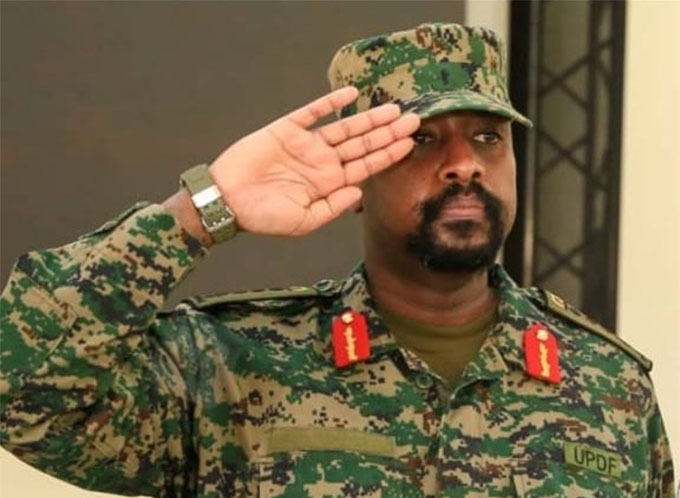
Besigye sues Muhoozi over lawyer Martha Karua’s deportation
Abstract
Dr. Kizza Besigye has initiated legal proceedings against General Muhoozi Kainerugaba, the Chief of Defence Forces (CDF), following the deportation of Kenyan lawyer Martha Karua. Karua was reportedly denied entry into Uganda on June 22, 2026, where she was scheduled to represent Besigye and Hajji Obeid Lutale Kamulegeya in a legal matter. This high-profile case raises critical questions regarding the constitutional right to legal representation, the scope of state power in immigration matters, and the limits of military authority in civilian affairs. The suit challenges the legality of Karua's deportation and seeks to affirm the fundamental right of litigants to choose their counsel, irrespective of nationality, within the framework of Ugandan law and regional agreements.
Introduction
In a significant legal development that has captured national attention, Dr. Kizza Besigye, a prominent Ugandan opposition figure, has filed a lawsuit against General Muhoozi Kainerugaba, the Chief of Defence Forces (CDF), over the deportation of Kenyan lawyer Martha Karua. Karua, a distinguished legal professional, arrived at Entebbe International Airport on June 22, 2026, with the express purpose of representing Besigye and his co-accused, Hajji Obeid Lutale Kamulegeya, in an ongoing legal case. Her abrupt deportation has ignited a fierce debate about the sanctity of legal representation and the boundaries of state authority.
This incident is not merely an immigration dispute; it is a profound challenge to the rule of law, the constitutional right to a fair hearing, and the potential overreach of state security organs into judicial processes. The involvement of the CDF in an immigration matter, traditionally handled by civilian authorities, adds a layer of complexity and concern regarding the separation of powers and the militarization of civil administration. The outcome of this case will have far-reaching implications for legal practitioners, human rights advocates, and the broader political landscape in Uganda.
This article will delve into the legal framework governing immigration and legal practice in Uganda, examine the constitutional guarantees for legal representation, and scrutinize the statutory powers of the Chief of Defence Forces. By analyzing these critical legal dimensions, we aim to provide a comprehensive understanding of the legal grounds underpinning Besigye's challenge and the potential ramifications for the protection of fundamental rights and the integrity of the justice system in Uganda.
Background
The legal landscape surrounding immigration and professional practice in Uganda is primarily governed by several key statutes. The Uganda Citizenship and Immigration Control Act, Cap. 66, is the principal legislation regulating citizenship, immigration control, entry permits, and deportation of aliens. This Act establishes the National Citizenship and Immigration Board and outlines the powers vested in immigration officers and the Minister responsible for internal affairs to manage the entry, stay, and exit of non-citizens. Decisions concerning deportation are typically made by the Minister, who may order any prohibited immigrant or person whose presence is unlawful to be deported.
Regarding legal practice, the Advocates Act, Cap. 267, dictates that only persons enrolled as Advocates of the High Court of Uganda may appear in court, provide legal advice for reward, or hold themselves out as legal practitioners. Foreign lawyers seeking to practice in Uganda must meet specific requirements, including obtaining a certificate from the Chief Justice of Uganda's Supreme Court and clearance from the Uganda Law Council. While foreign law degrees, particularly from Commonwealth jurisdictions, may be recognized, foreign lawyers are generally required to complete the post-graduate Diploma in Legal Practice from the Law Development Centre (LDC) and pass the Bar Course, or meet other conditions depending on their years of experience in a common law jurisdiction.
Crucially, the Constitution of the Republic of Uganda, 1995, enshrines the right to a fair hearing under Article 28, which includes the right for an accused person to be represented by a lawyer of their choice at their own expense. This fundamental right is central to Besigye's claim. The Chief of Defence Forces (CDF), currently General Muhoozi Kainerugaba, is the highest-ranking uniformed officer in the Uganda People's Defence Forces (UPDF), responsible for the command, control, coordination, and administration of the armed forces under the President as Commander-in-Chief. The CDF's powers are primarily military in nature, outlined in the Uganda Peoples' Defence Forces Act, 2005, and do not typically extend to civilian immigration enforcement, which falls under the Ministry of Internal Affairs and the National Citizenship and Immigration Board. The High Court of Uganda possesses unlimited original jurisdiction and, under the Judicature Act, Cap. 13, has powers of judicial review to supervise administrative decisions, ensuring legality, rationality, and procedural propriety.
Analysis
The lawsuit filed by Dr. Kizza Besigye against General Muhoozi Kainerugaba presents a multi-faceted legal challenge, primarily centered on the alleged unlawful deportation of Martha Karua and its impact on the right to legal representation. The core legal arguments are likely to revolve around the constitutional right to a fair hearing, the procedural legality of the deportation, and the proper scope of the CDF's authority.
Firstly, Article 28 of the Constitution of Uganda guarantees every person the right to a fair hearing, which explicitly includes the right to be represented by a lawyer of one's choice. The deportation of Karua, who was specifically engaged to represent Besigye and Lutale, directly impinges upon this fundamental right. The state would need to demonstrate that Karua's entry or presence was genuinely unlawful under the Uganda Citizenship and Immigration Control Act, Cap. 66, and that due process was strictly followed in issuing a deportation order. The Act empowers the Minister to order deportation, but such orders must be based on a person being a “prohibited immigrant” or their presence being “unlawful,” and must adhere to established procedures. Any deviation from these procedures, or an arbitrary exercise of power, could render the deportation illegal.
Secondly, the involvement of General Muhoozi Kainerugaba, the Chief of Defence Forces, in an immigration matter is a critical point of contention. The CDF's mandate, as outlined in the Uganda Peoples' Defence Forces Act, 2005, and the Constitution, is primarily to command, control, coordinate, and administer the armed forces for national defence and security. Immigration control falls under the purview of the National Citizenship and Immigration Board and the Minister of Internal Affairs. Besigye's suit will likely argue that the CDF acted ultra vires, exceeding his statutory and constitutional authority by intervening in a civilian immigration matter. Previous instances have seen critics accuse General Kainerugaba of overstepping his mandate, particularly through public statements and actions that venture beyond traditional military roles.
Thirdly, while the Advocates Act, Cap. 267, sets out stringent requirements for foreign lawyers to practice in Uganda, including obtaining a certificate from the Chief Justice and clearance from the Law Council, the issue here is not necessarily Karua's long-term enrollment to practice generally. Rather, it concerns her temporary entry to provide specific legal representation in a particular case, which might be governed by different rules or the overarching constitutional right to counsel. The East African Community (EAC) Common Market Protocol aims for the free movement of persons and services, including legal services, but specific mutual recognition agreements for legal professionals are still subject to national regulations and ongoing negotiations. However, even without full mutual recognition, the right to choose counsel for a specific case, especially for an accused person, is a distinct constitutional guarantee.
Finally, the High Court's jurisdiction for judicial review, as provided by the Judicature Act, Cap. 13, allows it to scrutinize administrative decisions for illegality, irrationality, or procedural impropriety. Besigye's application for judicial review would seek orders such as certiorari to quash the deportation decision, or mandamus to compel the state to allow Karua's entry. The success of the application will depend on the court's assessment of whether the CDF's actions were within the law, whether Karua's deportation violated Besigye's constitutional rights, and whether proper administrative procedures were observed.
Conclusion
The legal challenge initiated by Dr. Kizza Besigye against General Muhoozi Kainerugaba over Martha Karua's deportation is a pivotal case with significant implications for legal practitioners and the broader legal framework in Uganda. It underscores the ongoing tension between state security interests and fundamental human rights, particularly the right to legal representation. For legal professionals, this case highlights the potential vulnerabilities faced by foreign counsel in politically sensitive matters and reinforces the critical importance of upholding due process and constitutional guarantees.
Practitioners must closely monitor the court's interpretation of the Chief of Defence Forces' powers and the extent to which military authority can intersect with civilian immigration and judicial processes. The ruling will inevitably shape the landscape for cross-border legal representation within the East African Community, emphasizing the need for clear, consistent application of immigration laws and adherence to regional protocols on the movement of professionals. The outcome will serve as a crucial indicator of the judiciary's resolve in safeguarding constitutional rights against potential executive or military overreach. It is imperative for all stakeholders to advocate for strict adherence to the rule of law, ensuring that the right to a fair hearing and access to chosen legal counsel remain inviolable principles within Uganda's justice system.
Citations
- 1.Uganda Citizenship and Immigration Control Act, Cap. 66
- 2.Advocates Act, Cap. 267
- 3.Constitution of the Republic of Uganda, 1995, Article 28
- 4.Judicature Act, Cap. 13
- 5.Uganda Peoples' Defence Forces Act, 2005
- 6.East African Community Common Market Protocol
How does this affect you?
Get an AI analysis of this article grounded in your jurisdictions, practice areas, and any policy documents you've uploaded to Wansom.
Wansom is AI and can make mistakes.