
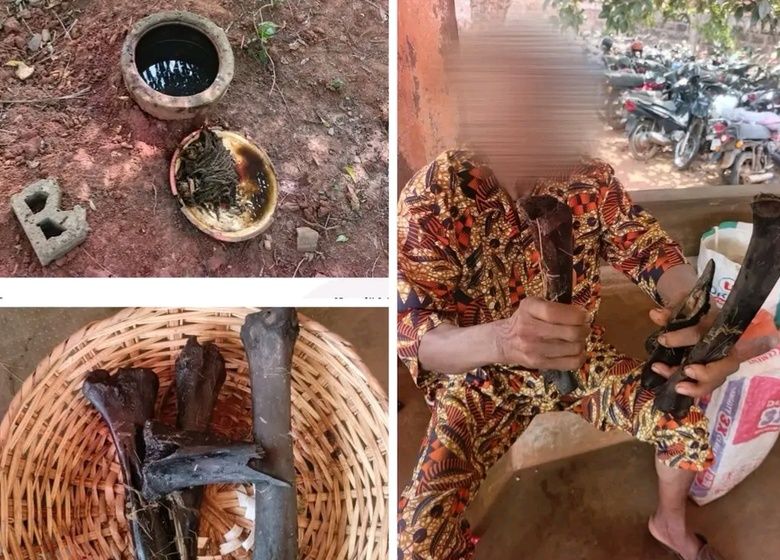
Tori-Bossito: Human Bone Trafficking Arrest Leads to Detention Order
Summary
- An individual was arrested in Tori-Bossito, Benin, on October 26, 2026.
- The arrest led to a formal detention order for alleged human bone trafficking.
- Beninese authorities are actively enforcing laws against the illicit trade of human remains.
- The incident highlights the serious legal consequences, including pre-trial detention, for such offenses in Benin.
Recent Developments in Tori-Bossito
The active enforcement against human trafficking-related offenses, specifically involving human remains, means that robust defense strategies are essential.
An individual has been taken into custody following an arrest in the commune of Tori-Bossito, Benin. The apprehension took place on Monday, October 26, 2026, leading to the suspect being placed under a formal detention order. This legal action signifies a significant step in the judicial process, indicating that authorities have deemed sufficient grounds for pre-trial incarceration.
The individual faces serious allegations of involvement in the trafficking of human bones. This specific charge, trafic ossements humains Bénin, underscores the gravity of the alleged criminal activity. The issuance of a mandat de dépôt Tori-Bossito ensures the suspect remains detained while investigations proceed and formal charges are prepared.
Legal Framework and Enforcement
Benin's criminal law system treats offenses related to human remains trafficking with extreme seriousness. Such activities are not only deeply unethical but also carry substantial penalties, reflecting societal condemnation and the state's commitment to preserving human dignity even after death. The legal framework in place is designed to deter and punish those who engage in the illicit trade of human bones.
The "mandat de dépôt" is a critical instrument within the Beninese judicial process, authorizing the provisional detention of an individual. This measure is typically applied when there is strong evidence suggesting involvement in a crime and a perceived risk, such as flight or obstruction of justice. Its application in this case highlights the perceived strength of the evidence gathered by law enforcement regarding the alleged human remains trafficking charges.
Broader Implications of the Arrest
This recent Tori-Bossito human bone trafficking arrest serves as a clear indicator of the Beninese authorities' proactive stance against such illicit practices. It demonstrates a sustained effort to combat criminal networks involved in the trade of human remains, which can often be linked to various forms of organized crime or ritualistic activities. The swift action taken in Tori-Bossito sends a strong message to potential offenders across the nation.
The incident underscores the ongoing vigilance of law enforcement agencies in monitoring and disrupting activities that violate fundamental human rights and societal norms. The focus on human remains trafficking charges reflects a commitment to upholding public order and ensuring that those who exploit human dignity for illicit gain are brought to justice. This particular case in Tori-Bossito is a testament to that resolve.
Considerations for Legal Professionals
For criminal defense lawyers operating within Benin, particularly in regions like Tori-Bossito, this development signals the heightened legal risks associated with human remains trafficking. The immediate issuance of a detention order, or mandat de dépôt, illustrates the judiciary's readiness to impose pre-trial incarceration for individuals implicated in such grave offenses. Legal practitioners must therefore be acutely aware of the severe consequences their clients could face.
The active enforcement against human trafficking-related offenses, specifically involving human remains, means that robust defense strategies are essential. Lawyers advising clients in Benin on matters concerning criminal law Benin should emphasize the potential for immediate and prolonged detention, as demonstrated by this case. Understanding the nuances of human remains trafficking charges and the procedural steps following an arrest in this context is paramount for effective legal representation.
Practical Implications
This development signals active enforcement against human trafficking-related offenses, specifically involving human remains, in Benin. Criminal defense lawyers should be aware of the legal risks and potential for detention associated with such activities, particularly in the Tori-Bossito region.
Source
How does this affect you?
Get an AI analysis of this article grounded in your jurisdictions, practice areas, and any policy documents you've uploaded to Wansom.
Finish Reading the Full Story and the Expert Analysis.
Wansom is AI and can make mistakes.