
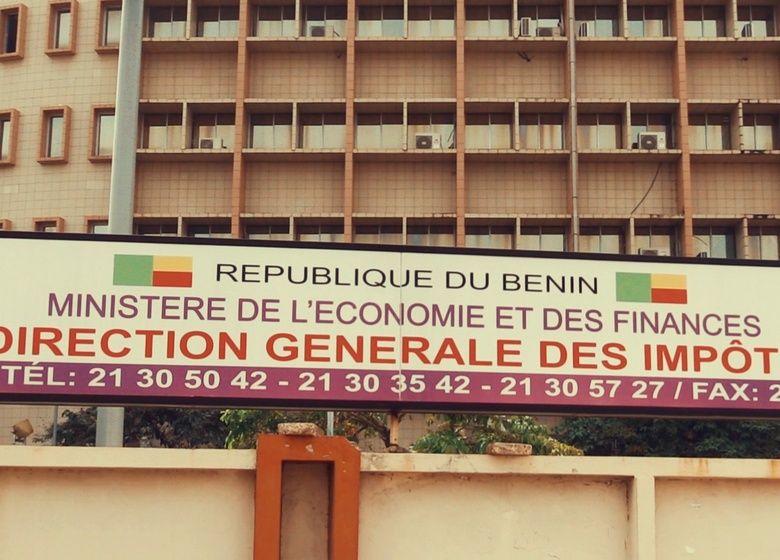
Bénin DGI: New 5% AIB for Non-Contribuables on Invoices
Summary
- Bénin's Direction générale des impôts (DGI) introduced a new 5% Acompte sur impôts assis sur les bénéfices (AIB) levy.
- This levy applies to individuals and legal entities not registered in the taxpayer file.
- The 5% AIB is collected when these unregistered entities issue standardized invoices.
- The measure became effective on Monday, September 7th.
- This change aims to broaden the tax base and enhance revenue collection in Bénin.
What Happened
The introduction of this direct tax obligation means that entities previously considered 'non-contribuables' are now directly impacted by the AIB, necessitating a thorough review of their operational and financial practices.
The Direction générale des impôts (DGI) in Bénin recently implemented a significant change to the nation's tax collection mechanisms. Effective Monday, September 7th, a 5% levy on the Acompte sur impôts assis sur les bénéfices (AIB) began to be applied. This new fiscal requirement is specifically triggered during the issuance of standardized invoices, marking a notable expansion of tax obligations within the country.
This measure targets a particular segment of economic actors: individuals and legal entities that are not formally recognized within the official taxpayer registry. By linking the AIB collection to the issuance of standardized invoices, the Direction générale des impôts Bénin is extending its reach to entities that might previously have operated without direct tax contributions, despite engaging in commercial activities that necessitate formal invoicing. The introduction of this 5% AIB on non-contribuables represents a direct effort to broaden the tax base and enhance revenue collection.
Legal and Regulatory Context
The Acompte sur impôts assis sur les bénéfices (AIB) traditionally functions as an advance payment on corporate or individual income tax, typically applied to registered taxpayers. However, the recent fiscalité Bénin changements introduce a novel application of this mechanism. The DGI's directive now mandates the collection of this 5% AIB from entities that are not listed in the national taxpayer file, specifically when they issue factures normalisées Bénin AIB.
This policy shift underscores a strategic move in recouvrement impôts Bénin, aiming to capture economic activity that might otherwise remain outside the formal tax system. The use of standardized invoices as the trigger point is crucial, as these documents are often required for legitimate business transactions, even by entities not yet fully integrated into the tax administration's database. The measure effectively transforms the act of issuing a standardized invoice into a direct tax event for previously unregistered businesses and individuals.
Implications for Compliance
The new 5% AIB levy carries substantial implications for businesses and individuals operating in Bénin, particularly those who have not yet formalized their tax status. Lawyers and compliance officers must now urgently advise clients, especially those issuing standardized invoices without formal taxpayer registration, about this critical change. The introduction of this direct tax obligation means that entities previously considered 'non-contribuables' are now directly impacted by the AIB, necessitating a thorough review of their operational and financial practices.
Ensuring conformité fiscale Bénin has become more complex for these entities. The measure effectively creates a direct fiscal link for businesses that might have previously operated in a grey area, requiring them to account for the 5% AIB on their standardized invoices. This could prompt many to consider formal registration to better manage their tax liabilities and integrate fully into the official tax system, rather than face piecemeal levies.
Why It Matters
This fiscal adjustment by the Direction générale des impôts Bénin signifies a broader strategic effort to enhance tax revenue and improve the efficiency of recouvrement impôts Bénin. By targeting the issuance of factures normalisées Bénin AIB by non-contribuables, the government is closing a potential loophole and ensuring that a wider array of economic transactions contributes to the national treasury. The 5% AIB on these entities represents a clear signal of the DGI's commitment to expanding the tax base and fostering greater fiscal discipline across the economy.
For the affected entities, the change is not merely an administrative tweak but a fundamental shift in their operating environment. It compels a re-evaluation of business models and a heightened focus on conformité fiscale Bénin. The measure could also serve as an incentive for formalization, encouraging unregistered businesses to enter the official taxpayer file to potentially benefit from clearer tax frameworks and avoid ad-hoc levies. This development is a key indicator of evolving fiscalité Bénin changements, impacting how businesses engage with the state's tax apparatus.
Practical Implications
Lawyers and compliance officers must advise clients, particularly those operating in Bénin without formal taxpayer registration but issuing standardized invoices, about the new 5% AIB levy. This change introduces a direct tax implication for previously 'unregistered' entities, necessitating a review of compliance strategies and potential registration.
Source
How does this affect you?
Get an AI analysis of this article grounded in your jurisdictions, practice areas, and any policy documents you've uploaded to Wansom.
Finish Reading the Full Story and the Expert Analysis.
Wansom is AI and can make mistakes.