
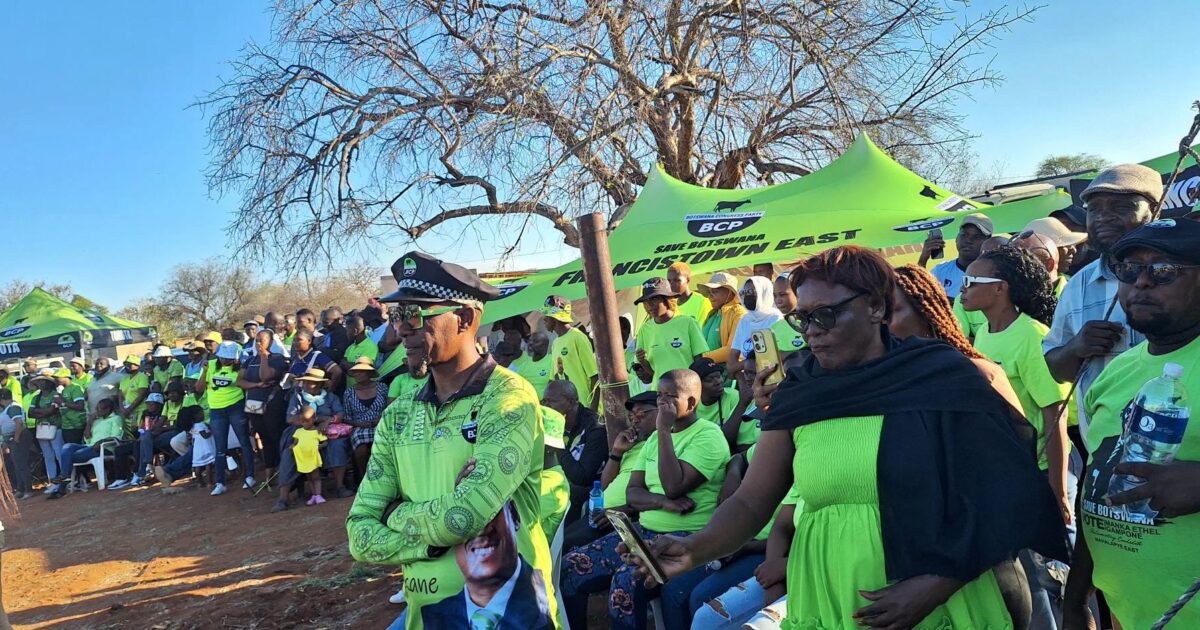
BCP: Demands Botswana Ministers Lifestyle Audits Over Unexplained Wealth
Summary
- The Botswana Congress Party (BCP) is advocating for lifestyle audits of senior public officials.
- The BCP alleges unexplained wealth accumulation among some Umbrella for Democratic Change (UDC) ministers.
- Concerns have been raised by the BCP regarding the effectiveness of current asset verification mechanisms.
- This initiative aims to increase financial transparency and combat potential corruption within the government.
- The demand signals potential increased scrutiny on asset declaration for public officials in Botswana.
What Happened
For legal professionals advising government officials or entities engaged in public sector dealings, this situation necessitates a proactive approach.
The Botswana Congress Party (BCP) has recently initiated a significant push for enhanced financial scrutiny of high-ranking government personnel. This political party is advocating for comprehensive lifestyle audits targeting senior public officials, particularly those serving within the current ruling Umbrella for Democratic Change (UDC) administration. The BCP's demand stems from concerns regarding what it describes as unexplained wealth accumulation among certain UDC ministers.
This call for Botswana ministers lifestyle audits is not merely a general request but is rooted in specific allegations that some ministers have amassed considerable wealth without clear justification. Furthermore, the Botswana Congress Party has openly questioned the efficacy and robustness of the current asset verification mechanisms in place, suggesting they may be insufficient to prevent or detect such alleged financial discrepancies. This move by the BCP highlights a growing focus on transparency and accountability within Botswana's political landscape.
The Demand for Transparency
The concept of lifestyle audits, as championed by the BCP, involves a detailed examination of an individual's declared income and assets against their observable living standards and expenditures. Such audits are typically employed as a tool to identify potential instances of corruption or illicit enrichment, particularly among public servants who are entrusted with public resources. The BCP's insistence on these Botswana Congress Party lifestyle audits underscores a broader concern about the integrity of public service in Botswana.
By specifically targeting UDC ministers and alleging substantial wealth accumulation, the Botswana Congress Party is effectively challenging the current state of financial oversight for public officials. Their questioning of existing public officials asset verification Botswana mechanisms suggests a belief that the present system is inadequate to deter or uncover instances of unexplained wealth Botswana politicians. This initiative could potentially pave the way for more stringent Botswana anti-corruption measures in the country.
Implications for Public Accountability
The BCP's demand for Botswana ministers lifestyle audits carries significant implications for governance and public accountability within the nation. Should these calls gain traction, they could lead to a substantial increase in scrutiny over the financial dealings and asset declarations of all public officials. This development signals a potential shift towards more rigorous enforcement of financial transparency rules and the introduction of new regulations aimed at combating unexplained wealth among Botswana politicians.
For legal professionals advising government officials or entities engaged in public sector dealings, this situation necessitates a proactive approach. Lawyers should anticipate the possibility of stricter enforcement or the implementation of new regulations concerning financial transparency and anti-corruption measures. The BCP's actions underscore the critical importance of robust asset declaration and verification processes to maintain public trust and ensure ethical conduct among those holding public office. This push for greater transparency could redefine expectations for wealth accumulation among public servants.
Practical Implications
This development signals potential increased scrutiny on asset declaration and wealth accumulation for public officials in Botswana. Lawyers advising government officials or entities engaged in public sector dealings should anticipate stricter enforcement or new regulations regarding financial transparency and anti-corruption measures.
Source
How does this affect you?
Get an AI analysis of this article grounded in your jurisdictions, practice areas, and any policy documents you've uploaded to Wansom.
Finish Reading the Full Story and the Expert Analysis.
Get the latest legal & regulatory intelligence in Botswana
Wansom is AI and can make mistakes.