
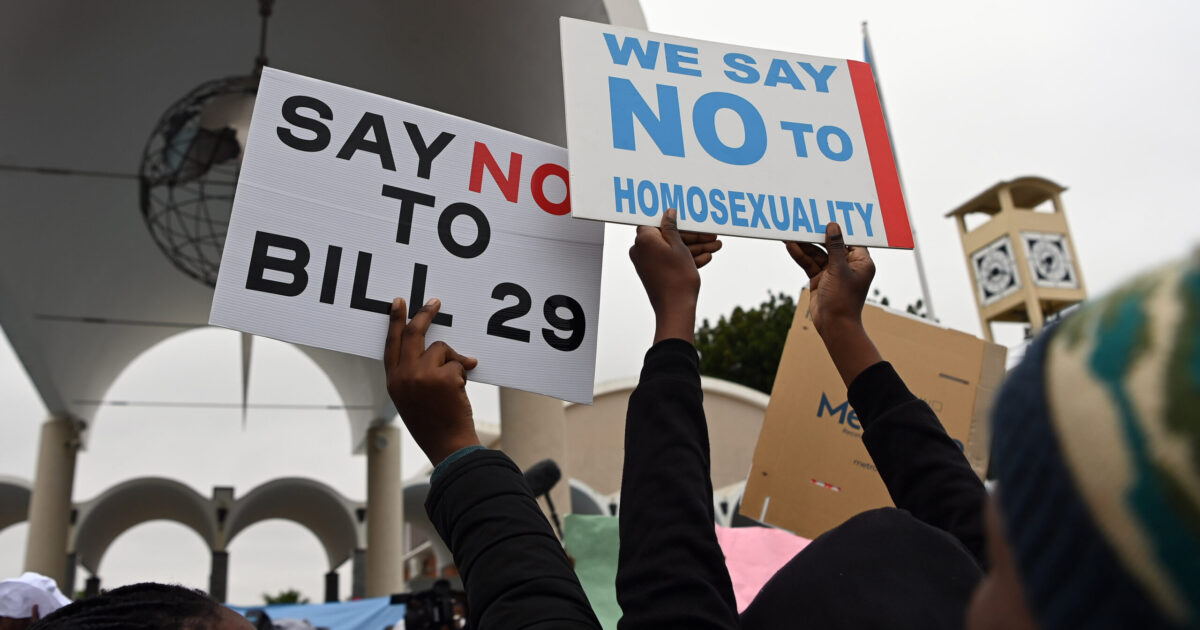
UDC Leaves Homosexuality to Batswana
Summary
- The UDC government in Botswana has chosen not to take a position on homosexuality and same-sex relationships.
- The issue will be decided by the public through a national referendum.
- This referendum is expected to be part of an upcoming constitutional review process.
- The outcome could significantly alter Botswana's legal framework regarding LGBTQ+ rights.
What Happened
Lawyers in Botswana should monitor this closely, as the results could profoundly impact various legal domains, including family law, employment law, and the broader spectrum of human rights protections afforded to LGBTQ+ individuals and couples.
The Umbrella for Democratic Change (UDC) government in Botswana has made a significant announcement regarding its official position on the complex and often contentious issues of homosexuality and same-sex relationships. Rather than adopting a definitive governmental stance, the UDC has declared its intention to delegate the resolution of this matter to the broader public. This approach will empower Batswana citizens to collectively determine the future legal and social standing of these relationships, marking a notable shift from direct policy-making on such a sensitive social topic.
This crucial public determination is slated to unfold through a nationwide referendum, which is not an isolated event but is anticipated to be an integral component of an upcoming and comprehensive constitutional review process within Botswana. The strategic inclusion of the Botswana UDC homosexuality referendum within this overarching constitutional overhaul implies that the outcome will possess more than just advisory weight; it could lead to fundamental and enduring changes within the nation's foundational legal document. This UDC same-sex relationships Botswana strategy underscores a commitment to democratic participation in shaping core societal values and legal norms.
Legal Framework Under Review
The impending constitutional review represents a critical and transformative juncture for Botswana's entire legal landscape, with profound implications particularly for human rights and principles of equality. By choosing to subject the fundamental question of homosexuality and same-sex relationships to a popular vote, the government is effectively ceding the authority to define and protect these rights directly into the hands of the populace. This unprecedented process holds the potential to significantly alter the existing legal framework, either by codifying new protections or by establishing new limitations regarding LGBTQ+ rights within the country.
A constitutional review, by its very nature, involves a thorough examination and potential amendment of a nation's supreme law, which serves as the bedrock for the structure of government and the enumeration of citizens' rights. Consequently, the outcome of the Botswana constitutional review homosexuality aspect, which will be decided by the referendum, will carry immense and binding legal weight. Lawyers in Botswana should monitor this closely, as the results could profoundly impact various legal domains, including family law, employment law, and the broader spectrum of human rights protections afforded to LGBTQ+ individuals and couples.
Why This Matters
The decision by the UDC government to allow a Batswana referendum on LGBTQ+ rights constitutes a pivotal moment for civil liberties and the trajectory of social progress within the nation. This unique approach signifies that the potential for legal recognition and protection of same-sex relationships will ultimately hinge on the prevailing public sentiment, rather than being determined solely through legislative action or judicial pronouncements. The outcome will not only serve as a direct reflection of current societal views but will also establish a significant precedent for how other sensitive social issues are addressed and resolved within Botswana's evolving democratic framework.
For legal professionals across Botswana, the upcoming constitutional review and the associated referendum on homosexuality are undeniably critical events demanding close scrutiny. The very real potential for a significant alteration of the legal framework concerning LGBTQ+ rights could have far-reaching implications for clients across a diverse array of legal contexts, including family law, employment disputes, and general human rights advocacy. Therefore, a thorough understanding of the Botswana government stance homosexuality and the eventual public decision will be absolutely crucial for effectively advising clients and adeptly navigating the rapidly evolving legal landscape. The results of this public vote will undoubtedly shape the rights, responsibilities, and lived experiences of a significant segment of the population for generations to come, making its monitoring essential for all legal stakeholders.
Practical Implications
Lawyers in Botswana should monitor the upcoming constitutional review and potential referendum on homosexuality, as the outcome could significantly alter the legal framework concerning LGBTQ+ rights and impact clients in various legal contexts, including family law, employment, and human rights.
Source
How does this affect you?
Get an AI analysis of this article grounded in your jurisdictions, practice areas, and any policy documents you've uploaded to Wansom.
Finish Reading the Full Story and the Expert Analysis.
Get the latest legal & regulatory intelligence in Botswana
Wansom is AI and can make mistakes.