
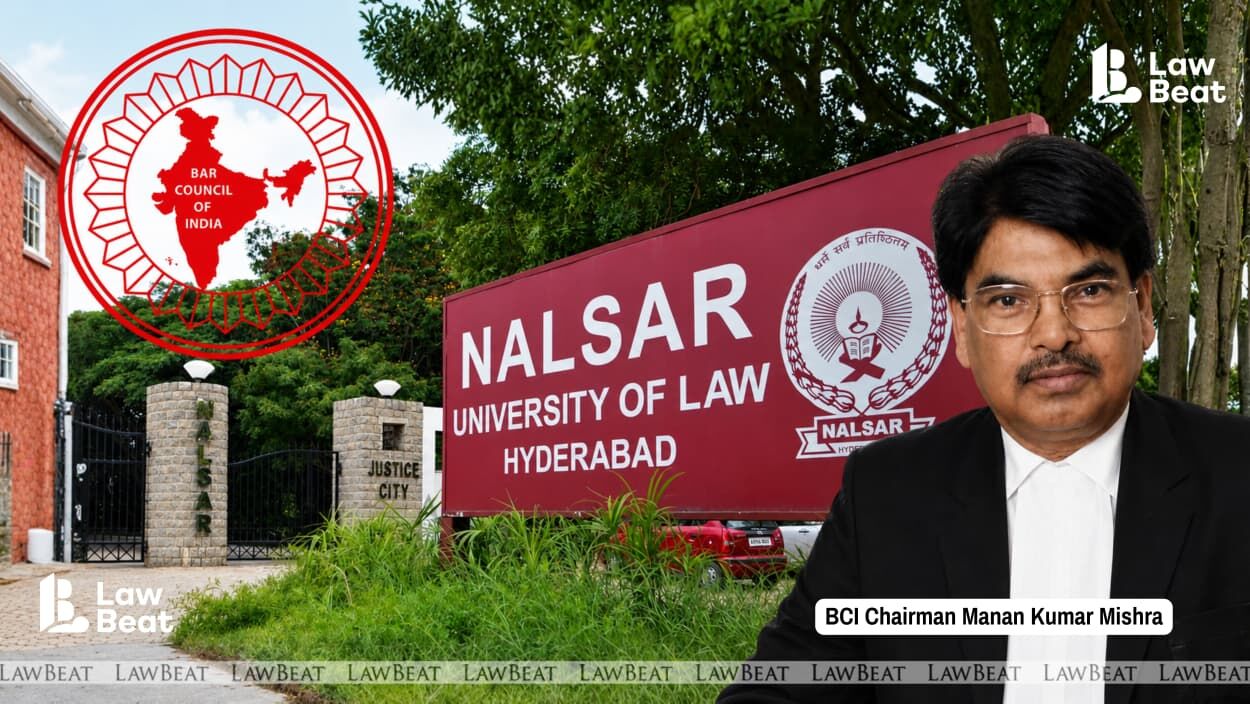
BCI Lifts NALSAR 2026 Graduates Enrolment Ban: A Shift in Approach
Summary
- BCI modifies earlier order barring NALSAR 2026 graduates from enrolling as advocates.
- All 2026 graduates from NALSAR are now allowed to enroll with State Bar Councils while the BCI retains its inquiry into the matter.
- The decision suggests a shift in the BCI's approach towards addressing student conduct and discipline, potentially paving the way for more individualized consideration of cases.
- The move has significant implications for law students and the legal profession as a whole.
The BCI's Shift in Approach
The Council had reconsidered its earlier order after deliberations with its members.
In a significant development, the Bar Council of India (BCI) has modified its earlier order barring NALSAR University of Law's 2026 graduates from enrolling as advocates. The move suggests that the BCI is reevaluating its stance on student conduct and discipline, potentially paving the way for more nuanced consideration of individual cases rather than blanket bans. This shift in approach may indicate a willingness to address concerns about student behavior while also respecting the rights of students who have not engaged in any wrongdoing.
The controversy surrounding NALSAR's 2026 graduates began when a section of students objected to Chief Justice of India Surya Kant's proposed participation in the university's convocation. The objection was tied to remarks made by the CJI during Supreme Court proceedings, which some students felt reflected poorly on their institution's values.
The BCI had initially directed NALSAR to submit an authenticated report identifying those responsible for organizing the campaign against the CJI's proposed participation. However, after reconsidering its earlier order, the Council has now allowed all 2026 graduates from NALSAR to enroll with State Bar Councils while retaining its inquiry into the matter.
Relevant Legal and Regulatory Context
The BCI's decision is significant in light of recent controversies surrounding law student conduct and discipline. The Council has been under pressure to address concerns about the behavior of some students, particularly those who have engaged in protests or demonstrations that are perceived as disrespecting the judiciary.
In this context, the BCI's earlier order barring NALSAR 2026 graduates from enrolling as advocates was seen as a measure to uphold the dignity and discipline of the legal profession. However, the Council's decision to modify its order suggests that it is willing to consider individual circumstances and may be moving towards a more nuanced approach.
The BCI's chairman, Manan Kumar Mishra, had earlier alleged that some teachers at NALSAR were involved in misleading or instigating students, which led to the blanket enrolment ban. However, the Council's decision to allow all 2026 graduates from NALSAR to enroll with State Bar Councils suggests that it is willing to reconsider its stance on this matter.
Why It Matters
The BCI's decision has significant implications for law students and the legal profession as a whole. The move may indicate a shift towards more individualized consideration of student conduct, rather than blanket bans or penalties.
This development is particularly relevant in light of recent controversies surrounding law student conduct and discipline. The BCI's willingness to reconsider its stance on NALSAR 2026 graduates suggests that it is committed to upholding the dignity and discipline of the legal profession while also respecting the rights of students who have not engaged in any wrongdoing.
The decision may also pave the way for more nuanced consideration of individual cases, rather than relying solely on blanket bans or penalties. This could lead to a more fair and just approach to addressing concerns about student behavior.
Practical Implications
Lawyers should note that the BCI's decision to lift the enrolment ban may indicate a shift in its approach to addressing student conduct and discipline, potentially paving the way for more nuanced consideration of individual cases rather than blanket bans.
Source
Source: Original reporting via [Source]
How does this affect you?
Get an AI analysis of this article grounded in your jurisdictions, practice areas, and any policy documents you've uploaded to Wansom.
Wansom is AI and can make mistakes.