
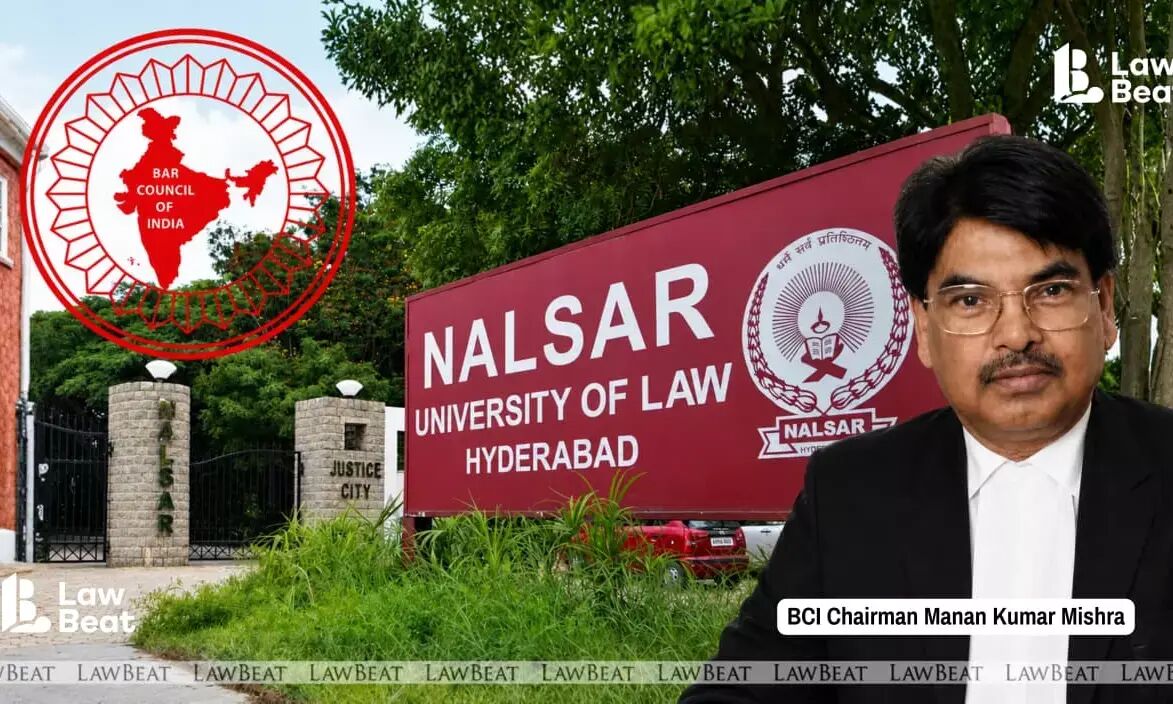
BCI Closes Proceedings Against NALSAR 2026 Batch
Summary
- BCI closes proceedings against NALSAR's 2026 batch after finding no role in any disturbance or movement.
- Students are now eligible for enrolment with State Bar Councils, but must maintain institutional decorum and discipline.
- The BCI advised students to express their opinions while maintaining respect for the office of the Chief Justice of India.
- The decision highlights the importance of balancing individual rights with collective responsibility.
BCI Closes Proceedings Against NALSAR's 2026 Batch
The BCI found that the NALSAR 2026 batch had no role in any disturbance or movement and decided that no further action would be taken against them.
The Bar Council of India (BCI) has brought an end to its proceedings against the 2026 batch of students from NALSAR University of Law, Hyderabad. This decision comes after a thorough review of representations from various stakeholders, including Senior Advocates, members of the Bar, law students, and public-spirited citizens. The BCI found that the students had no role in any disturbance or movement, paving the way for them to be eligible for enrolment with State Bar Councils. However, it's essential for these students to maintain institutional decorum and discipline when expressing their opinions.
The controversy surrounding NALSAR's 2026 batch began after a section of students objected to the proposed participation of Chief Justice of India Surya Kant at the university's forthcoming convocation. The objection was linked to remarks made by the CJI during Supreme Court proceedings concerning alleged police action against protesters at Delhi's Jantar Mantar.
The BCI's decision to close proceedings against NALSAR's 2026 batch is a significant development in this saga. It highlights the importance of maintaining institutional decorum and discipline, even when expressing dissenting opinions. The closure of proceedings means that no further action will be pursued by the BCI against these students.
The significance of this decision extends beyond the NALSAR community. It serves as a reminder to all law students about the need to balance their right to express opinions with the importance of maintaining institutional discipline.
Legal Context: The Role of the Bar Council of India
The Bar Council of India (BCI) plays a crucial role in regulating the legal profession in India. As the apex body for lawyers, the BCI is responsible for ensuring that all law students and graduates adhere to the highest standards of conduct and discipline. In this case, the BCI's decision to close proceedings against NALSAR's 2026 batch reflects its commitment to upholding these standards.
The BCI's powers in relation to law students are significant. The Council can take disciplinary action against students who fail to maintain institutional decorum and discipline. However, in this case, the BCI chose not to pursue further action against NALSAR's 2026 batch, instead advising them to express their opinions while maintaining institutional decorum.
The BCI's decision also highlights the importance of maintaining a balance between individual rights and collective responsibility. In this case, the Council recognized that the vast majority of students in the 2026 batch were innocent and had not intended to participate in any move to disrespect Chief Justice of India Surya Kant.
Why It Matters: Implications for Law Students
The BCI's decision to close proceedings against NALSAR's 2026 batch has significant implications for law students across the country. The closure of proceedings means that these students are now eligible for enrolment with State Bar Councils, but they must still maintain institutional decorum and discipline in expressing their opinions.
This development serves as a reminder to all law students about the importance of balancing their right to express opinions with the need to maintain institutional discipline. It highlights the significance of maintaining a professional demeanor, even when engaging in discussions or debates about sensitive topics.
The BCI's decision also underscores the importance of maintaining respect for the office of the Chief Justice of India. The Council stressed that the highest judicial office of the country is a matter of collective pride and should be treated with the requisite respect.
Practical Implications
Lawyers should note that the BCI's decision to close proceedings against NALSAR's 2026 batch means that these students are now eligible for enrolment with State Bar Councils, but they must still maintain institutional decorum and discipline in expressing their opinions.
Source
How does this affect you?
Get an AI analysis of this article grounded in your jurisdictions, practice areas, and any policy documents you've uploaded to Wansom.
Wansom is AI and can make mistakes.