
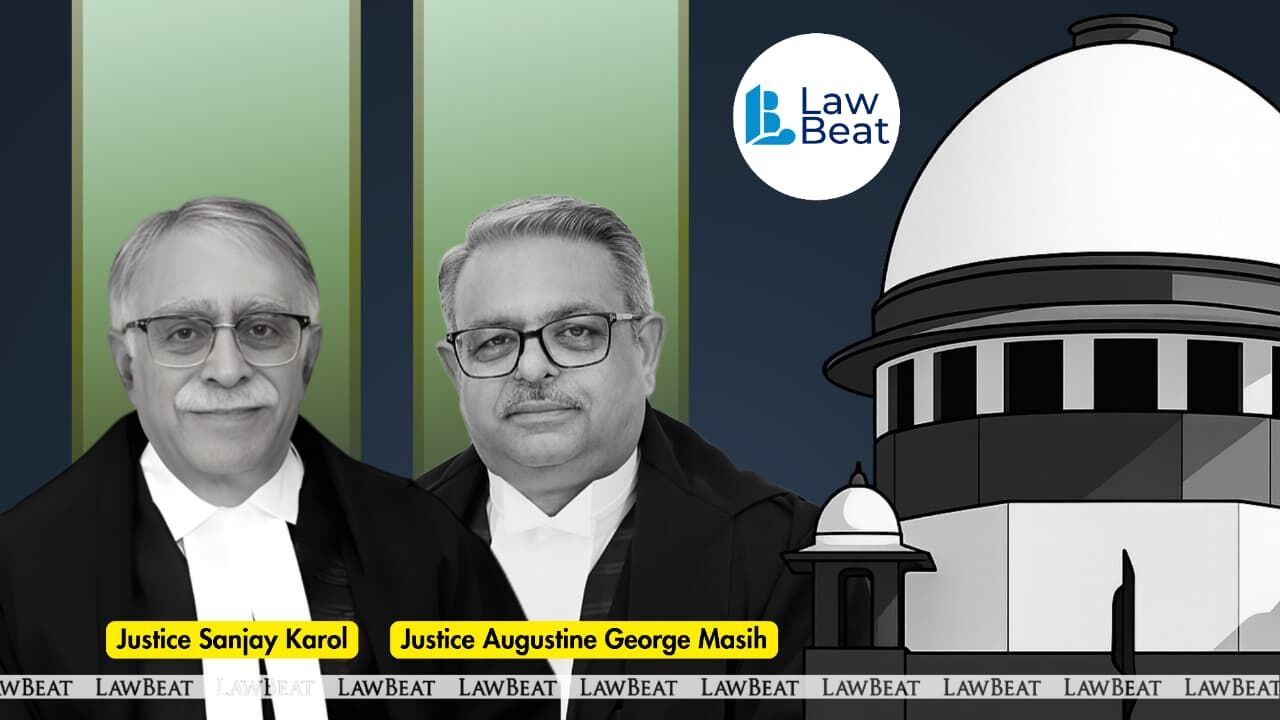
Supreme Court: NCSC Cannot Direct Payment of Service Arrears
Summary
- The Supreme Court has limited the National Commission for Scheduled Castes' (NCSC) authority to direct employers to pay service arrears.
- The court emphasized that the NCSC's role is recommendatory and advisory, rather than adjudicatory, under Article 338 of the Constitution.
- The decision may impact future complaints filed with the NCSC and its adjudicatory functions.
Supreme Court Limits NCSC's Powers
The Legislature has prescribed a role that is recommendatory and advisory, but certainly not adjudicatory,
The Supreme Court has issued a significant judgment that restricts the National Commission for Scheduled Castes' (NCSC) authority to direct employers to pay service arrears. This decision may have far-reaching implications for future complaints filed with the NCSC and its adjudicatory functions. The court's ruling is based on the Constitution, which clearly outlines the limited powers granted to the NCSC under Article 338. Specifically, the Supreme Court emphasized that the NCSC's role is recommendatory and advisory, rather than adjudicatory, and it cannot take over civil court functions or direct payment of arrears.
Legal Context: The Constitution and the NCSC's Powers
The National Commission for Scheduled Castes was established under Article 338 of the Constitution to promote social welfare and protect the rights of scheduled castes. However, the Supreme Court has now clarified that the NCSC's powers are limited in nature, specifically excluding the ability to direct payment of arrears or assume civil court functions. The court pointed out that the Constitution explicitly outlines the civil court powers granted to the NCSC, using the word 'namely' to indicate the specific and limited scope of its authority.
Impact on Future Complaints
The Supreme Court's decision may significantly impact future complaints filed with the NCSC. Employers who have been directed by the NCSC to pay service arrears may now challenge these orders in court, potentially leading to a re-evaluation of the NCSC's adjudicatory functions. The judgment highlights the importance of understanding the NCSC's powers and limitations, particularly for lawyers and compliance officers navigating employment law disputes.
Practical Implications
Lawyers and compliance officers should be aware that the Supreme Court has limited the National Commission for Scheduled Castes' (NCSC) powers, holding that it cannot direct employers to pay service arrears. This decision may impact future complaints filed with the NCSC and the scope of its adjudicatory functions.
Source
Source: Original reporting via LawBeat
How does this affect you?
Get an AI analysis of this article grounded in your jurisdictions, practice areas, and any policy documents you've uploaded to Wansom.
Wansom is AI and can make mistakes.