
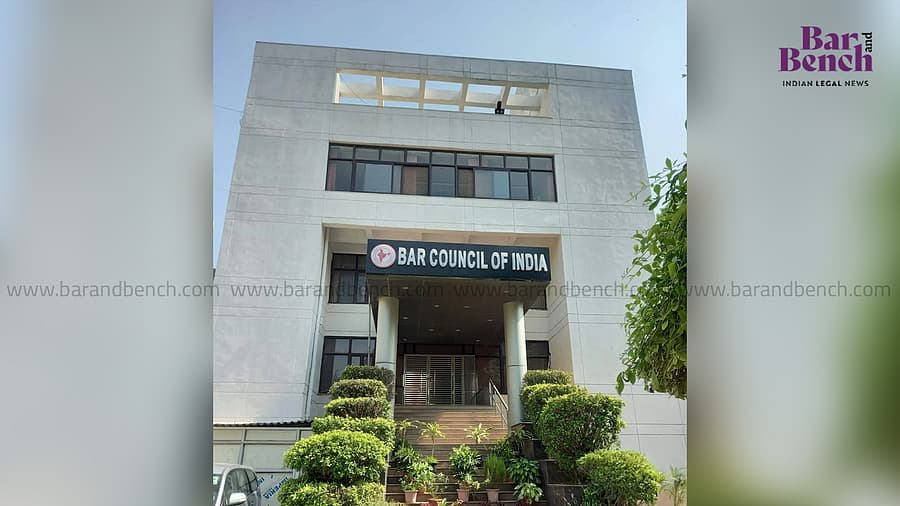
BCI Advisory: Law Institution Verification Crucial for Aspiring Lawyers
Summary
- The Bar Council of India issued an advisory on November 19, urging law aspirants to verify institutional authenticity and BCI approval before admission.
- This directive follows an October 2026 Supreme Court order in Ayesha Jain v. Amity University, mandating regulators to caution students.
- Students must confirm BCI approval for specific law programs, sections, and student intake, as general affiliations are insufficient.
- The BCI website provides a list of all approved institutions and courses for verification.
- State government permissions or university affiliations do not substitute for BCI approval under the Rules of Legal Education, 2008.
BCI Issues Verification Directive
Under the Rules of Legal Education, 2008, explicit approval from the BCI is a fundamental prerequisite for any institution to offer law degree courses that will be recognized for the purpose of enrolling as an advocate.
The Bar Council of India (BCI) recently released a significant advisory on November 19, specifically instructing individuals aspiring to a legal career to independently confirm the legitimacy and official approval status of educational institutions before committing to admission. This crucial directive was issued in direct response to an October 2026 Supreme Court order stemming from the case of Ayesha Jain v. Amity University. The Supreme Court had previously mandated that the University Grants Commission (UGC) and all other regulatory bodies actively caution students against engaging with institutions whose authenticity has not been thoroughly verified. This BCI advisory law institution verification effort aims to protect aspiring legal professionals from enrolling in programs that may not meet the necessary standards for professional practice. It underscores a broader regulatory push to ensure transparency and accountability within the legal education sector, highlighting the importance of thorough due diligence by students.
This Bar Council of India advisory is a critical step in safeguarding the academic and professional futures of law students. By placing the onus on students to verify credentials, the BCI is reinforcing the need for institutions to maintain clear and verifiable records of their approvals. The directive aligns with the Supreme Court's broader vision for regulatory bodies to act proactively in informing and protecting students from potentially unapproved or unrecognized educational offerings.
The Mandate for Approval
The BCI has clarified that the mere establishment of a university, the issuance of a no-objection certificate or permission by a state government, or even affiliation granted by another university, does not inherently fulfill the requirement for BCI approval. Under the Rules of Legal Education, 2008, explicit approval from the BCI is a fundamental prerequisite for any institution to offer law degree courses that will be recognized for the purpose of enrolling as an advocate. This distinction is vital for students to understand when they verify law college authenticity, as it directly impacts the validity of their future legal careers.
Prospective students are specifically advised to ensure that any institution they consider is legally authorized to provide the particular law degree course they intend to pursue. Furthermore, they must confirm that the degree itself will satisfy the applicable criteria for recognition by the Bar Council of India, which is essential for their future enrollment as an advocate. The BCI maintains a comprehensive list of all approved institutions and their respective courses, which is readily accessible on its official website, serving as a primary resource for this critical verification process. This resource is key for confirming law school approval BCI status.
Essential Checks for Aspiring Lawyers
Beyond general institutional approval, the BCI's advisory emphasizes the necessity for law aspirants to conduct more granular checks. Students must specifically ascertain whether a given institution possesses valid BCI approval for the precise program they wish to undertake, whether it be a three-year LL.B. course or a five-year integrated law degree course. This detailed scrutiny is paramount to avoid future complications regarding degree validity.
Furthermore, it is critical for students to verify that the number of academic sections and the sanctioned student intake capacity of the program align precisely with the law school approval BCI has granted. The advisory explicitly warns against presuming that approval for one specific program, academic session, section, or intake automatically extends to others. Each aspect requires independent confirmation to ensure the educational experience and subsequent professional recognition are legitimate.
Practical Implications
Lawyers advising educational institutions must ensure their clients' BCI approvals for specific law programs and intake numbers are transparent and verifiable, aligning with the Supreme Court's directive for regulators to caution students. This advisory underscores the need for institutions to clearly communicate their BCI-approved status to avoid legal challenges from students regarding degree validity.
Source
How does this affect you?
Get an AI analysis of this article grounded in your jurisdictions, practice areas, and any policy documents you've uploaded to Wansom.
Finish Reading the Full Story and the Expert Analysis.
Get the latest legal & regulatory intelligence in India
Wansom is AI and can make mistakes.