
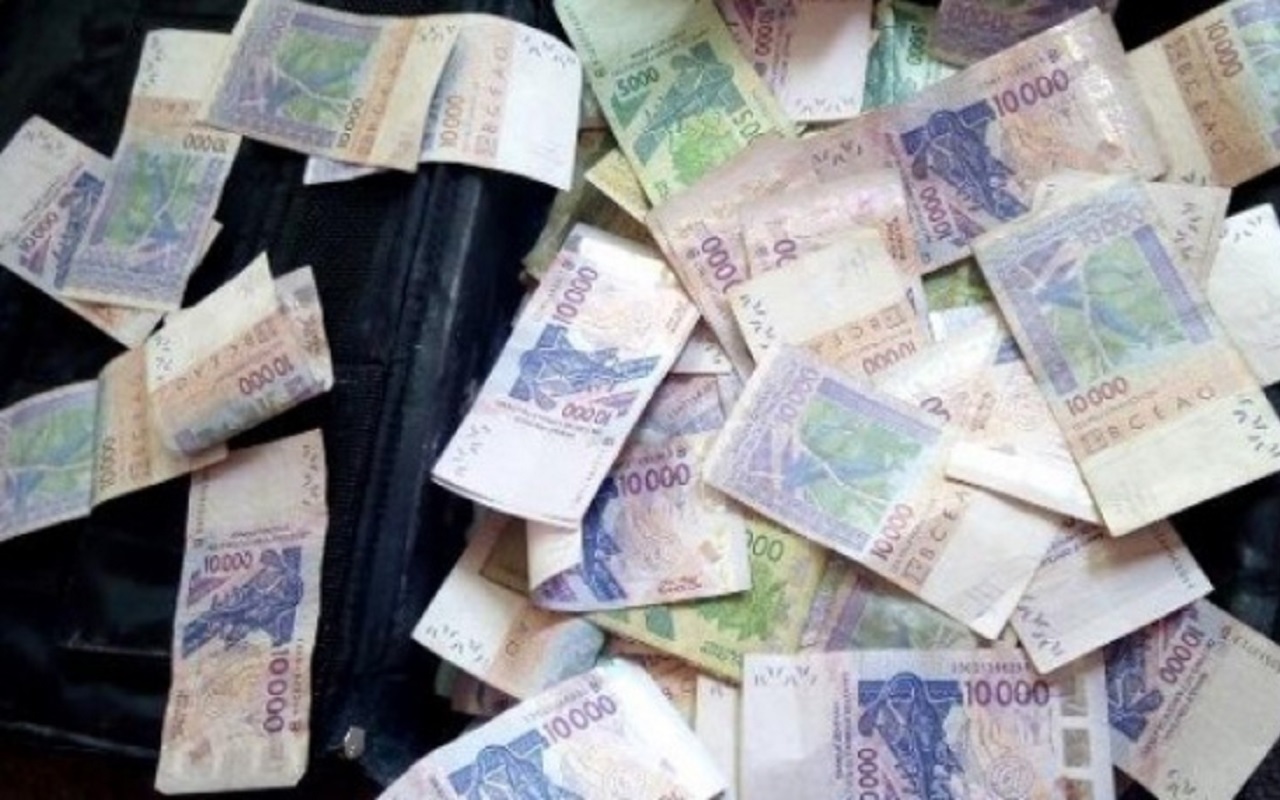
BCEAO: Faux Billets Togo Vigilance Urged Amid Counterfeit Rumors
Summary
- The BCEAO has noted alarming social media reports about alleged counterfeit banknotes in the UEMOA region.
- The central bank urges the public to avoid panic and exercise caution regarding these claims.
- Individuals are advised to prioritize official sources for verifying any information on banknote authenticity.
- This public alert highlights the ongoing efforts to combat financial fraud and maintain currency integrity in the region.
Emergence of Counterfeit Concerns
The central bank's communication underscores the importance of exercising caution when encountering content related to currency authenticity on social media.
The Banque Centrale des États de l'Afrique de l'Ouest (BCEAO) has recently addressed a surge of alarming reports circulating across social media platforms concerning alleged counterfeit banknotes within the UEMOA economic zone. These digital communications have drawn the central bank's attention due to their potential to cause public apprehension regarding the integrity of the currency.
In response to these widespread rumors of "faux billets UEMOA," the BCEAO has issued a public statement. The institution acknowledges the circulation of such information but simultaneously urges the populace to maintain calm and avoid succumbing to panic. This proactive stance by the central bank aims to manage public perception and prevent undue alarm stemming from unverified claims.
The central bank's communication underscores the importance of exercising caution when encountering content related to currency authenticity on social media. It specifically advises individuals to prioritize and consult official sources for any information pertaining to the genuine nature of banknotes. This directive highlights the BCEAO's role as the authoritative body for currency matters in the region, including addressing concerns about "contrefaçon monnaie BCEAO."
BCEAO's Official Guidance
As the primary monetary authority for the eight member states of the West African Economic and Monetary Union, the Banque Centrale des États de l'Afrique de l'Ouest holds a critical responsibility for the stability and integrity of the currency. Its recent "alerte BCEAO faux billets" serves as a crucial reminder of its commitment to safeguarding the financial system against threats like counterfeiting. The central bank's guidance is not merely a suggestion but a directive aimed at preserving public trust in the currency.
The official advisory emphasizes a two-pronged approach for the public: first, to refrain from panic, and second, to exercise prudence when evaluating information, particularly that which originates from unofficial channels. By directing citizens to official sources, the BCEAO aims to ensure that accurate and verified information regarding banknote authenticity is disseminated, thereby countering the potential for misinformation to undermine economic confidence. This measure is vital in preventing widespread confusion or distrust that could arise from unverified claims of "faux billets UEMOA."
This call for vigilance, particularly in the context of "BCEAO faux billets Togo vigilance," reinforces the central bank's ongoing efforts to combat financial fraud. It highlights the inherent risks associated with the circulation of counterfeit currency, which can destabilize local economies and erode the purchasing power of legitimate banknotes. The BCEAO's consistent monitoring and communication are essential tools in its broader strategy to maintain monetary stability and protect consumers from the adverse effects of "fraude monétaire Togo" and similar illicit activities across the union.
Heightened Vigilance for Financial Actors
The BCEAO's public address regarding alleged "faux billets UEMOA" carries significant implications for financial institutions and businesses operating within the region. This "alerte BCEAO faux billets" effectively signals a heightened risk environment for counterfeit currency, necessitating a review and reinforcement of existing cash handling and verification protocols. For entities that regularly deal with cash, such as banks, retailers, and other commercial enterprises, the central bank's warning underscores the imperative for robust internal controls.
Legal professionals advising these institutions should take note of this development, particularly concerning potential compliance exposures related to financial crime and fraud prevention. The increased risk of "contrefaçons monnaie BCEAO" means that financial institutions must ensure their staff are adequately trained in identifying counterfeit notes and that their verification technologies are up-to-date and effective. Failure to implement stringent verification measures could lead to financial losses and reputational damage, as well as potential regulatory scrutiny.
Moreover, the emphasis on official sources for verifying currency authenticity implies a need for businesses to establish clear channels for obtaining and disseminating such information internally. This proactive approach to "BCEAO faux billets Togo vigilance" is crucial for mitigating the impact of "fraude monétaire Togo" and other forms of monetary fraud. By aligning their practices with the central bank's guidance, financial actors can contribute to the overall integrity of the UEMOA financial system and protect themselves and their clients from the adverse effects of counterfeit currency.
Practical Implications
Lawyers advising financial institutions or businesses handling cash in the UEMOA region should alert clients to increased counterfeit currency risks and the need for robust verification protocols, given the BCEAO's public vigilance call. This development highlights potential compliance exposures related to financial crime and fraud prevention.
Source
Source: Original reporting via Icilome.
How does this affect you?
Get an AI analysis of this article grounded in your jurisdictions, practice areas, and any policy documents you've uploaded to Wansom.
Wansom is AI and can make mistakes.