
BC Court Clears Strict Liability Claim in Gas Explosion
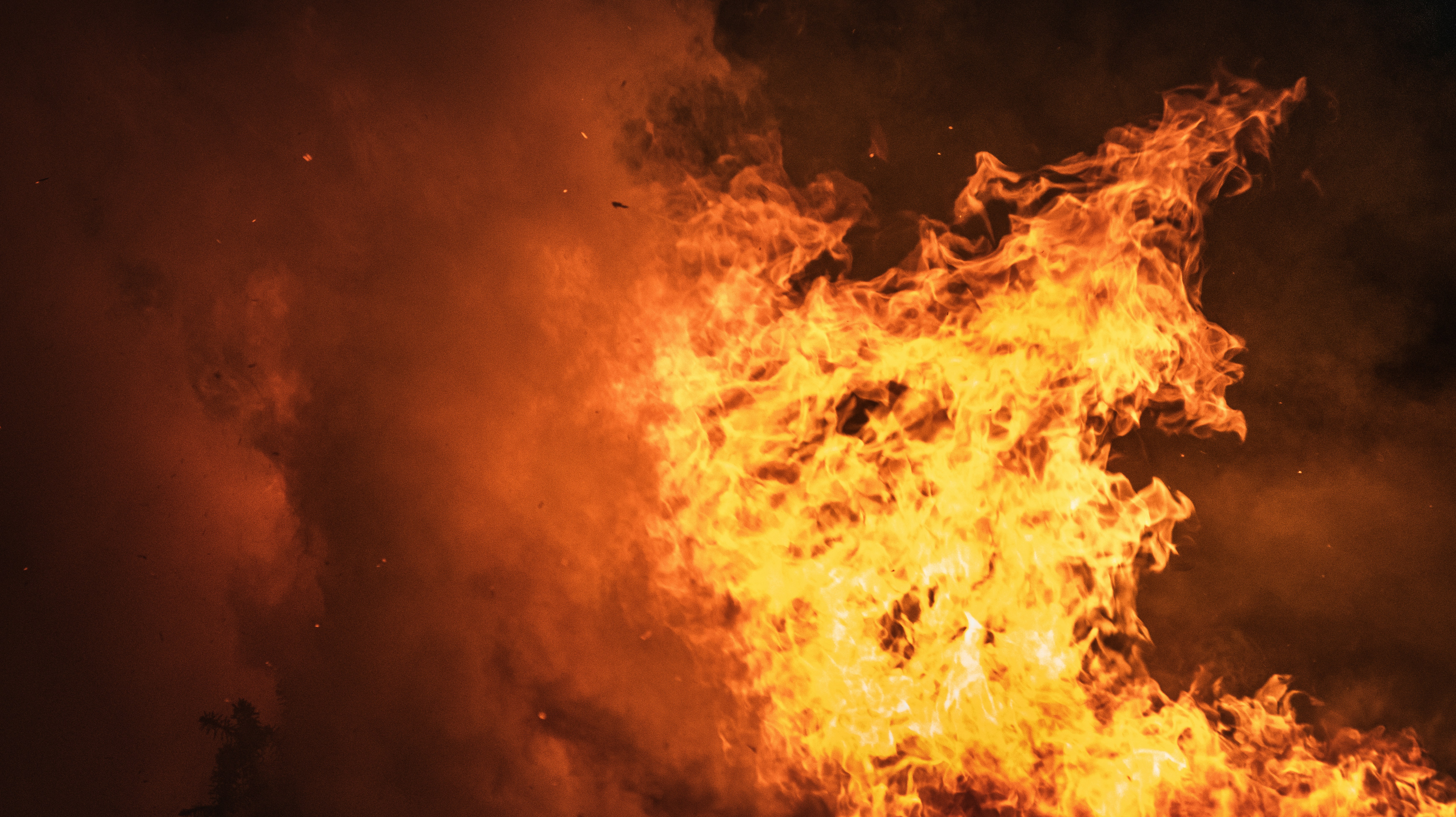
Strict liability tort proceeds to trial as BC court defers limitation period and non-natural use questions A British Columbia court has ruled that a strict liability claim under the rule in Rylands v. Fletcher can proceed to trial, even where a limitation defence remains live. The case involved a 2023 explosion that destroyed a vacant Prince George building and shut down an adjacent nightclub. Justice Tindale of the Supreme Court of British Columbia issued reasons in 1075459 B.C. Ltd. v. Prince George (City) , 2026 BCSC 1643 . The leave to amend pleadings and add a new defendant was granted after RCMP materials disclosed in mid-2025 revealed critical new information about who bore responsibility for the blast. On August 22, 2023, a building at 422 Dominion Street in Prince George, owned by Commonwealth Campus Corporation (Commonwealth), was destroyed after intruders broke a pressurised natural gas pipe inside the vacant structure. The gas ignited at approximately 7 a.m., damaging the adjacent premises leased by Encore Promotions Inc., a nightclub operator across the alley that was forced to cease operations while repairs were completed. Commonwealth had contracted Paladin Security Group Ltd. (Paladin) to secure the building. However, plaintiffs alleged that the alarm system had not been activated for weeks before the explosion, something they say they could not have known until they received the RCMP investigation file on July 16, 2025. Commonwealth argued the Rylands v. Fletcher claim was brought outside the two-year window under s. 6 of BC’s Limitation Act . The plaintiffs countered that the discoverability provisions under s. 8 applies, wherein a claim is not discovered until the claimant knew or reasonably ought to have known that injury occurred, that it was caused by an identifiable person, and that litigation was appropriate. All four elements, they argued, were only satisfied after the RCMP file confirmed that Commonwealth had kept the building gas-supplied, that Paladin had been hired as security, and that the alarm had not been set. Justice Tindale declined to resolve the limitation issue summarily, drawing on Eastern Platinum Limited v. Cameron , 2020 BCSC 1353 , and allowed the amendment without prejudice to Commonwealth raising limitation at trial. Commonwealth also argued that supplying natural gas to a building constitutes a natural use of land, which would preclude the claim. Justice Tindale disagreed, relying on the Ontario Court of Appeal’s analysis in Smith v. Inco Ltd. , 2011 ONCA 628 . In that case, it was confirmed that the relevant test is not the hazardousness of the substance, but whether the use was inappropriate to the place — the pig-in-the-parlour standard from Tock v. St. John’s Metropolitan Area Board , [1989] 2 SCR 1181 . The court found the proposed amendments pleaded sufficient facts to survive the pleadings stage, reserving non-natural use for trial. The rule imposes strict liability . As such, a plaintiff need not prove negligence, but only that the defendant made a non-natural use of land, brought something likely to cause mischief if it escaped, and that it did escape and caused damage. Bookmark Canadian Lawyer’s Personal Injury page for more news, articles, and updates for Canadian legal professionals. The Canadian Legal Newswire is a FREE newsletter that keeps you up to date on news and analysis about the Canadian legal scene, providing targeted news and information of interest to Canadian Lawyers. Please enter your email address below to subscribe.
How does this affect you?
Get an AI analysis of this article grounded in your jurisdictions, practice areas, and any policy documents you've uploaded to Wansom.
Finish Reading the Full Story and the Expert Analysis.
Wansom is AI and can make mistakes.