
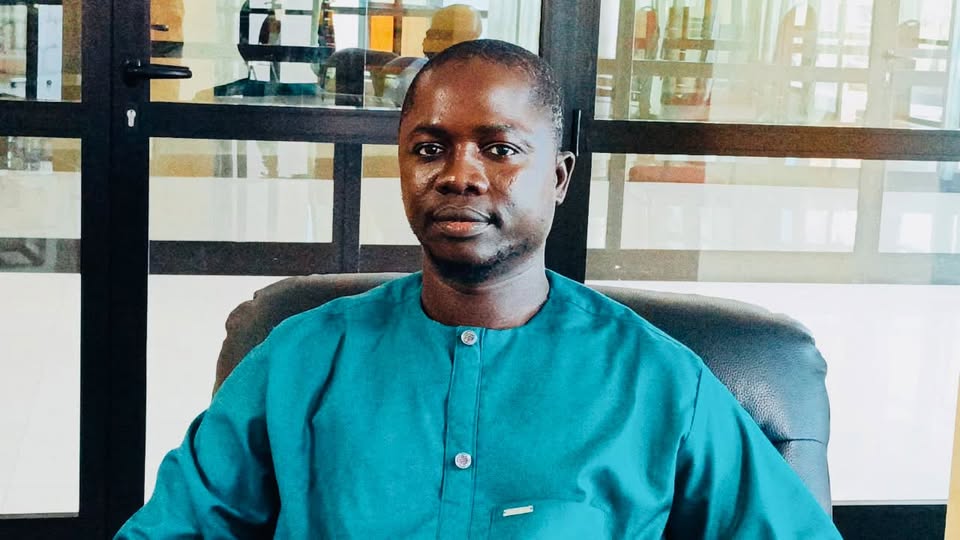
Bassirou Dieng: Senegal LFR Rejection Consequences Detailed
Summary
- Bassirou Dieng warned that the rejection of the LFR 2026 could negatively affect hospital projects, social measures, domestic debt repayment, and salary payments.
- Dieng, a member of Kiiraay-Les Patriotes Républicains, criticized Ousmane Sonko for allegedly undermining President Bassirou Diomaye Faye and attempting to secure his own presidential succession.
- He believes the LFR rejection obstructs President Faye's economic and social commitments, despite PASTEF's parliamentary majority from the November 2024 elections.
- Dieng stated that elected officials retain their benefits while the general population will suffer the consequences of the LFR decision.
- Dieng affirmed that Senegal would not collapse and that republicans would continue to oppose Ousmane Sonko.
Immediate Concerns Following LFR Rejection
The rejection of the LFR 2026 could therefore lead to a direct and adverse impact on the daily lives of citizens, potentially exacerbating existing socio-economic challenges.
Bassirou Dieng, a prominent member of Kiiraay-Les Patriotes Républicains, has issued a stark warning regarding the potential repercussions of the recent vote against the Loi de Finances Rectificative (LFR) 2026 in Senegal. Dieng specifically highlighted critical sectors that could face severe disruptions, including ongoing hospital projects, various social initiatives, the settlement of the nation's domestic debt, and the timely disbursement of public sector salaries. His concerns, relayed by Xibaaru, underscore a significant apprehension about the government's capacity to maintain essential services and meet its financial obligations.
Dieng expressed dismay that while elected officials appear to retain their privileges, the general populace is expected to bear the brunt of this legislative decision. The rejection of the LFR 2026 could therefore lead to a direct and adverse impact on the daily lives of citizens, potentially exacerbating existing socio-economic challenges. This situation raises questions about the allocation of resources and the immediate financial stability of key government functions, particularly those related to public health and welfare.
Political Dynamics and Accusations
From a political standpoint, Dieng views the rejection of the LFR as a direct impediment to the agenda of President Bassirou Diomaye Faye. He recalled that the legislative elections held on November 17, 2024, had granted PASTEF a parliamentary majority, specifically to enable President Faye to implement his comprehensive program of economic and social reforms. The failure of the LFR to pass is thus interpreted by Dieng as a significant obstacle to fulfilling these crucial commitments made to the Senegalese people.
Furthermore, Dieng leveled pointed criticism against Ousmane Sonko, accusing him of dereliction of duty towards President Faye. Dieng emphasized that Faye had appointed Sonko as Prime Minister and entrusted him with substantial responsibilities within the state apparatus. He alleged that Sonko actively sought to diminish and confront President Faye, all while reportedly positioning himself for a future presidential succession. Dieng contended that such actions, if successful, could have plunged the country into a catastrophic state, attributing their ultimate failure to the intervention of "true patriots and republicans" and divine grace.
Future Outlook and Political Resolve
Despite the current political turbulence and the potential Sénégal LFR 2026 impact, Bassirou Dieng remains resolute about the nation's future. He firmly asserted that Senegal would not succumb to these challenges, expressing confidence in the country's resilience. Dieng also reiterated the unwavering commitment of the republicans, stating their intention to continue their opposition to Ousmane Sonko.
His declaration, "The Republic will live and the Republic will conquer!", encapsulates a defiant stance against what he perceives as divisive political maneuvers. This ongoing political tension, particularly concerning the Rejet Loi de Finances Rectificative Sénégal, suggests a period of heightened scrutiny over government spending and policy implementation, with potential implications for public sector contracts and the funding of critical infrastructure projects, including those related to Bassirou Dieng hôpitaux dette intérieure. The political landscape remains charged, with key figures like Ousmane Sonko Bassirou Diomaye Faye LFR at the center of the debate.
Practical Implications
The rejection of the LFR could lead to financial instability or a re-prioritization of government spending, potentially impacting public sector contracts, project funding (e.g., hospital projects), and the government's ability to meet financial obligations. Lawyers advising clients with public sector dealings or investments in Senegal should monitor these developments closely for potential contractual risks or changes in the regulatory landscape.
Source
Source: Original reporting via Xibaaru.
How does this affect you?
Get an AI analysis of this article grounded in your jurisdictions, practice areas, and any policy documents you've uploaded to Wansom.
Wansom is AI and can make mistakes.