
Barker-Vormawor Ghana False Publication Laws: Decries Uneven Enforcement
Summary
- Oliver Barker-Vormawor has criticized the inconsistent application of Ghana's false publication and offensive speech laws.
- His comments follow the recent arrest and two-week remand of senior nursing officer Salomey Awiti Bafoh on charges of abetment of crime related to false news.
- Ms. Bafoh pleaded not guilty to charges under Sections 20(1) and 208 of the Criminal Offences Act, 1960, for allegedly linking with a UK-based TikTok user.
- Barker-Vormawor questioned the selective enforcement of these laws, particularly regarding individuals reportedly funding the TikTok account, and stressed the need for direct criminal connection.
- He urged authorities to ensure constitutional rights, including privacy and due process, are upheld in investigations and prosecutions.
Critique of Inconsistent Law Application
He underscored that law enforcement agencies must apply uniform standards to similar conduct, irrespective of the political affiliations or perceived sympathies of the individuals involved.
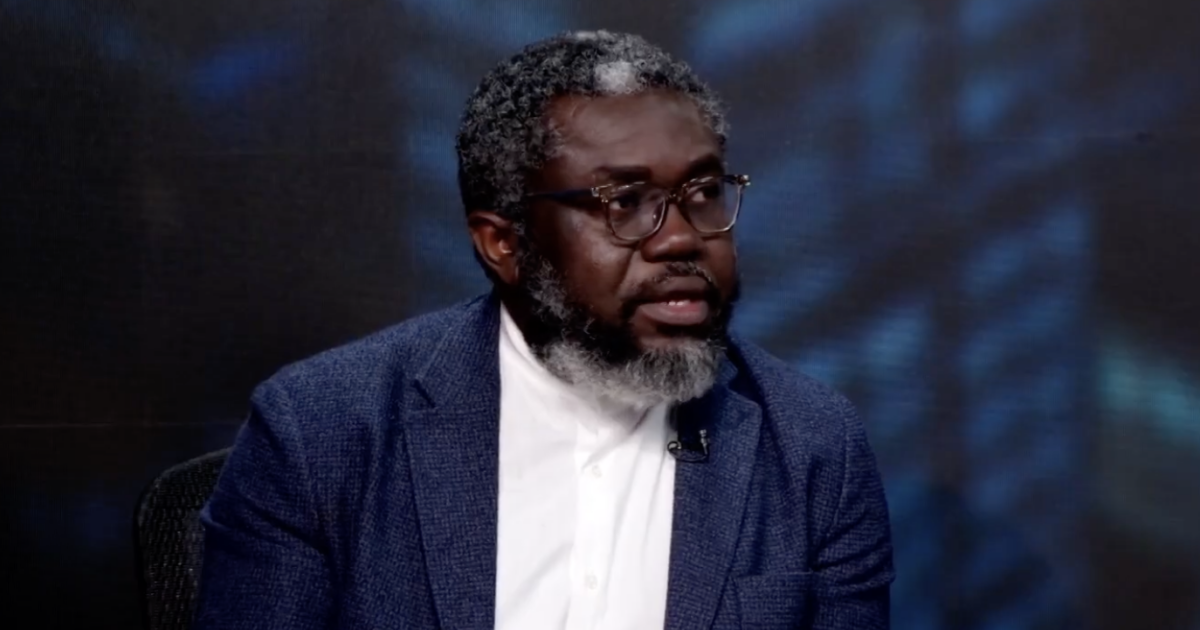
Oliver Barker-Vormawor, a Constitutional Rights and Policy Strategy Advisor at Democracy Hub, has voiced strong criticism regarding the uneven application of `Barker-Vormawor Ghana false publication laws` and statutes governing offensive speech in Ghana. Speaking on JoyNews' Newsfile, he articulated a consistent concern about the state's inability to apply these rules uniformly. He underscored that law enforcement agencies must apply uniform standards to similar conduct, irrespective of the political affiliations or perceived sympathies of the individuals involved.
This critique by `Oliver Barker-Vormawor inconsistent law application` comes in the wake of the recent arrest and remand of Salomey Awiti Bafoh, a 40-year-old senior nursing officer. Ms. Bafoh was apprehended at her residence in Hansua, near Techiman, on September 13, following allegations of her involvement with UK-based TikTok user Barbara Asantewaa Kodua, widely known as “Ghana Jollof.” She subsequently appeared before the Adentan Circuit Court, where she entered a plea of not guilty to a charge of abetment of crime, specifically concerning the alleged publication and circulation of false news. The charges against her are rooted in `Criminal Offences Act 1960 Sections 20(1) 208`.
Procedural and Evidentiary Concerns
During her court appearance, Ms. Bafoh was denied bail and remanded for a period of two weeks, with her case adjourned until September 30. Prosecutors allege that Ms. Bafoh served as a liaison for Ms. Kodua and was instrumental in recruiting others to disseminate videos produced by the TikTok user. While Mr. Barker-Vormawor acknowledged that some content attributed to Ms. Kodua might warrant investigation, he insisted that the same rigorous standards should be applied to other public figures who have made contentious statements online.
He specifically questioned why individuals whose names have reportedly surfaced in connection with the alleged funding of the TikTok account have not faced arrest, particularly if investigators had established a direct criminal link. Mr. Barker-Vormawor emphasized that merely identifying financial transactions on a person's phone does not, in itself, constitute proof that the funds were provided to facilitate criminal conduct. He stressed the necessity for investigators to establish a clear and direct connection between any financial support and the alleged criminal activity, challenging what he described as `Ghana freedom of expression selective enforcement`.
Call for Consistent Enforcement and Rights Protection
Mr. Barker-Vormawor also challenged the perceived `selective enforcement` of `offensive speech laws Ghana`, pointing to various public figures who have made controversial comments without facing similar criminal investigations. He asserted that if a particular form of speech is deemed objectionable, then the legal standard applied to it must be consistently enforced across the board. He clarified that his concern is not whether he personally agrees with the content of the speech, but rather whether the state is applying the law equitably and consistently to all.
He argued that the public discourse should therefore concentrate on whether specific communications genuinely cross the threshold into criminal conduct, rather than being swayed by the speaker's popularity or their political alignment with the government. Mr. Barker-Vormawor's remarks emerge amidst a renewed national debate concerning freedom of expression and the utilization of criminal law to regulate communications on social media platforms, a discussion intensified by Ms. Bafoh's arrest. He urged both authorities and the judiciary to ensure that fundamental constitutional rights, including privacy and due process protections, are meticulously upheld throughout all stages of investigations and prosecutions.
Practical Implications
Lawyers and compliance officers in Ghana should note the heightened scrutiny and potential for inconsistent application of false publication and offensive speech laws, particularly concerning online content. This development underscores the importance of advising clients on due process and privacy rights during investigations, and preparing to challenge arrests or remands based on selective enforcement or lack of direct criminal connection.
Source
Source: Original reporting via JoyNews
How does this affect you?
Get an AI analysis of this article grounded in your jurisdictions, practice areas, and any policy documents you've uploaded to Wansom.
Finish Reading the Full Story and the Expert Analysis.
Get the latest legal & regulatory intelligence in Ghana
Wansom is AI and can make mistakes.