
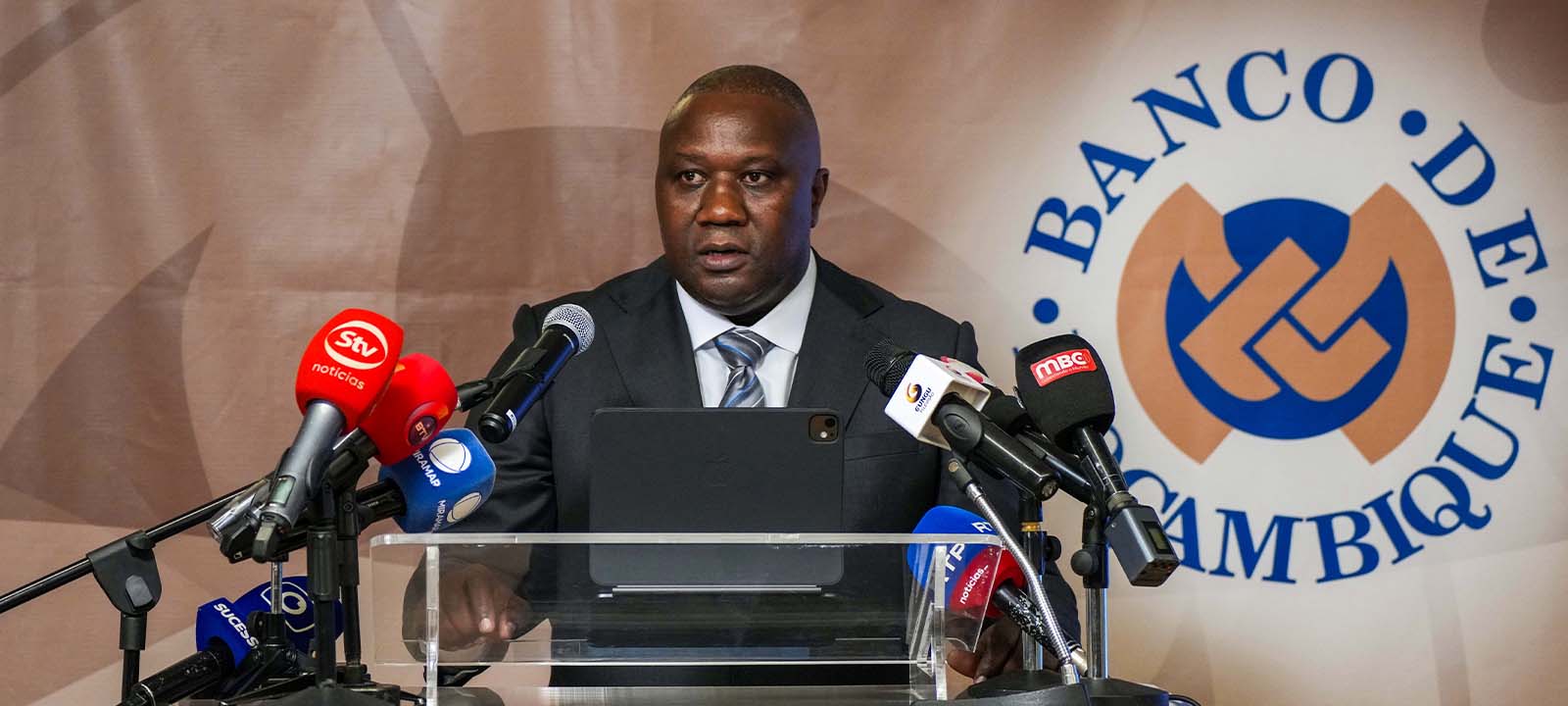
Banco de Moçambique: Altera Reservas Obrigatórias, Taxa MIMO Estável
Summary
- The Banco de Moçambique's Monetary Policy Committee decided to maintain the MIMO rate at 9.25%.
- The central bank will alter the mandatory reserve requirements regime, allowing banks to deduct new financing for import substitution/export increase from national currency reserves.
- These changes to mandatory reserves will take effect from the next constitution period, and the new regime will have a duration of 18 months.
- The decision to keep the MIMO rate stable is attributed to prevailing risks and uncertainties.
Key Monetary Policy Decisions
Financial institutions and their legal advisors in Mozambique must promptly review the new requirements to understand their full scope and impact.
The Banco de Moçambique, serving as the nation's central bank, recently communicated pivotal adjustments to its monetary policy framework, which are set to significantly influence the domestic financial sector. The Monetary Policy Committee (Comité de Política Monetária) of the Banco de Moçambique convened to thoroughly assess the prevailing economic conditions and deliberate on strategic financial interventions necessary for stability and growth. Following these critical discussions, a primary decision was reached concerning the country's benchmark interest rate.
Specifically, the Committee determined that the monetary policy interest rate, widely recognized as the MIMO rate, would be maintained at its existing level of 9.25%. This consistent stance by the Banco Central Moçambique reflects a deliberate and cautious approach in navigating the current economic landscape, aiming to provide a degree of predictability in lending and borrowing costs. While the Banco de Moçambique taxa MIMO remains stable, the central bank simultaneously signaled an impending and significant shift in another critical area of monetary control.
Changes to Reserve Requirements
Alongside the stability in the benchmark rate, the Banco de Moçambique confirmed its intention to modify the mandatory reserve requirements regime. This alteration to the Moçambique reservas obrigatórias is poised to introduce new operational considerations for financial institutions operating within the country. The specifics of these changes will become effective starting from the next constitution period, indicating a structured implementation timeline.
The regime de reservas obrigatórias Moçambique is a crucial tool for the central bank to manage liquidity in the banking system and influence credit conditions. Any adjustment to these requirements necessitates careful planning and adaptation by commercial banks and other regulated entities to ensure continued compliance and efficient capital management.
Rationale Behind the Decisions
The rationale underpinning the Monetary Policy Committee's recent pronouncements stems from a comprehensive assessment of the economic environment. The decision to keep the Banco de Moçambique taxa MIMO steady at 9.25% was primarily driven by the persistence of various risks and uncertainties. These factors, though not explicitly detailed in the announcement, typically encompass inflationary pressures, global economic volatility, and domestic financial stability concerns.
The central bank's cautious stance on the MIMO rate underscores its commitment to fostering a stable economic climate while addressing potential headwinds. Simultaneously, the impending changes to the mandatory reserve requirements represent another facet of the broader política monetária Moçambique, aimed at fine-tuning the financial system's operational parameters in response to evolving market dynamics.
Implications for Financial Institutions
The impending alterations to the mandatory reserve requirements, as announced by the Banco de Moçambique, hold substantial implications for financial institutions and their legal advisors throughout Mozambique. It is imperative that these entities undertake a prompt and comprehensive review of the new requirements to fully grasp their scope and potential impact on their operations. This proactive assessment is not merely advisable but crucial for ensuring continuous compliance with the updated regulatory framework governing the financial sector.
Legal and compliance departments within these institutions will be tasked with meticulously evaluating how the revised Moçambique reservas obrigatórias will influence their liquidity management strategies, capital allocation, and overall operational frameworks. The specified effective date, commencing from the next constitution period, offers a defined window for preparation. However, a thorough analysis of the new regime de reservas obrigatórias Moçambique is essential to proactively identify and mitigate any potential disruptions, ensuring a smooth adaptation to the central bank's evolving política monetária Moçambique and its broader objectives.
Practical Implications
Financial institutions and their legal advisors in Mozambique must promptly review the new mandatory reserve requirements implemented by the Banco de Moçambique. This change necessitates an assessment of compliance obligations and potential impacts on liquidity management and operational strategies from the next constitution period.
Source
Source: Original reporting via O País
How does this affect you?
Get an AI analysis of this article grounded in your jurisdictions, practice areas, and any policy documents you've uploaded to Wansom.
Finish Reading the Full Story and the Expert Analysis.
Get the latest legal & regulatory intelligence in Mozambique
Wansom is AI and can make mistakes.