
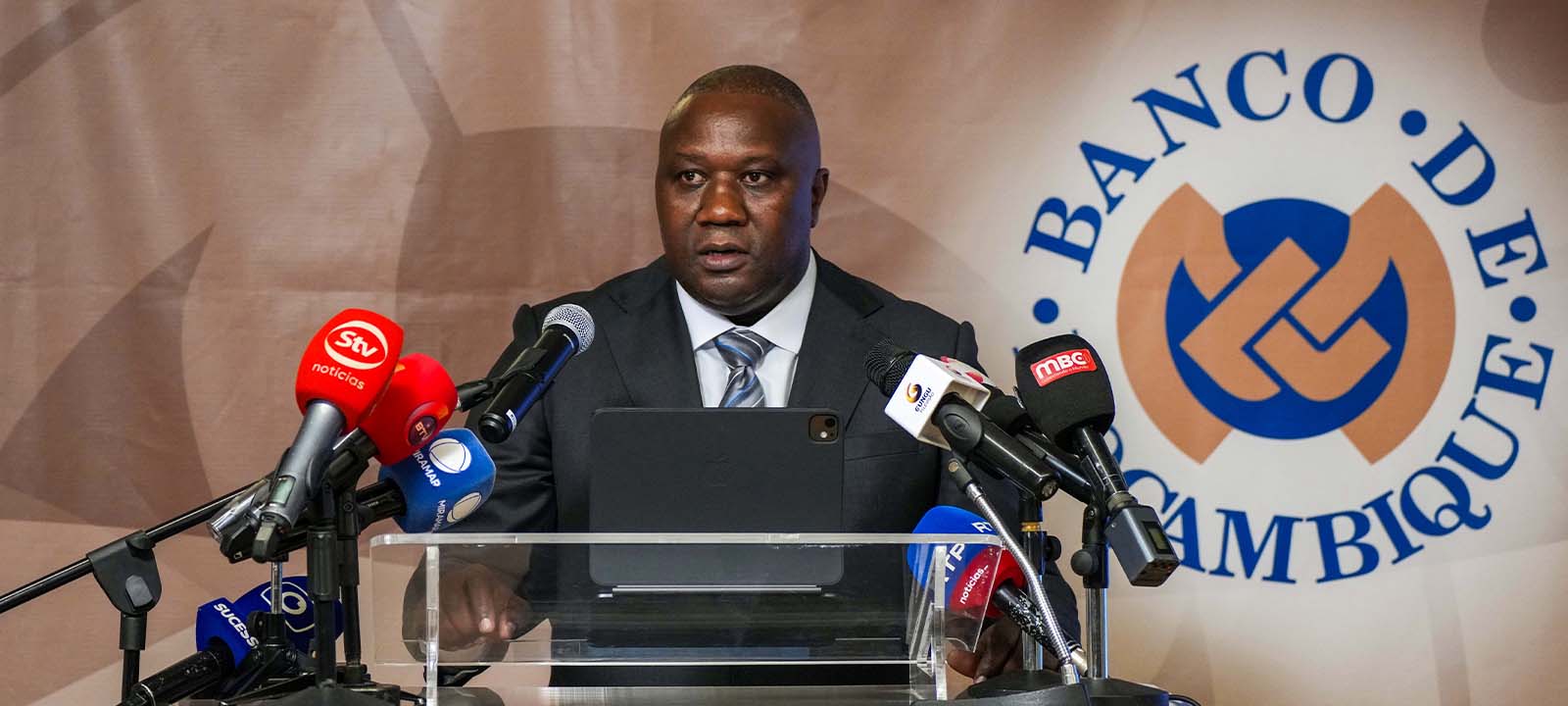
Banco de Moçambique: Alters Mandatory Reserve Regime, Maintains MIMO Rate
The Banco de Moçambique (Bank of Mozambique) decided to maintain its monetary policy interest rate, known as the MIMO rate, at 9.25% but announced an alteration to the mandatory reserve regime, effective from the next constitution period. This decision, made by the Monetary Policy Committee, was justified by the prevalence of risks and uncertainties in the economic environment, signaling a cautious approach to monetary management in the country.
This development carries significant legal and economic implications for financial institutions and businesses operating in Mozambique. The maintenance of the MIMO rate at 9.25% suggests a continued effort by the central bank to manage inflation and stabilize the economy, which directly impacts the cost of borrowing and lending across the financial sector. More critically, the alteration of the mandatory reserve regime will directly affect the liquidity and lending capacity of commercial banks. A change in reserve requirements can either free up capital for lending or restrict it, thereby influencing credit availability, interest rates offered to consumers and businesses, and ultimately, the overall economic growth trajectory.
The Banco de Moçambique operates under its organic law, which grants it the mandate to formulate and implement monetary policy, ensure financial stability, and supervise the banking system. Its decisions on the MIMO rate and mandatory reserve requirements are primary tools for achieving these objectives, as enshrined in legislation governing the central bank's functions and the financial system. The Monetary Policy Committee is the designated body within the central bank responsible for these critical policy decisions. Key parties involved include the Banco de Moçambique, its Monetary Policy Committee, all commercial banks licensed to operate in Mozambique, and, by extension, all businesses and individuals reliant on the banking sector for credit and financial services.
For legal practitioners, particularly those advising financial institutions, corporate clients, or investors in Mozambique, this announcement necessitates close monitoring. Attorneys should assess the potential impact of the altered mandatory reserve regime on their clients' financial health, lending strategies, and compliance obligations. Businesses, in turn, should evaluate how these monetary policy adjustments might affect their financing costs, investment plans, and overall operational liquidity. Understanding the central bank's rationale and anticipating future policy shifts will be crucial for strategic planning and risk management in the Mozambican market.
How does this affect you?
Get an AI analysis of this article grounded in your jurisdictions, practice areas, and any policy documents you've uploaded to Wansom.
Finish Reading the Full Story and the Expert Analysis.
Get the latest legal & regulatory intelligence in Mozambique
Wansom is AI and can make mistakes.