
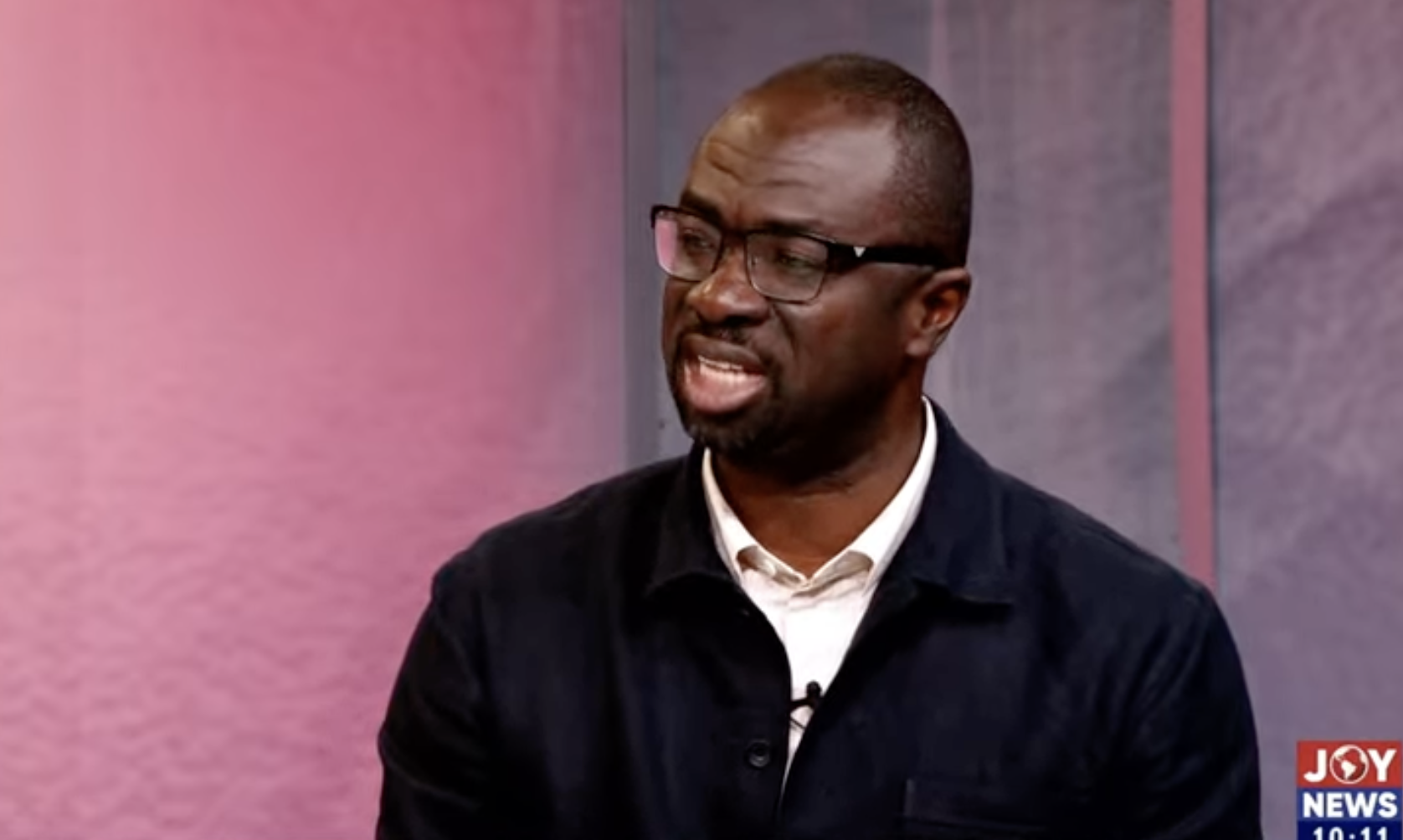
Ghana MP: Baffour Awuah Botched EOCO Arrest Attempt Alleged
Summary
- Manhyia South MP Nana Agyei Baffour Awuah recounted an incident where a woman attempted to take him to the Economic and Organised Crime Office (EOCO) on September 23, 2026.
- The woman reportedly held his wrist firmly and insisted he enter "their car" after he offered to drive himself to EOCO.
- She was unable to produce identification when requested, leading Mr. Awuah to suspect an abduction attempt.
- Mr. Awuah sought sanctuary in Parliament, asserting the attempt was an "unlawful arrest" and not a legitimate detention.
- He stated his willingness to cooperate with EOCO if proper legal procedures are followed.
Alleged Unlawful Detention Attempt
This event serves as a critical reminder of the necessity for law enforcement and investigative agencies to strictly follow legal procedures, including proper identification and communication of authority, when engaging with citizens.
Manhyia South Member of Parliament, Nana Agyei Baffour Awuah, recently recounted a concerning incident where a woman allegedly attempted to compel him to accompany her to the Economic and Organised Crime Office (EOCO). The encounter, which the lawyer described as a botched EOCO arrest, occurred on a Wednesday, September 23, 2026, shortly after he had participated in a court proceeding and addressed members of the media. According to Mr. Awuah, the woman approached him and asserted that he was required at the investigative body.
The situation escalated when the woman reportedly gripped Mr. Awuah's wrist firmly. He described her physical strength as remarkable, stating he had never encountered a woman so strong. The hold was so tight that the MP found it necessary to forcibly free himself from her grasp. This Nana Agyei Baffour Awuah EOCO incident quickly raised questions about the legitimacy of the attempted detention.
Questions of Authority and Due Process
Following the initial physical contact, Mr. Awuah offered to drive himself to the Economic and Organised Crime Office, but the woman reportedly rejected this proposition. Instead, she was insistent on preventing him from entering his own vehicle, indicating her intention to "arrest" him "like a common criminal" and transport him in "their car." This refusal to allow self-transport further fueled Mr. Awuah's suspicions regarding the nature of the interaction.
Crucially, when Mr. Awuah requested identification to verify her affiliation with EOCO, the woman was unable to produce any credentials. This failure to establish her authority or identity led the MP to suspect that the incident might be an abduction rather than a legitimate law enforcement action. He expressed concern that it resembled "state-sponsored kidnappings" that he believed had been occurring, leading him to refuse to enter her vehicle.
Parliamentary Sanctuary and Legal Rights
In the aftermath of the Ghana unlawful arrest attempt, Mr. Awuah sought sanctuary within Parliament. He firmly rejected any suggestion that he was attempting to evade a lawful arrest, characterizing the event as an "unlawful arrest" and an "attempt to abduct" by individuals unwilling to operate within legal frameworks. He maintained that seeking refuge in such circumstances was entirely justified, likening it to seeking protection from kidnappers.
Mr. Awuah emphasized his readiness to cooperate with the Economic and Organised Crime Office, provided that proper legal procedures are followed. He stated unequivocally that he is not afraid of any investigation and will present himself to EOCO once they are prepared to conduct matters appropriately. His stance underscores the importance of adherence to due process in all interactions between state agencies and citizens.
Broader Implications for State Agencies
The Nana Agyei Baffour Awuah EOCO incident highlights significant concerns regarding the conduct of state investigative bodies and the rights of individuals. The alleged lack of proper identification and the insistence on a particular mode of transport, coupled with the physical restraint, raise questions about adherence to established protocols for arrests and detentions. Such incidents can erode public trust in institutions like the Economic and Organised Crime Office Ghana.
This event serves as a critical reminder of the necessity for law enforcement and investigative agencies to strictly follow legal procedures, including proper identification and communication of authority, when engaging with citizens. For individuals, it underscores the importance of understanding their rights, particularly in situations involving potential detention, and the need to verify the credentials of those claiming official authority. The MP parliamentary sanctuary EOCO aspect further complicates the narrative, bringing into focus the protections afforded to elected officials while also emphasizing the universal right to due process.
Practical Implications
This incident highlights the critical importance for lawyers and compliance officers to advise clients on their rights regarding lawful arrest procedures and the necessity of verifying the identity and legal authority of individuals claiming to be law enforcement or investigative officers. It underscores potential risks of unlawful detention attempts and the need for strict adherence to due process by state agencies.
Source
How does this affect you?
Get an AI analysis of this article grounded in your jurisdictions, practice areas, and any policy documents you've uploaded to Wansom.
Finish Reading the Full Story and the Expert Analysis.
Get the latest legal & regulatory intelligence in Ghana
Wansom is AI and can make mistakes.