
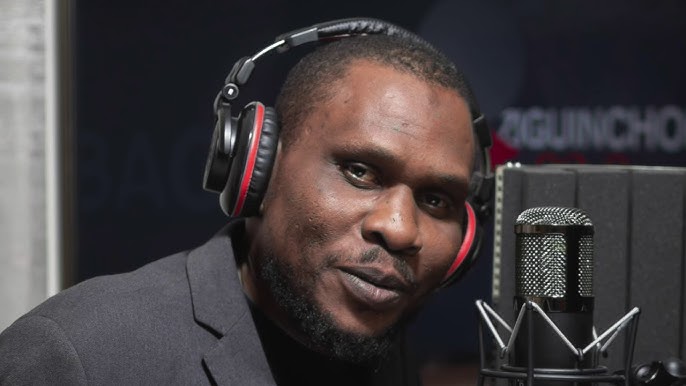
Babacar Fall: Journalist Receives Menaces After Serigne Abou Sy Émission
Summary
- Journalist Babacar Fall reported receiving insults, malicious calls, and death threats after his interview with Serigne Abou Sy on "RFM Matin."
- The controversial interview discussed tensions within the influential Sy family, following a public statement by Serigne Moustapha Sy.
- Babacar Fall has a history of facing legal consequences for his media statements and has also filed a defamation complaint against another journalist.
- This incident highlights significant concerns regarding the safety of journalists in Senegal when covering sensitive religious and family topics.
- The situation underscores the complex interplay of freedom of expression, potential defamation claims, and personal risks for media professionals.
Journalist Faces Threats After Controversial Broadcast
The current "Babacar Fall menaces mort" situation, following the "Babacar Fall menaces Serigne Abou Sy émission," brings to the forefront the critical issue of "sécurité journalistes Sénégal" when covering sensitive religious and family topics, emphasizing the potential for both judicial and personal repercussions that can arise from media controversies.
Senegalese journalist Babacar Fall, known for hosting "RFM Matin," has publicly disclosed receiving a barrage of insults, malicious phone calls, and death threats. These alarming communications began immediately following the broadcast of his interview with Serigne Abou Sy. Fall took to social media to denounce these actions, expressing profound concern over the intense public reaction to the program, which aired the previous day. He specifically stated, "Des insults et des menaces de mort depuis ce matin… Vous êtes des lâches !" highlighting the severity of the intimidation he is experiencing.
The interview at the center of this controversy featured Serigne Abou Sy, a prominent figure and son of Serigne Cheikh Ahmed Tidiane Sy Al Maktoum. The broadcast occurred just one day after Serigne Moustapha Sy had made a public statement, setting the stage for a potentially sensitive discussion. According to reports from ndarinfo, the conversation primarily addressed ongoing tensions within the influential Sy family, a topic that subsequently ignited widespread public debate and strong reactions, ultimately leading to the threats now targeting Babacar Fall.
Deep-Seated Family Dispute Fuels Public Outcry
The core of the public controversy stems from a significant dispute among the children of Serigne Cheikh Tidiane Sy Al Maktoum. This familial discord has led to a polarization of opinions, with distinct factions emerging to support either Serigne Moustapha Sy or Serigne Abou Sy. The interview conducted by Babacar Fall with Serigne Abou Sy, which delved into these sensitive internal family matters, served to amplify these divisions and bring the contentious issues into the public spotlight, thereby generating the intense reactions that Babacar Fall has since denounced.
This incident underscores the volatile nature of reporting on religious and familial affairs in Senegal, where media coverage can quickly escalate into widespread public debate and personal repercussions for journalists. The "Serigne Abou Sy interview controverse" has thus become a focal point for discussions about the boundaries of media reporting and the potential for public backlash when sensitive topics are explored.
Prior Legal Encounters and Broader Implications
This is not the first time Babacar Fall has found himself entangled in legal and public disputes stemming from his media engagements. He has a history of facing judicial consequences related to his public statements and interviews. Notably, he was questioned by the Sûreté urbaine on October 28, 2025, following an interview he conducted with Madiambal Diagne, indicating a pattern of scrutiny over his journalistic activities.
Furthermore, Babacar Fall himself has initiated legal action against another journalist. In a separate proceeding, journalist Serigne Saliou Gueye was summoned and questioned by the Division spéciale de la cybersécurité in response to a defamation complaint filed by Babacar Fall. This past legal action for "diffamation Babacar Fall" highlights the dual role journalists can play, both as subjects of legal scrutiny and as plaintiffs, underscoring the complex legal landscape surrounding media in Senegal. The current "Babacar Fall menaces mort" situation, following the "Babacar Fall menaces Serigne Abou Sy émission," brings to the forefront the critical issue of "sécurité journalistes Sénégal" when covering sensitive religious and family topics, emphasizing the potential for both judicial and personal repercussions that can arise from media controversies.
Why It Matters for Journalist Safety and Legal Scrutiny
The recent threats against Babacar Fall, a prominent figure on "RFM Matin Babacar Fall," serve as a stark reminder of the ongoing risks faced by journalists in Senegal, particularly when their reporting touches upon sensitive religious or familial disputes. This incident highlights the precarious balance between freedom of expression and the potential for legal action, such as defamation, or even personal safety threats. Legal professionals and media watchdogs are closely monitoring this situation, as it exemplifies the challenges journalists encounter in their pursuit of reporting on matters of public interest.
The confluence of public outrage, personal threats, and the history of legal entanglements for journalists like Babacar Fall underscores the urgent need for robust protections for media practitioners. The incident not only raises concerns about the immediate safety of individuals but also points to broader issues concerning the environment in which Senegalese journalists operate, where the line between public discourse and personal danger can become dangerously blurred.
Practical Implications
This incident underscores the ongoing legal and personal risks faced by journalists in Senegal when reporting on sensitive religious or familial disputes, highlighting potential issues around freedom of expression, defamation, and journalist safety that legal professionals should monitor. It also serves as a reminder of the potential for legal action (e.g., defamation) arising from media coverage of such controversies.
Source
Source: Original reporting via ndarinfo
How does this affect you?
Get an AI analysis of this article grounded in your jurisdictions, practice areas, and any policy documents you've uploaded to Wansom.
Finish this article free. Just your email for instant unlock.
Wansom is AI and can make mistakes.