
Ayib Daffé, Sénégal: Carte Identité Biométrique Bill Returned to Committee
Summary
- Ayib Daffé, president of the Pastef parliamentary group, raised concerns after the biometric identity card bill was returned to committee.
- He questioned issues related to the electoral card and the extension of current legal provisions.
- The legislative development highlights potential complexities for Senegal's electoral administration.
- The integration of a new biometric identity system with existing electoral processes is a key point of contention.
Legislative Scrutiny in Senegal
Lawyers advising on electoral processes or administrative law in Senegal should closely monitor the progression of the biometric identity card bill.
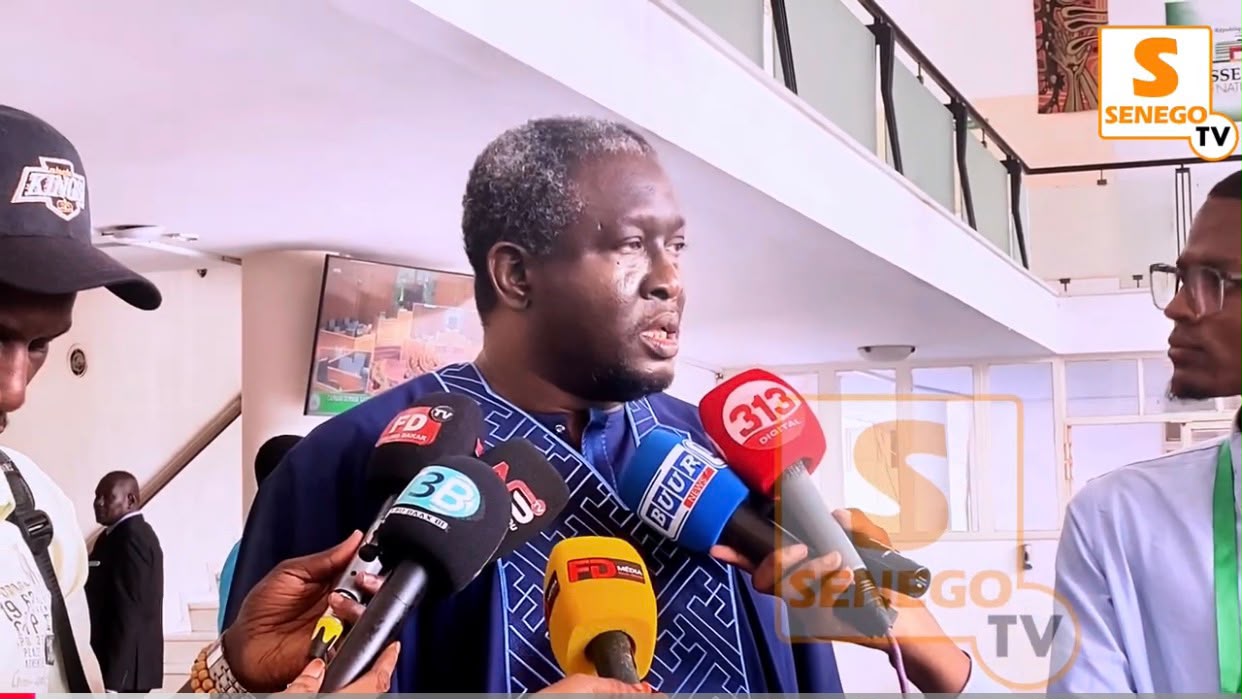
Ayib Daffé, who serves as the president of the Pastef parliamentary group, recently voiced significant concerns following a key legislative development in Senegal. His intervention came after the proposed biometric identity card bill was sent back to a parliamentary committee for further review, a procedural move that often signals deeper scrutiny or unresolved issues.
During his address, the prominent deputy specifically highlighted several critical questions pertaining to the nation's electoral card system. He also raised queries regarding the ongoing extension of existing legal provisions, suggesting potential complexities or ambiguities in the current legislative landscape. The focus of his remarks underscored the intricate relationship between national identification documents and the integrity of the electoral process in Senegal.
Biometric Identity and Electoral Implications
The decision to return the biometric identity card bill to committee has sparked a broader discussion about its potential impact on the `Sénégal projet loi carte électorale`. This legislative maneuver by the `carte d'identité biométrique commission` is not merely a procedural step; it directly influences the framework governing voter identification and eligibility. The `Ayib Daffé Sénégal carte identité biométrique` debate centers on how a new national identification system will integrate with, or potentially replace, the current electoral card system.
Mr. Daffé's questioning of the extension of current provisions suggests that there might be a reliance on older regulations while the new biometric system is still under development or facing parliamentary hurdles. This interim period, and the legislative choices made within it, could create a complex situation for electoral administration, potentially affecting voter registration timelines and the validity of existing electoral documents. The `Pastef groupe parlementaire Ayib Daffé` is clearly advocating for clarity and foresight in this critical area of `législation électorale Sénégal`.
Challenges for Electoral Administration
The concerns articulated by Ayib Daffé point to a significant challenge for Senegal's electoral administration, particularly regarding the future of the electoral card. The parliamentary group president's intervention underscores the potential for a 'headache' or complex problem arising from the interplay between the new biometric identity card and the established electoral process. This situation demands careful consideration to avoid disruptions in voter registration or the conduct of future elections.
Lawyers advising on electoral processes or administrative law in Senegal should closely monitor the progression of the biometric identity card bill. Its return to committee, and the subsequent implications for the electoral card, could directly influence voter registration procedures, eligibility criteria, and overall election-related compliance. The ongoing legislative discussions are crucial for ensuring a smooth and transparent electoral cycle in the country.
Practical Implications
Lawyers advising on electoral processes or administrative law in Senegal should monitor the progress of the biometric identity card bill, as its return to committee and implications for the electoral card could affect voter registration, eligibility, and election-related compliance.
Source
Source: Original reporting via Senego TV
How does this affect you?
Get an AI analysis of this article grounded in your jurisdictions, practice areas, and any policy documents you've uploaded to Wansom.
Finish Reading the Full Story and the Expert Analysis.
Get the latest legal & regulatory intelligence in Senegal
Wansom is AI and can make mistakes.