
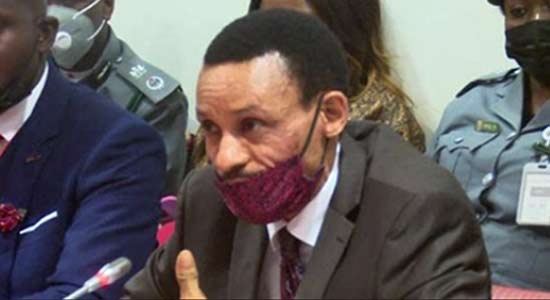
Auditor-General Queries CCT ₦52.2M Contracts for Procurement Non-Compliance
In Nigeria, the Office of the Auditor-General for the Federation recently queried 52 contracts, valued at ₦52.2 million, awarded by the Code of Conduct Tribunal (CCT) in 2023 under the chairmanship of Danladi Umar, due to a lack of evidence that procurement records were transmitted to the Bureau of Public Procurement (BPP) as legally mandated.
This query by the Auditor-General highlights a significant issue of non-compliance with public procurement regulations, which is crucial for transparency, accountability, and the prevention of corruption in government contracts. For legal practitioners, it underscores the strict requirements of public procurement law and the potential legal ramifications for public officials and entities that fail to adhere to them. Such queries often precede further investigations, potential administrative sanctions, or even criminal proceedings, emphasizing the need for meticulous record-keeping and adherence to due process in public sector transactions. The absence of evidence of transmission suggests a potential breakdown in internal controls and oversight.
The legal context for this query is primarily the Public Procurement Act, 2007 (PPA), which governs the procurement of goods, works, and services by federal government ministries, departments, and agencies in Nigeria. Specifically, the Act mandates transparency and due process, including the transmission of procurement records to the Bureau of Public Procurement (BPP) for oversight and monitoring. The Auditor-General's role is established under Section 85 of the 1999 Constitution (as amended), empowering the office to audit public accounts and report on financial irregularities. The Code of Conduct Tribunal, as a public body, is subject to these procurement laws. The query itself is an administrative action, but it can trigger further legal processes if the explanations provided are deemed unsatisfactory or if evidence of malfeasance is uncovered.
The key parties involved are the Office of the Auditor-General for the Federation, which issued the query; the Code of Conduct Tribunal (CCT), the public body whose contracts are under scrutiny; and Danladi Umar, who was the chairman of the CCT during the period the contracts were awarded. The Bureau of Public Procurement (BPP) is also a crucial entity, as it is the statutory body to which the records should have been transmitted.
Attorneys advising public sector entities, contractors, or individuals involved in government procurement must ensure strict compliance with the Public Procurement Act, 2007, and its subsidiary regulations. This includes meticulous documentation, timely submission of records to the BPP, and adherence to all procedural requirements. Failure to do so can lead to queries, audits, investigations, and potential legal liabilities for both the procuring entity and its officials. Practitioners should also be prepared to assist clients in responding to audit queries and navigating the administrative and potential judicial processes that may follow, emphasizing the importance of robust internal compliance frameworks.
How does this affect you?
Get an AI analysis of this article grounded in your jurisdictions, practice areas, and any policy documents you've uploaded to Wansom.
Finish Reading the Full Story and the Expert Analysis.
Get the latest legal & regulatory intelligence in Nigeria
Wansom is AI and can make mistakes.