
Atomaase Royal Family: Appeals to End Twafohene Land Dispute Lawsuit
Summary
- The Atomaase Royal family in Techiman Metropolis has urged Joseph Adom, a family member, to withdraw his lawsuit against the Twafohene.
- The lawsuit concerns the sale of royal lands, but the family asserts the Twafohene acted properly and used proceeds for family development.
- Senior family members, including the Queenmother, Abusuapanin, and Obaapanin, have called for an out-of-court settlement through traditional structures.
- The Abusuapanin attempted to resolve the dispute locally before the case was filed in court.
- The Joseph Adom lawsuit Atomaase family remains pending, and Adom has not yet responded to the family's public appeal.
Royal Family Seeks Withdrawal of Land Lawsuit
This ongoing Atomaase Royal family Twafohene land dispute exemplifies the complex interplay between Ghana's formal judicial system and its deeply entrenched traditional dispute resolution land mechanisms.
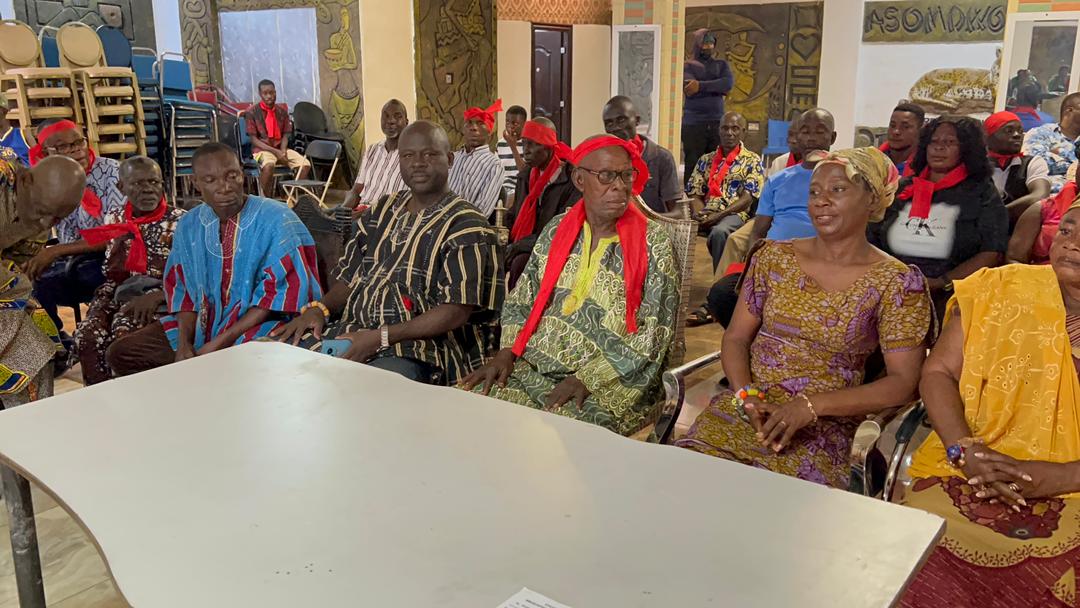
The Atomaase Royal family in Ghana's Techiman Metropolis has publicly appealed to one of its members, Joseph Adom, to discontinue a lawsuit he initiated against the Twafohene, the traditional head of their gate. The family convened a press conference on Saturday at the palace grounds, expressing unified support for the Twafohene and advocating for an internal, amicable resolution to the ongoing Atomaase Royal family Twafohene land dispute.
The core of the legal contention revolves around the sale of royal lands. However, the Atomaase Royal family maintains that the Twafohene acted appropriately in these transactions. They assert that the proceeds generated from the land sales were directly channeled into developmental projects benefiting the entire royal household, specifically citing the construction of an improved palace facility. This stance underscores the family's belief that the Twafohene's actions were in the collective interest.
Despite the family's public plea for an Atomaase Royal family out-of-court settlement, the Joseph Adom lawsuit Atomaase family remains active. As of the latest reports, the case is still pending before the court, and Joseph Adom has not yet issued a public response to the family's appeal for withdrawal and internal resolution.
Pressure for Traditional Dispute Resolution
The family's appeal highlights the significant cultural pressure for resolving disputes through traditional mechanisms rather than formal legal channels, particularly in matters concerning land and chieftaincy. Nana Ama Oswusuaa Gyeduaa II, the Queenmother of the Twafo Royal Gate, emphasized the Twafohene's role as a unifying figure and expressed concern over the decision to pursue the matter in court. She reiterated that the funds from the Techiman Metropolis royal land sale were utilized for the family's collective good, specifically for a more befitting palace.
The Abusuapanin, another senior member of the family, revealed that he had made multiple attempts to mediate the dispute locally before the Joseph Adom lawsuit Atomaase family was formally filed. He lamented Adom's choice to bypass these traditional avenues. Similarly, Nana Abena Kyeremaa, the Obaapanin of the family, urged all parties to withdraw the court case immediately, stressing the importance of family unity and ancestral traditions in resolving conflicts through dialogue.
These statements collectively underscore a strong desire within the Atomaase Royal family to uphold traditional dispute resolution land practices, viewing the court system as an external and less desirable alternative for internal family matters.
Interplay of Legal Systems and Cultural Norms
This ongoing Atomaase Royal family Twafohene land dispute exemplifies the complex interplay between Ghana's formal judicial system and its deeply entrenched traditional dispute resolution land mechanisms. The family's public rallying behind the Twafohene and their fervent calls for an out-of-court settlement illustrate the powerful cultural imperative within royal families to maintain internal harmony and resolve conflicts through consensus, rather than adversarial litigation.
The situation also brings to the fore the challenges faced by legal practitioners advising clients in such contexts. The significant cultural pressure for an Atomaase Royal family out-of-court settlement, coupled with the potential impact of royal family interventions on litigation strategy, demands a nuanced approach. This case serves as a reminder that while formal legal avenues are available, the influence of traditional authority and community expectations can heavily sway the trajectory and desired outcome of disputes, particularly those involving royal land and chieftaincy in the Techiman Metropolis.
Practical Implications
This case highlights the ongoing tension and interplay between formal court proceedings and traditional dispute resolution mechanisms in Ghana, particularly concerning land and chieftaincy matters. Lawyers advising clients involved in such disputes should consider the significant cultural pressure for out-of-court settlements and the potential impact of royal family interventions on litigation strategy and client interests.
Source
How does this affect you?
Get an AI analysis of this article grounded in your jurisdictions, practice areas, and any policy documents you've uploaded to Wansom.
Finish Reading the Full Story and the Expert Analysis.
Wansom is AI and can make mistakes.