
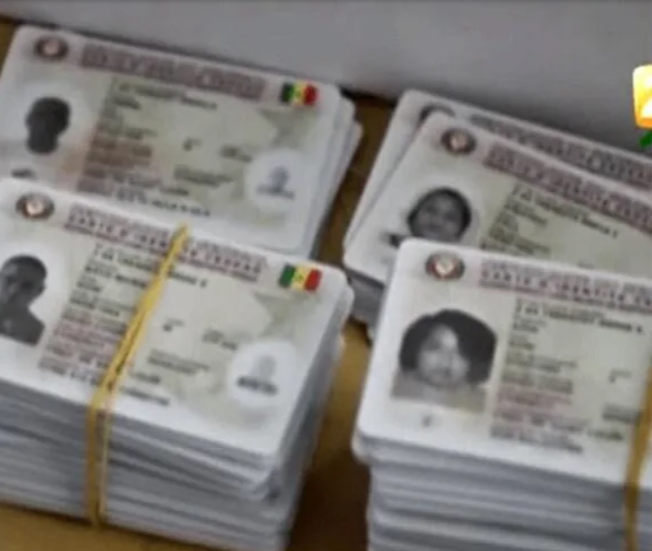
Assemblée Nationale Sénégal: Reviews Projet Loi 21/2026 Carte CEDEAO
Summary
- The Senegalese National Assembly is scheduled to consider bill n°21/2026 on Friday, September 18, 2026.
- This bill aims to modify law n°2016-09, which established the ECOWAS biometric identity card on March 14, 2016.
- The existing ECOWAS biometric identity card has been in service for ten years.
- The proposed legislation seeks to introduce a new generation of biometric identity cards for Senegal.
- Bill n°21/2026 is one of five items on the agenda for the Assembly's third session.
Legislative Agenda in Focus
The potential enactment of bill n°21/2026 carries significant implications for citizens and administrative procedures across Senegal.
The Senegalese National Assembly is poised to address a crucial legislative matter on Friday, September 18, 2026. Among the five items slated for discussion during its third session, a particular focus will be directed towards bill n°21/2026. This proposed legislation represents a significant development in the country's identity management framework, signaling an impending review of established protocols.
The primary objective of this Projet loi 21/2026 carte CEDEAO is to introduce amendments to an existing statute, specifically law n°2016-09. This original law, enacted on March 14, 2016, was instrumental in establishing the current framework for the ECOWAS biometric identity card. The legislative body's consideration of this bill underscores a move towards updating the foundational legal instruments governing national and regional identification.
Deliberations surrounding the Assemblée nationale Sénégal loi 21/2026 are expected to pave the way for a new iteration of identity documents. The proposed changes are anticipated to usher in a "new generation" of biometric identity cards, indicating a potential overhaul of the features, security, or administrative processes associated with these vital documents. This initiative reflects an ongoing commitment to modernizing identity infrastructure within Senegal.
Evolution of Identity Documentation
The current legislative push to modify the identity card system builds upon a decade of service provided by the existing ECOWAS biometric identity card. Instituted by loi 2016-09 carte biométrique Sénégal, which came into effect on March 14, 2016, this card has served as a cornerstone of personal identification and regional integration for ten years. Its introduction marked a significant step in aligning Senegal's identity documents with regional standards set by the Economic Community of West African States.
The original law, n°2016-09, laid the groundwork for a secure, biometric identification system designed to facilitate movement and transactions across ECOWAS member states. This framework is a critical component of droit administratif Sénégal identité, ensuring verifiable identification for citizens in various administrative and civic contexts. The longevity of this system, now a decade in operation, highlights the stability and importance of the initial legislative enactment.
The impending modification carte identité CEDEAO through bill n°21/2026 suggests that while the core principles of biometric identification and regional compatibility remain, there is a recognized need for adaptation. Such legislative updates often arise from technological advancements, evolving security requirements, or changes in regional policy, aiming to enhance the efficacy and relevance of identity documents for the next era.
Implications for a New Era of Identification
The potential enactment of bill n°21/2026 carries significant implications for citizens and administrative procedures across Senegal. By moving towards a nouvelle carte biométrique Sénégal, the government signals an intention to upgrade the technology and possibly the functionality of national identity cards. This could involve enhanced security features, updated biometric data capture methods, or even expanded digital capabilities, impacting how individuals interact with public and private services.
The proposed modification carte identité CEDEAO is not merely a technical update; it represents a strategic adjustment within the broader framework of droit administratif Sénégal identité. Such changes often necessitate revisions in how identity is verified for legal transactions, banking, travel, and other essential services. Stakeholders, including legal professionals and compliance officers, will need to closely monitor the legislative trajectory of the Projet loi 21/2026 carte CEDEAO to understand potential new requirements.
As the National Assembly proceeds with its review on September 18, 2026, the outcome of this legislative process will shape the future of identity documentation in Senegal for years to come. The introduction of a "new generation" of biometric cards underscores a commitment to maintaining robust and secure identification systems, essential for both national governance and seamless regional integration within ECOWAS.
Practical Implications
Lawyers and compliance officers in Senegal should monitor the legislative process of bill n°21/2026, as its potential enactment will modify the existing law on ECOWAS biometric identity cards. This could introduce new requirements for identity verification or administrative procedures impacting client transactions and compliance.
Source
How does this affect you?
Get an AI analysis of this article grounded in your jurisdictions, practice areas, and any policy documents you've uploaded to Wansom.
Finish Reading the Full Story and the Expert Analysis.
Get the latest legal & regulatory intelligence in Senegal
Wansom is AI and can make mistakes.