
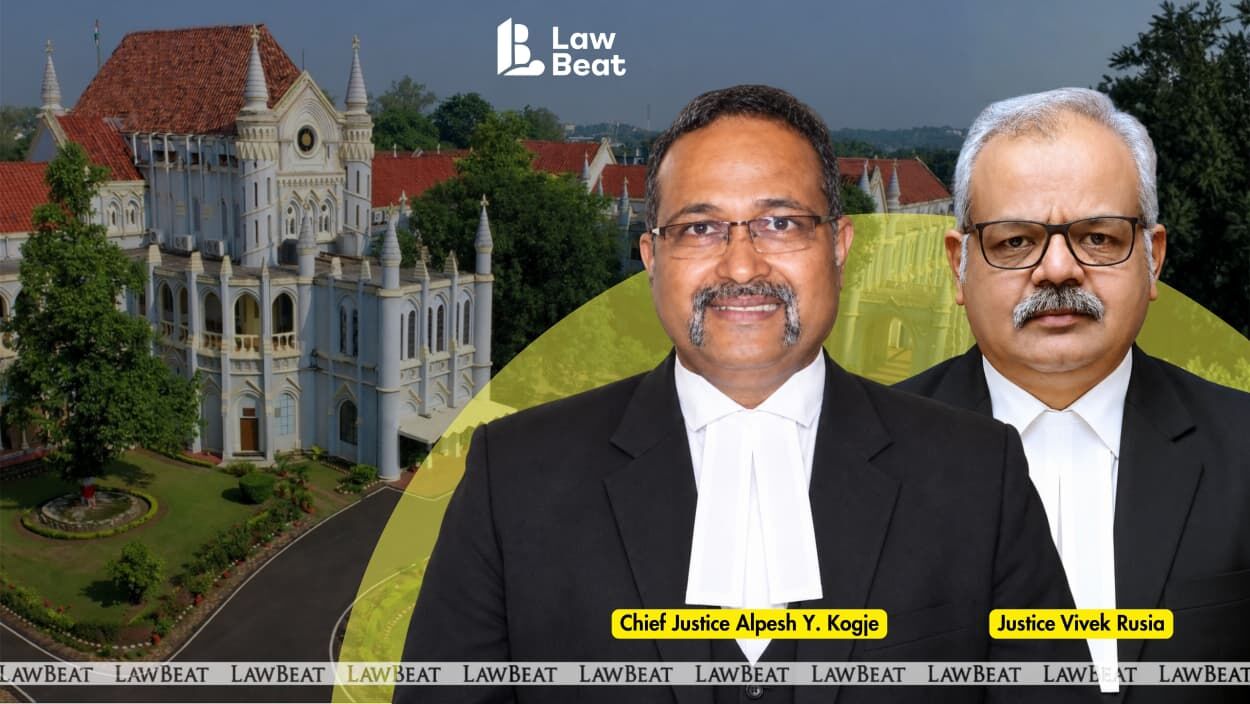
MP High Court: Ashok Patel v State of MP — Bars Minor Marriage, Secures Education
Summary
- The Madhya Pradesh High Court disposed of a father's habeas corpus petition for his missing 14-year-old daughter, Ashok Patel v State of MP.
- The court warned the father not to marry his daughter before she turns 18 or restrict her from pursuing further studies, addressing her fear of child marriage.
- Lady Constable Neelam Thakur was appointed as the girl's 'Sakhi' to monitor her well-being and ensure compliance with the court's order.
- This ruling by Chief Justice Alpesh Y. Kogje and Justice Vivek Rusia on September 17, 2026, emphasizes judicial intervention to protect minors' rights and education.
- The decision highlights the use of habeas corpus beyond mere production, incorporating safeguards like the Sakhi monitoring mechanism to prevent child marriage and ensure educational rights.
What Happened
This case sets a precedent for how courts can leverage existing legal remedies to enforce child protection laws and uphold educational rights, particularly in the context of preventing minor marriage age India.
Ashok Patel initiated a habeas corpus petition before the Madhya Pradesh High Court, Jabalpur Bench, seeking the production of his 14-year-old daughter, who had gone missing. The daughter, born on October 21, 2011, had disappeared from her residence in Gopalganj, Sagar district, on July 27, 2026. Her disappearance led to the registration of an FIR at Police Station Gopalganj, designated as Crime No. 335 of 2026, against an unidentified individual.
During the hearing on September 17, 2026, the minor was presented before the court by Assistant Sub Inspector Karan Singh Markam and Lady Constable Neelam Thakur of Police Station Gopalganj. Initially, the girl expressed reluctance to return to her parents. However, following mediation and conciliation efforts led by Advocate Nirmala Nayak, who assisted the court as a mediator, she ultimately agreed to reunite with her family.
Crucially, throughout this process, the daughter articulated a significant concern to the court: her apprehension that her father might pressure her into marriage before she reached the legal age of 18 for women in India. This specific fear became a pivotal element for the Division Bench, comprising Chief Justice Alpesh Y. Kogje and Justice Vivek Rusia, as they considered the resolution of the petition.
Judicial Intervention and Safeguards
In response to the daughter's stated apprehension, the Madhya Pradesh High Court issued unequivocal directives to Ashok Patel. The court explicitly cautioned the father against arranging his daughter's marriage prior to her attaining the legal marriageable age of 18. Furthermore, the bench mandated that he must not obstruct her pursuit of further education, thereby upholding her fundamental right to continue her studies. These binding instructions were formally recorded in the court's order, placing clear obligations on the father regarding both marriage and education.
To ensure the practical implementation of these judicial safeguards and prevent them from being merely symbolic, the court established a robust monitoring mechanism. Lady Constable Neelam Thakur, who had been instrumental in bringing the girl before the court, was designated as her "Sakhi," or companion. This role requires her to maintain consistent contact with the minor after her return home, providing an ongoing link to authorities.
The appointment of a "Sakhi" serves as a vital measure, offering the minor an accessible point of contact within the police system. This arrangement is designed to facilitate the immediate reporting of any attempts to contravene the court's warnings, whether concerning her marriage or her educational aspirations, thereby ensuring that her autonomy and future are continuously protected even after the formal conclusion of the habeas corpus proceedings.
Legal Context and Significance
The ruling in Ashok Patel v. The State of Madhya Pradesh by the Madhya Pradesh High Court marks a significant development in judicial practice, particularly concerning child protection in India. While habeas corpus petitions traditionally focus on securing the physical presence of an individual, this case demonstrates the court's proactive expansion of its scope to impose conditions that safeguard a child's future well-being and rights. The Division Bench, consisting of Chief Justice Alpesh Y. Kogje and Justice Vivek Rusia, extended its intervention beyond merely facilitating the girl's return, directly addressing her specific fears regarding child marriage and potential educational deprivation.
This decision highlights the judiciary's increasing willingness to investigate the home environment awaiting a child and to implement protective measures, such as the explicit warning against child marriage and the directive to support the daughter's education rights India. The establishment of the 'Sakhi' monitoring mechanism, involving Lady Constable Neelam Thakur, further exemplifies this commitment to practical, ongoing child protection. This innovative approach ensures that judicial pronouncements translate into tangible safeguards for minors, providing them with a continuous link to authorities should their rights be threatened, making it a notable instance of habeas corpus child protection India.
Advocate Aseem Dixit represented the petitioner, Ashok Patel, while Government Advocate Rajvardhan Dutt Pararha appeared for the State of Madhya Pradesh. The petition was ultimately disposed of on September 17, 2026, after the daughter agreed to return home and the comprehensive safeguards were put in place. This case sets a precedent for how courts can leverage existing legal remedies to enforce child protection laws and uphold educational rights, particularly in the context of preventing minor marriage age India.
Practical Implications
Lawyers and compliance officers in India should note this ruling as it demonstrates the MP High Court's proactive approach in using habeas corpus petitions to impose conditions beyond mere production of a minor, specifically to prevent child marriage and ensure educational rights. This case sets a precedent for judicial intervention and the implementation of monitoring mechanisms like the 'Sakhi' system to safeguard a child's autonomy and future, which could be cited in similar child protection or family law matters.
Source
How does this affect you?
Get an AI analysis of this article grounded in your jurisdictions, practice areas, and any policy documents you've uploaded to Wansom.
Finish Reading the Full Story and the Expert Analysis.
Get the latest legal & regulatory intelligence in India
Wansom is AI and can make mistakes.