
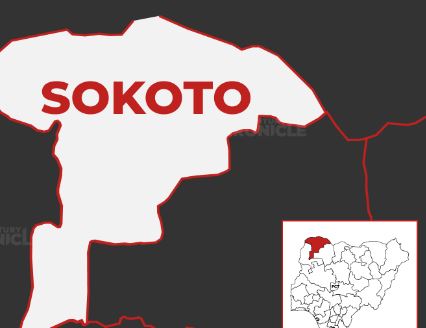
Asada: Sokoto Mosque Committee Impartiality Questioned Amid Probe
Summary
- The Sokoto State Government formed a 14-member advisory committee to investigate an incident at the Lukuwa Jumu’at Mosque.
- The committee is tasked with probing an attack on Sheikh Musa Ayuba Lukuwa and the subsequent death of his alleged attacker in Mabera, Sokoto metropolis.
- A fresh controversy has emerged, with Asada raising concerns about the committee's impartiality.
- The integrity of the investigation and its findings depends heavily on the committee's perceived and actual neutrality.
- Potential impartiality issues could lead to challenges against the committee's conclusions and raise questions about due process.
Formation of the Investigative Committee
The impartiality of any government-appointed advisory committee, especially one investigating an attack on a religious leader and a subsequent death, is paramount.
The Sokoto State Government has established a 14-member advisory committee tasked with probing the circumstances surrounding a significant incident in the Sokoto metropolis. This committee's primary mandate is to thoroughly investigate an attack that occurred at the Lukuwa Jumu’at Mosque in Mabera, specifically targeting Sheikh Musa Ayuba Lukuwa.
The scope of the investigation extends beyond the initial assault to include the subsequent death of an individual identified as the alleged attacker of Sheikh Musa Ayuba Lukuwa. This dual focus underscores the gravity of the events that prompted the government's intervention and the formation of this specialized body to ascertain the full facts.
Allegations of Bias and Public Concern
Despite the official formation of this investigative body, a new controversy has quickly arisen, casting a shadow over its operations. Concerns have been publicly voiced by an entity identified as Asada, specifically questioning the impartiality of the 14-member committee.
These concerns highlight a critical aspect of any official inquiry: the need for perceived and actual neutrality. The integrity of the committee's findings, particularly in sensitive cases involving community figures and fatalities, hinges significantly on its ability to operate without bias. Such issues, like the Mabera mosque committee controversy, can undermine public trust in the investigative process and its eventual conclusions.
Ensuring Fairness in Official Inquiries
The impartiality of any government-appointed advisory committee, especially one investigating an attack on a religious leader and a subsequent death, is paramount. When questions arise regarding the fairness of such a body, it can significantly impact the credibility of its report and the acceptance of its recommendations by the affected community and the broader public. Lawyers monitoring these proceedings would naturally scrutinize the committee's composition and methodology for any potential impartiality issues.
Such concerns could form substantial grounds for challenging the committee's conclusions, should they be perceived as tainted by bias. Furthermore, legal professionals advising clients involved in or affected by the investigation would need to assess the integrity and fairness of the entire process, paying close attention to whether due process is upheld. The validity of the investigation's outcome, and by extension, the pursuit of justice, relies heavily on the committee's ability to demonstrate unwavering objectivity.
Practical Implications
Lawyers should monitor the proceedings and findings of this investigative committee for potential impartiality issues. Such concerns could form grounds for challenging its conclusions or advising clients on the integrity and fairness of the investigation process, particularly regarding due process.
Source
How does this affect you?
Get an AI analysis of this article grounded in your jurisdictions, practice areas, and any policy documents you've uploaded to Wansom.
Finish Reading the Full Story and the Expert Analysis.
Get the latest legal & regulatory intelligence in Nigeria
Wansom is AI and can make mistakes.