
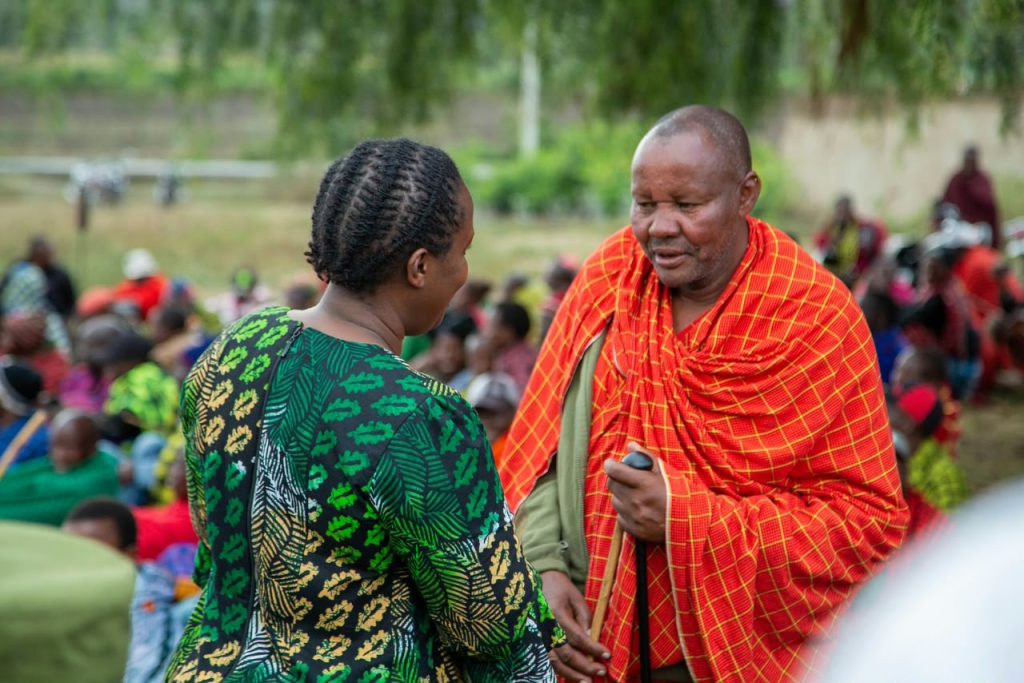
Arumeru DC: Intervenes to Restore Peace, Returns 52 Livestock
Summary
- Arumeru District Commissioner Neema Lugangira oversaw the return of 52 livestock to two Maasai communities.
- The livestock, comprising 26 cattle, 20 goats, and six sheep, was taken during a peace-breaking incident.
- The incident occurred between communities in the Kimnyaki and Lengijave wards of Arumeru District.
- The intervention aimed to restore calm and improve relations between the involved communities.
- Joint efforts led to the successful recovery and restitution of the animals.
DC Intervenes to Restore Peace in Arumeru
This direct intervention by the District Commissioner aimed to re-establish calm and mend strained relations between the communities residing in the Kimnyaki and Lengijave wards of Arusha’s Arumeru District.
Arumeru District Commissioner Neema Lugangira recently took decisive action to de-escalate tensions between two Maasai communities in the region, overseeing the return of 52 livestock that had been seized during a peace-breaking incident. This direct intervention by the District Commissioner aimed to re-establish calm and mend strained relations between the communities residing in the Kimnyaki and Lengijave wards of Arusha’s Arumeru District.
The restitution involved a specific count of animals: 26 cattle, 20 goats, and six sheep. The successful recovery and handover of these animals were the result of concerted efforts, indicating a collaborative approach to resolving the dispute. Commissioner Lugangira's presence and leadership in this process underscored the local administration's commitment to fostering harmony and stability within the district.
Background to the Incident
The catalyst for the District Commissioner's involvement was a specific peace-breaking incident that had disrupted the tranquility between the two Maasai communities. While the precise nature of the initial conflict is not detailed, its severity was significant enough to warrant high-level administrative intervention to prevent further escalation and to address the immediate fallout, which included the taking of livestock.
Such incidents can have profound and lasting impacts on community cohesion, particularly in societies where livestock plays a central role in economic and cultural life. The loss or seizure of animals can ignite deep-seated grievances, making the prompt and fair resolution of such disputes critical for maintaining social order and trust among community members.
Fostering Community Reconciliation
Beyond the immediate objective of returning the animals, Commissioner Lugangira's intervention carried a broader purpose: to restore overall calm and rebuild positive relations between the affected Maasai communities. The act of returning the livestock served as a tangible step towards reconciliation, addressing a key point of contention that had fueled the recent unrest.
This proactive approach by the Arumeru District Commissioner highlights the importance of local leadership in mediating disputes and ensuring that community grievances are addressed effectively. The successful resolution of this incident, marked by the return of the animals and the stated goal of restoring peace, sets a precedent for how similar challenges can be managed to promote long-term stability and cooperation within the district.
Source
How does this affect you?
Get an AI analysis of this article grounded in your jurisdictions, practice areas, and any policy documents you've uploaded to Wansom.
Wansom is AI and can make mistakes.